Late May 2026 Crypto Mining Market Update | BTC Holds $77K, Difficulty Falls 2.3%, Altcoin ASICs Lead ROI
⚠️ Disclaimer: Mining profitability fluctuates with electricity costs, cryptocurrency prices, and network difficulty. All figures below reflect conditions as of May 22, 2026. Electricity cost scenarios use $0.04, $0.07, $0.10, $0.12, and $0.15/kWh. Past performance does not indicate future results. Conduct your own due diligence before purchasing mining equipment.
Bitcoin is holding near $77,400 as May draws to a close — roughly 4% below the $81,000 level reached earlier this month. The pullback has been accompanied by a measured decline in network hashrate, from a peak of around 995 EH/s in mid-April to 959.4 EH/s today. The consequence: the upcoming difficulty adjustment is projected at −2.31%, a modest recalibration that slightly improves per-unit revenue for miners who remained operational through the correction.
Altcoin ASIC miners, meanwhile, have maintained returns that stand well above the Bitcoin sector. With ZEC at $673.24 and XMR at $403.94, Equihash (a proof-of-work algorithm optimized for ASIC mining) and RandomX (Monero’s memory-hard mining algorithm) hardware has been posting payback periods measured in months rather than the multi-year horizons typical of SHA-256 (Bitcoin’s hashing algorithm) equipment — based on current coin prices, which can change.
Market Snapshot: Key Numbers for May 22, 2026
| Asset | Price (USD) | Context |
|---|---|---|
| Bitcoin (BTC) | $77,438 | ~4% below May peak of ~$81K |
| Zcash (ZEC) | $673.24 | Up ~18% from early May ($573) |
| Monero (XMR) | $403.94 | Steady near recent highs |
| Litecoin (LTC) | $53.86 | Range-bound |
| Dogecoin (DOGE) | $0.1034 | Flat |
| Kaspa (KAS) | $0.0349 | Depressed; most ASIC models at negative margin |
| Ethereum Classic (ETC) | $8.98 | Weak; Etchash margins thin |
| BTC Network Metric | Value |
|---|---|
| Network Hashrate | 959.4 EH/s |
| Projected Difficulty Change | −2.31% |
| Block Reward | 3.125 BTC |
| Current Block Height | 950,432 |
| Blocks to Next Halving (~1,050,000) | ~99,568 (~690 days) |
Bitcoin Network: Hashrate Pulls Back from the April Peak
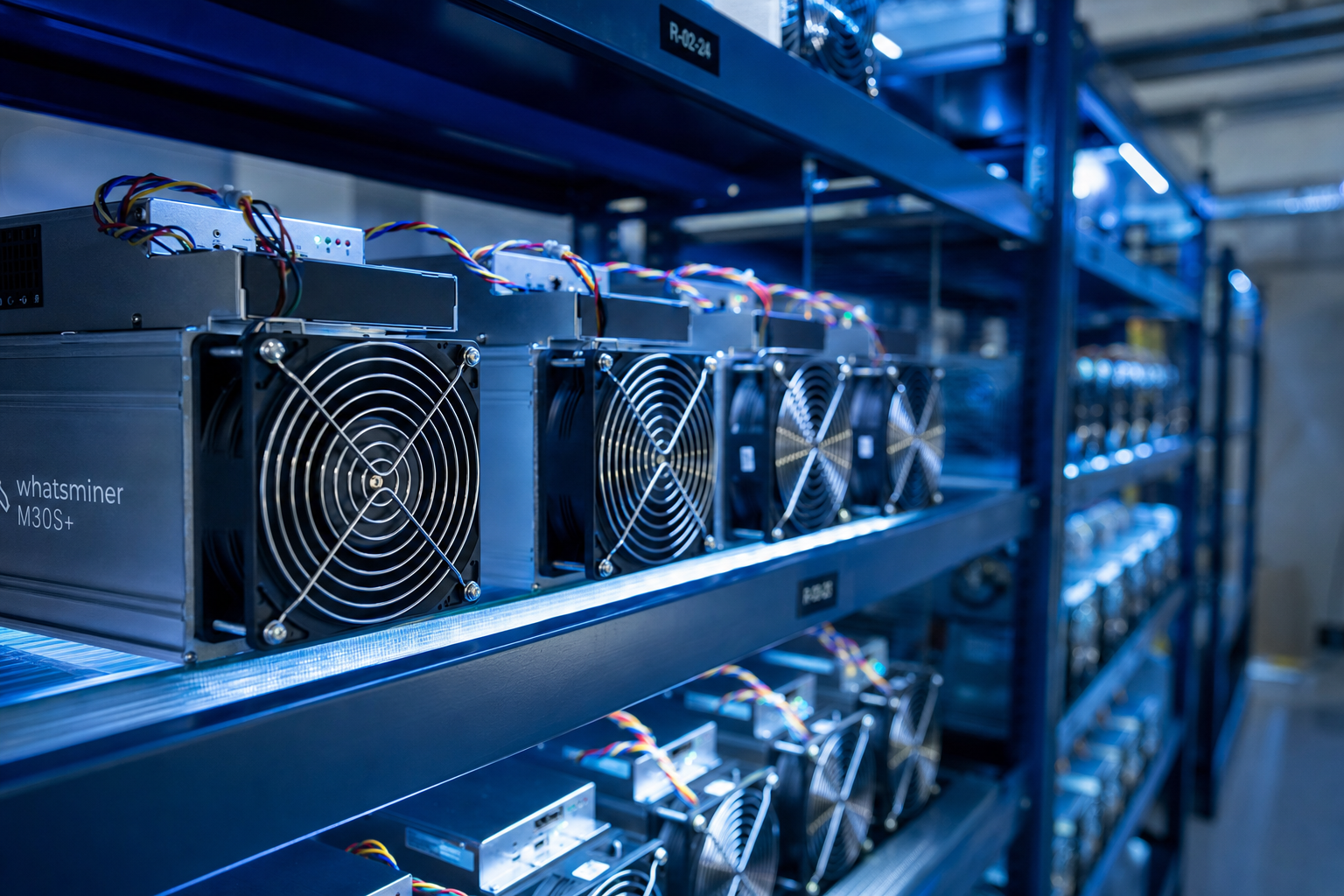
Bitcoin’s network hashrate reached approximately 995 EH/s in mid-April 2026, its highest level of the year. That peak compressed per-unit mining margins: more machines competed for the same 3.125 BTC block reward, and network difficulty was set accordingly. Since then, hashrate has retreated to 959.4 EH/s — roughly 3.6% below the peak.
Late-spring hashrate dips are not unusual. As ambient temperatures rise in major mining regions, cooling costs increase and some operators temporarily reduce output or switch off older, less efficient hardware. The combined effect on the current difficulty epoch has produced the pending −2.31% adjustment.
For miners who remained operational through the decline, the adjustment translates to higher revenue per terahash per day — a modest improvement that will persist until hashrate recovers and pushes difficulty upward again.
Halving Timeline Check
At block height 950,432, the network is approximately 99,568 blocks from the next halving at block 1,050,000. At an average of roughly six blocks per hour, that works out to approximately 690 days — placing the next reward reduction in late 2027 or early 2028. Hardware purchased today would operate through the next two halving cycles — though profitability throughout that period depends on BTC price and network difficulty, both of which can shift materially.
What the Difficulty Drop Means for SHA-256 Buyers
A negative difficulty adjustment does not make Bitcoin cheaper to mine in absolute terms — it recalibrates network-wide competition to reflect the reduced total hashrate. For individual miners, the practical effect is slightly higher daily revenue per terahash.
Whether that improvement is enough to change the economics of a Bitcoin ASIC purchase depends on electricity cost. The table below uses the Antminer S21 Pro+ 234T — a reasonably efficient air-cooled SHA-256 machine priced at $2,070 — as a reference point:
| Antminer S21 Pro+ 234T | SHA-256 | 3,510W | $2,070 | BTC $77,438 | |
|---|---|
| Electricity Rate | Net Daily Profit |
| $0.04/kWh | +$5.01 |
| $0.07/kWh | +$2.48 |
| $0.10/kWh | −$0.04 (breakeven) |
| $0.12/kWh | −$1.73 |
| $0.15/kWh | −$4.26 |
At $0.10/kWh — a rate available in many North American commercial and industrial contexts — this machine is at breakeven. At retail power rates of $0.12–0.15/kWh it operates at a daily loss. The difficulty drop improves these numbers marginally, but the structural constraint remains: SHA-256 profitability at current BTC prices is tightly coupled to electricity cost. Operations with access to sub-$0.07/kWh power are profitable; those on market rates are in a squeeze.
This is the context in which Equihash and RandomX hardware presents a different risk/return profile at today’s coin prices.
Altcoin Mining: ZEC and XMR Continue to Lead ROI
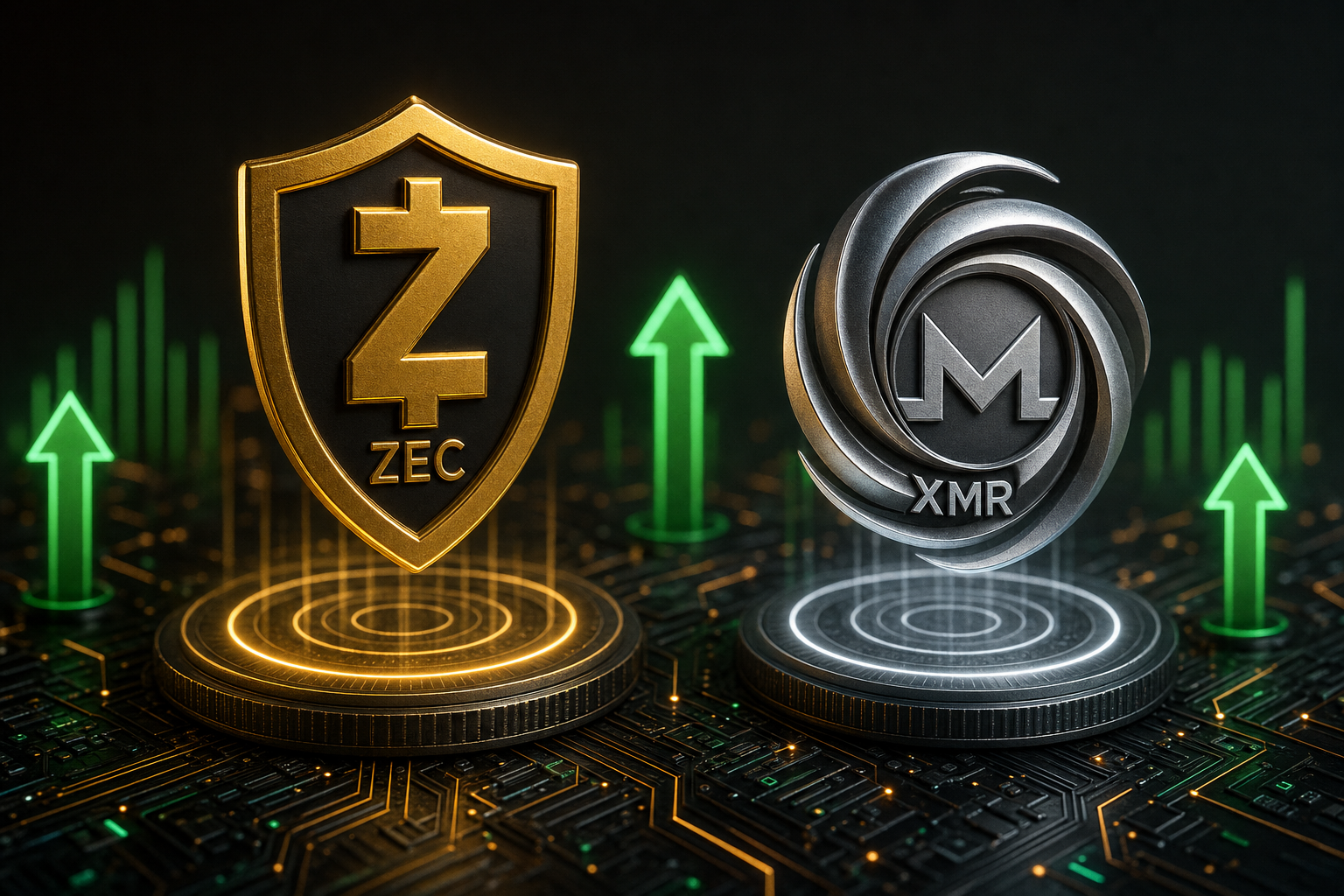
The clearest story in this week’s data is the divergence between altcoin ASIC returns and Bitcoin ASIC returns. With ZEC at $673.24 and XMR at $403.94, privacy-coin hardware has been generating income that translates to sub-8-month payback periods at mid-range electricity costs and current coin prices — conditions that can shift if prices retrace.
Zcash (ZEC): Equihash Mining at /Day Net
ZEC has climbed from $573 in early May to $673.24 today — a gain of roughly 17.5% in under three weeks. The direct effect on Equihash mining economics is substantial. The Antminer Z15 Pro (840 KSol/s, 2,780W) generates $52.22/day net at $0.07/kWh against a current price of $3,800 — a 2.4-month payback period. The Antminer Z15 standard (420 KSol/s, 1,510W) generates $25.91/day net at $0.07/kWh, with a 4.6-month payback at $3,600.
The Equihash algorithm is ASIC-optimized and both machines are mature, well-characterized hardware from Bitmain’s production line. The primary variable affecting these returns is ZEC price, which has historically been volatile. The current $673 level is elevated relative to ZEC’s multi-year price range.
Monero (XMR): Consistent Returns from RandomX
The Antminer X9 (1 MH/s, 2,472W) generates $24.12/day net at $0.07/kWh on Monero’s RandomX algorithm. At a current price of $5,600, the implied payback is 7.7 months. XMR at $403.94 is within range of multi-year resistance levels.
Monero’s monetary policy includes a tail emission — a small fixed block reward that continues indefinitely after the main supply schedule — which removes the halving-cycle compression that periodically affects BTC miner revenue. This structural characteristic makes XMR mining returns more predictable over multi-year hardware lifespans, though it does not insulate against price volatility.
ROI Comparison: Top Performers Across Five Electricity Rates (May 22, 2026)
All values in USD per day net of electricity. ROI calculated using current machine prices at $0.07/kWh. Coin prices as of May 22, 2026.
| Miner | Coin | Price | $0.04/kWh | $0.07/kWh | $0.10/kWh | $0.12/kWh | $0.15/kWh | ROI@$0.07 |
|---|---|---|---|---|---|---|---|---|
| Z15 Pro (840K Sol, 2780W) | ZEC | $3,800 | $54.22 | $52.22 | $50.22 | $48.88 | $46.88 | 2.4 mo |
| Z15 (420K Sol, 1510W) | ZEC | $3,600 | $27.00 | $25.91 | $24.83 | $24.10 | $23.01 | 4.6 mo |
| Antminer X9 (1MH, 2472W) | XMR | $5,600 | $25.91 | $24.12 | $22.35 | $21.16 | $19.38 | 7.7 mo |
| INIBOX PRO (2.4GH, 1280W) | INITVERSE | $7,999 | $18.74 | $17.82 | $16.90 | $16.28 | $15.36 | 15.0 mo |
| S21 Pro+ 234T (234T, 3510W) | BTC | $2,070 | $5.01 | $2.48 | −$0.04 | −$1.73 | −$4.26 | 27.8 mo |
Note: INITVERSE is a newer network with higher price volatility than BTC, ZEC, or XMR. The 15-month ROI figure assumes current INITVERSE prices hold, which carries more uncertainty than projections for established coins. Model your specific scenario using the BT-Miners profitability calculator.
A notable pattern in this table: the three Equihash and RandomX machines remain profitable across the entire $0.04–$0.15/kWh range. The S21 Pro+ crosses into loss territory at $0.10/kWh. At today’s coin prices, the altcoin machines show less sensitivity to electricity rate variation in these scenarios — a characteristic that reverses if ZEC or XMR prices fall significantly.
Kaspa and Lower-Tier Altcoin Miners: Difficult Conditions Persist
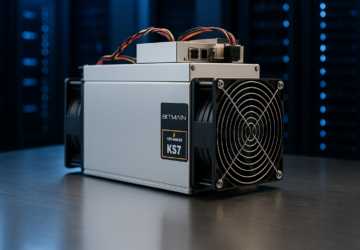
Kaspa (KAS) at $0.0349 continues to present challenging economics for most ASIC buyers. Of the two dozen KAS-mining models currently in the catalog, only the Antminer KS7 (36 TH/s, 2,772W) shows a clearly positive margin at $0.07/kWh, generating approximately $2.54/day net. The majority of models — including most IceRiver and Goldshell units — are producing losses at that rate given current KAS prices.
This is not a permanent assessment of Kaspa mining. A meaningful KAS price recovery would improve margins across the board. But buyers evaluating hardware today should run calculations against current KAS pricing rather than relying on projected appreciation before committing capital.
Ethereum Classic (ETC at $8.98) similarly produces modest returns. The Jasminer X44-P (23.4 GH/s Etchash, 2,550W) generates approximately $10.09/day net at $0.07/kWh against an $11,200 price — a 37-month payback that is significantly less competitive than the ZEC or XMR options above at current prices.
Signals to Watch Through June 2026
- BTC price vs. hashrate recovery sequence. If BTC climbs back above $80K while hashrate remains depressed, SHA-256 margins could improve. If hashrate recovers first and pushes difficulty upward before price moves, the adjustment benefit would be offset. Both outcomes are plausible and the sequencing is unpredictable.
- ZEC price sustainability. ZEC is up ~18% this month. Whether that level holds through June depends partly on broader altcoin sentiment. A retracement to $580 would reduce Z15 Pro daily net income by approximately $8–9/day and extend payback from 2.4 months to roughly 3.2 months.
- XMR network stability. Monero’s RandomX algorithm has been periodically updated in past years to maintain CPU competitiveness. No algorithm change is currently scheduled, but buyers with longer investment horizons should monitor Monero’s development channels.
- Summer electricity costs. Industrial power rates in Texas, Alberta, and parts of Southeast Asia tend to rise in July and August due to grid demand. Miners on variable-rate contracts should factor this into forward projections — particularly relevant for higher-wattage SHA-256 machines.
- Next halving horizon. With approximately 690 days until the next BTC halving, new SHA-256 hardware purchased today must generate enough profit in that window to justify the investment before the next reward reduction. That math currently favors operations with below-$0.07/kWh power.
Summary
The late-May 2026 snapshot reflects a split market. Bitcoin ASIC profitability is constrained for buyers without access to sub-$0.07/kWh electricity, and the pending −2.31% difficulty adjustment provides only modest relief. Altcoin ASICs — particularly the Antminer Z15 Pro and Z15 targeting ZEC, and the Antminer X9 targeting XMR — are generating returns that translate to payback periods of 2–8 months at current prices, remaining viable across a wide electricity cost spectrum.
For buyers currently evaluating options, the BT-Miners profitability calculator allows you to run scenarios against your specific electricity rate and live coin prices. Whether any of the above figures justify a purchase depends on conditions that change daily — the numbers above are a snapshot, not a guarantee.