Do Bitcoin Miners Hold BTC Longer Than Regular Crypto Traders? The HODL Mindset Explained
⚠️ Disclaimer: Mining profitability fluctuates with electricity costs, cryptocurrency prices, and network difficulty. This article contains market analysis and historical observations, not financial advice. Always conduct your own due diligence before purchasing mining equipment or making investment decisions.
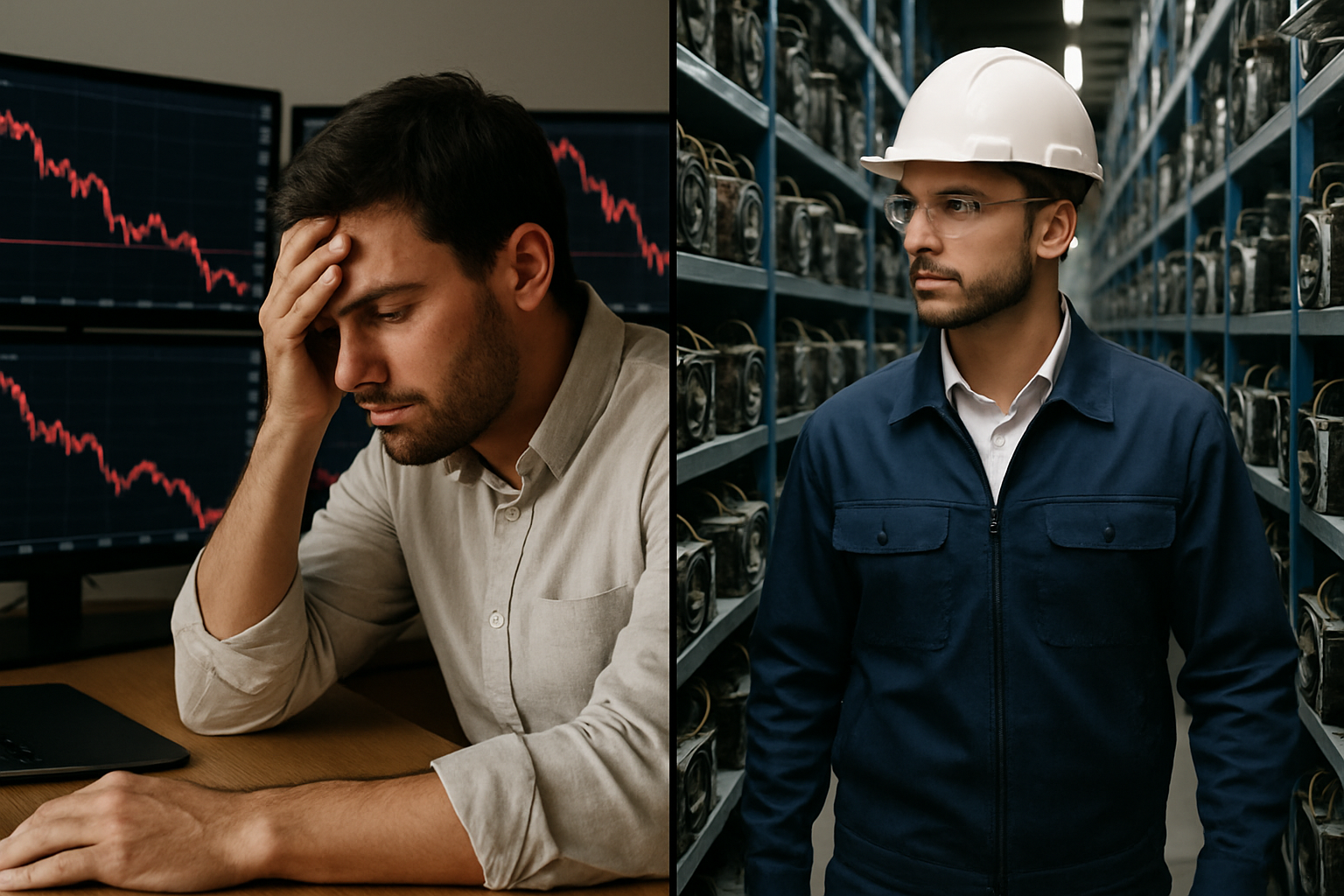
When Bitcoin dropped 77% from its 2021 peak to the 2022 low, something unusual happened: the network hashrate barely moved. Retail investors panic-sold on exchanges, billions in leveraged positions were liquidated — but professional miners kept their machines running and, in most cases, kept their coins off exchanges. The data tells a consistent story across every market cycle: Bitcoin miners hold BTC significantly longer than regular crypto traders. Understanding why reveals something fundamental about how mining economics shape long-term conviction — and what it means for your own strategy.
The Structural Difference: Commitment vs. Optionality
The average crypto trader holds Bitcoin with near-zero friction. They can sell in seconds, rotate to another asset, or exit the market entirely with a few taps on a phone. This optionality sounds like an advantage — but it creates a psychology of short-term thinking. When prices fall, the path of least resistance is to sell.
Bitcoin miners face a fundamentally different set of constraints:
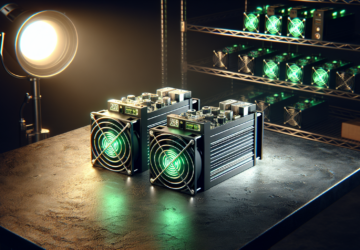
- Specialized, non-repurposable hardware. A Bitcoin ASIC like the Antminer S23 Hyd can only mine SHA-256 coins. It cannot be sold quickly in a bear market and has no alternative use. That $29,800 machine is effectively a one-way door into Bitcoin mining.
- Ongoing electricity obligations. Power contracts are typically signed for 1–3 years. The electricity cost runs every month regardless of whether BTC is at $30,000 or $100,000.
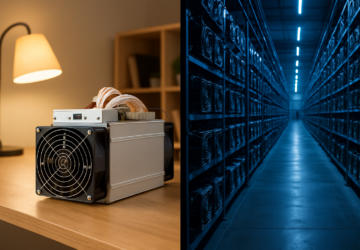
- Physical infrastructure capital. Cooling systems, rack space, facility leases, and electrical buildouts represent additional committed capital that cannot be quickly unwound.
Once a miner deploys this capital, the rational economic calculus shifts dramatically. Selling BTC at a depressed price doesn’t eliminate the hardware cost or stop the electricity bill — it just locks in the loss. The structure itself forces patience.
Cost Basis: The Number That Changes the Psychology
Every Bitcoin a miner produces carries a real cost basis — the sum of electricity, hardware depreciation, and operating overhead divided by coins produced. With BTC at $79,126 today, here is how the economics look for current-generation hardware:
| Miner Model | Hashrate | Power | Net Daily @$0.07/kWh | Hardware Price |
|---|---|---|---|---|
| Antminer S21e XP Hyd 860TH | 860 TH/s | 11,180W | $12.73/day | $11,500 |
| Antminer S23 Hyd 3U 1.16PH | 1,160 TH/s | 11,020W | $23.99/day | $29,800 |
Net daily figures calculated at $0.07/kWh electricity, BTC at $79,126 (2026-05-16). Gross daily: S21e XP $31.51/day; S23 Hyd 3U $42.51/day.
A miner running the S23 Hyd at $0.07/kWh generates approximately $8,756/year in net electricity-adjusted revenue. Amortizing the $29,800 hardware over 3 years adds roughly $27/day to the all-in cost, putting the effective BTC cost basis somewhere between $45,000 and $58,000 depending on when hardware was purchased and what power rate applies.
With BTC currently at $79,126, a miner who deployed capital in 2024 or early 2025 sits on meaningful unrealized gains. Selling at current prices makes sense on paper — but many miners do not. They treat mined BTC as a treasury asset, not a trade to exit. Knowing your exact cost basis creates the psychological clarity to hold through corrections that cause retail traders to panic. When you know you acquired coins at $46,000 effective cost, a drop to $65,000 feels very different than it does to a spot buyer who bought at $78,000.
Hashrate as a Conviction Signal
The most objective measure of miner sentiment is not what miners say — it is what they do with their machines. Bitcoin’s network hashrate reflects the aggregate capital commitment of all active miners globally. When miners turn bearish, they shut off machines and hashrate falls. When they are expanding, hashrate rises.
The hashrate signal has been remarkably consistent across market cycles:
- 2022 bear market: BTC fell 77% peak to trough. Hashrate declined roughly 25% from its high — but recovered within six months and pushed to new all-time highs through 2023. Miners absorbed the pain and continued building.
- April 2024 halving: The block reward was cut in half to 3.125 BTC per block (where it remains today at block height 949,602). Conventional wisdom predicted miner capitulation. Instead, hashrate kept climbing to new records.
- May 2026: With BTC at $79,126, global hashrate continues rising. Capital is still flowing into new mining hardware — the clearest possible signal of long-term conviction.
The hashrate does not lie. When miners stop believing in Bitcoin’s long-term trajectory, they turn off machines. Right now, they are turning them on. This stands in stark contrast to retail behavior, where a 15–20% price drop can trigger significant exchange inflows as traders exit positions.
What On-Chain Data Shows About Miner Selling Patterns
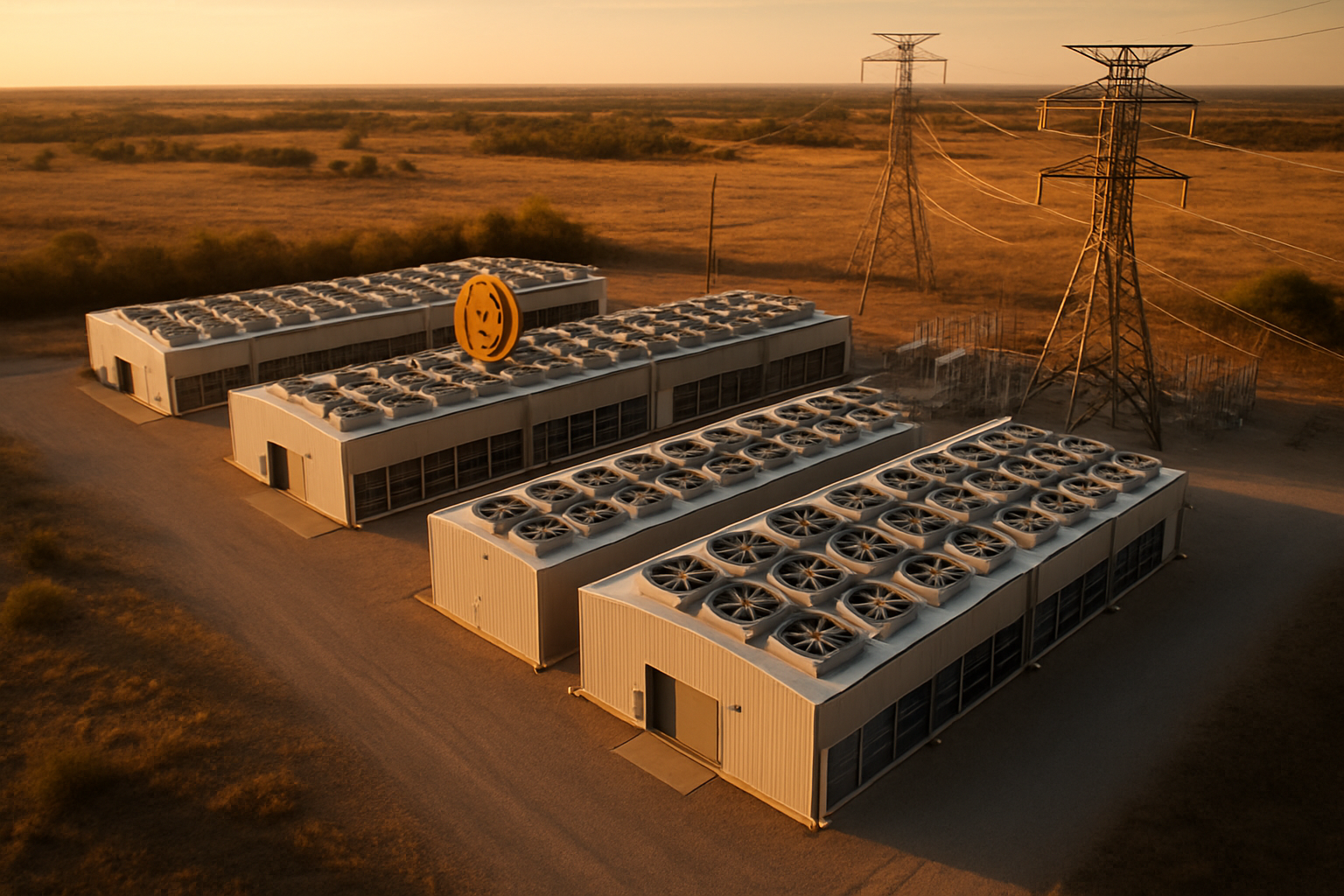
On-chain analytics firms have tracked miner wallet behavior across multiple cycles. Several patterns appear consistently:
- Miners sell at peaks, not dips. Miner-to-exchange flows tend to spike near local price tops, not bottoms. Miners strategically sell to fund hardware expansion — not to exit the asset class.
- Miner Net Position Change stays positive in most months. During normal market conditions, miners accumulate more BTC than they sell. The net position of identified miner wallets has grown consistently across most market phases since 2020.
- Bear market selling is selective and subdued. During sharp corrections, retail exchange inflows surge. Miner outflows typically remain flat or decrease — miners with healthy cost bases have no rational financial incentive to sell into temporary weakness.
This pattern is rational, not sentimental. A miner with a $48,000 BTC cost basis has no financial incentive to sell at $60,000 just because the price dropped from $85,000. Their horizon is structurally long — and the data reflects it across every cycle we have observed.
How Electricity Cost Determines Your HODL Flexibility
Not all miners have the same holding power. Electricity cost is the critical variable that determines whether a miner can sustain operations through a downturn — and therefore afford to hold — or is forced to sell coins to cover ongoing bills. Here is how daily net profit changes across electricity rates for the top BTC miners at current prices (BTC $79,126, 2026-05-16):
| Electricity Rate | S21e XP Hyd 860TH Net/Day | S23 Hyd 3U 1.16PH Net/Day |
|---|---|---|
| $0.04/kWh | $20.78/day | $31.93/day |
| $0.07/kWh | $12.73/day | $23.99/day |
| $0.10/kWh | $4.68/day | $16.06/day |
| $0.12/kWh | -$0.69/day | $10.77/day |
| $0.15/kWh | -$8.74/day | $2.84/day |
Net = gross daily revenue minus electricity cost only. Gross: S21e XP $31.51/day; S23 Hyd 3U $42.51/day. Hardware amortization not included. Power consumption: S21e XP 11,180W; S23 Hyd 3U 11,020W.
The implication is direct: a miner at $0.04/kWh — common in parts of the Middle East, Central Asia, and certain US states with stranded or industrial energy — can sustain operations and hold their BTC through a far steeper price decline than a miner paying $0.12/kWh. Cheap power is not just a profitability advantage. It is a HODL advantage. It provides the runway to wait out bear markets without being forced to liquidate at the worst time.
Miners who cannot make BTC mining work at their electricity rate increasingly look to alternative coins with faster ROI profiles. Our real-time mining profitability calculator shows that the Antminer Z15 Pro generates $39.76/day net at $0.07/kWh mining ZEC — delivering a sub-4-month ROI that gives miners the flexibility to hold mined coins without stress, because hardware costs are recovered quickly.
How Institutional Miners Formalized the HODL Playbook
The HODL tendency among miners has intensified with the rise of publicly traded mining companies. These firms have formalized what individual miners do instinctively: treat mined BTC as a balance sheet reserve asset, not immediate revenue to be liquidated.
The institutional shift has measurable effects on BTC supply dynamics:
- A growing share of newly mined BTC flows directly into corporate treasuries rather than exchanges, structurally reducing sell pressure from the mining sector.
- Institutional miners use equity raises and debt facilities to fund operating expenses — eliminating the need to sell mined coins to cover electricity bills.
- The competitive bar has risen: smaller miners who must sell coins to operate are at a growing structural disadvantage versus those who can accumulate.
For individual miners and small operations, this signals an important reality: the mining landscape now includes well-capitalized, multi-year-horizon holders who are structurally committed to BTC accumulation. Competing with them effectively requires either a power cost advantage or a similarly long-horizon mindset — ideally both.
What This Means for Your Mining Strategy in 2026
The miner HODL tendency is not just an interesting behavioral observation — it has concrete implications for anyone evaluating ASIC mining as an investment:
- Define your selling plan before you buy hardware. The structural pressure toward holding is strong, but you should deliberately decide whether your goal is BTC accumulation or USD cash flow. Different goals require different hardware and electricity setups.
- Electricity cost determines your holding flexibility. At $0.07/kWh on the S23 Hyd, you can sustain operations through a 40% BTC price drop and still be profitable. At $0.12/kWh on an older, less efficient miner, a 30% price drop can push you into loss-making territory — forcing the exact forced-selling behavior you are trying to avoid.
- Shorter ROI cycles create the most holding freedom. Miners who recover hardware costs in 3–6 months have far more latitude in holding decisions. Once hardware is paid off, every coin mined afterward is purely discretionary. That psychological freedom to hold — rather than sell to recoup sunk costs — is enormously valuable in volatile markets.
This is one reason fast-ROI miners like the Antminer Z15 Pro (ZEC, ~3.1 month ROI at $3,700 street price) attract operators who want to mine with conviction rather than desperation. When hardware pays for itself in a single quarter, HODL becomes a genuine choice — not a financial necessity masked as belief.
Use our live mining profitability calculator to model different scenarios at your electricity rate and target miner. The output tells you exactly what holding power you would have at various BTC price levels — before you commit capital to hardware.
Conclusion
Bitcoin miners hold BTC longer than retail traders because the structure demands it and rewards it. Sunk hardware costs, ongoing electricity obligations, and a clear cost basis together create a natural long-horizon holder. The hashrate data confirms what on-chain analytics show: miners are not just saying they believe in Bitcoin’s long-term value — they are putting hundreds of millions of dollars of specialized, non-repurposable hardware on the line to prove it.
With BTC at $79,126, block reward at 3.125 BTC, and global hashrate still expanding, the aggregate miner signal is clear: long-term conviction remains intact. If you want to build that same structural discipline into your own crypto strategy, ASIC mining is one of the most direct paths — because the machine in your facility makes the decision to hold for you.
Ready to mine with conviction? Browse our full ASIC miner inventory at BT-Miners — from efficient BTC miners to fast-ROI ZEC and XMR machines — and use the profitability calculator to find the right fit for your electricity rate and investment horizon.