Bitcoin Is Back Above 80K: What the May 2026 Rally Means for ASIC Miners
Bitcoin is back above 80,000 dollars, and that matters for miners far beyond headline price excitement. In early May 2026, BTC reclaimed the 80K area as spot ETF inflows accelerated, public miners reported solid April output, and the network saw a second straight difficulty reduction. For ASIC buyers, this combination matters because it improves sentiment, supports hashprice, and changes the conversation from short-term survival to fleet efficiency and upgrade timing.
The bigger takeaway is not simply that Bitcoin rallied. It is that the structure behind the move looks more durable than a random bounce. Institutional demand has been absorbing supply, listed miners are still scaling efficient fleets, and lower network difficulty has offered some short-term relief after a difficult stretch for older machines.
For readers comparing hardware now, the practical question is simple: if Bitcoin is stabilizing above 80K, which ASIC miners are best positioned to benefit, and how should buyers think about efficiency, power cost, and upgrade timing?
Why Bitcoin Is Rising Again In May 2026
Several data points aligned at once. On May 6, Cointelegraph reported that US spot Bitcoin ETFs took in almost 1 billion dollars over two trading days, including 467.4 million dollars on Tuesday after 532 million dollars on Monday. The same report said cumulative inflows since May 1 reached 1.63 billion dollars, showing that demand remained firm even after months of volatility.
That demand coincided with a clean move back above the 80K level. Cointelegraph reported on May 4 that Bitcoin reached a 13-week high around 80,610 dollars, with traders starting to focus on the CME gap near 84K as the next major level. This matters because large inflows and a technical breakout together tend to attract both momentum traders and longer-term capital.
For miners, a stronger Bitcoin price does not guarantee easy profits, but it usually improves the operating backdrop quickly. When BTC rises while newer machines remain efficient, the gap between top-tier hardware and legacy equipment becomes even more important.
1. Spot ETF Inflows Are Absorbing Supply
The clearest bullish driver behind this move is continued ETF demand. According to Cointelegraph on May 6, spot Bitcoin ETFs pulled in nearly 1 billion dollars over two days and 1.63 billion dollars since May 1. That is meaningful because newly mined Bitcoin is only a small fraction of that capital flow.
When institutions absorb supply at that pace, they reduce the market impact of miner selling and can create a more supportive environment for BTC price. For mining operators, that matters because stronger market absorption improves treasury flexibility. Miners do not need to rely as heavily on distressed selling if price conditions improve.
This does not remove volatility. But it does help explain why the latest rally has felt stronger than a typical short squeeze.
2. Public Miners Are Still Scaling Efficient Hashrate
The second reason this rally matters is that large public miners are still executing. In its April 2026 operational update published on May 6, CleanSpark said it produced 640 Bitcoin in April, averaged over 21 BTC per day, and operated at 50.0 EH per second, with peak fleet efficiency of 16.07 J per terahash. Those numbers show that efficient large-scale miners are still expanding and optimizing rather than retreating.
That point is important for hardware buyers. In weak markets, inefficient fleets are pressured first. In stronger markets, the advantage shifts back toward operators that already upgraded into high-performance machines and low-cost power environments. The current setup therefore rewards efficiency, not just raw hashrate.
It also explains why buyer attention is returning to premium SHA-256 hardware. When BTC recovers, the best-positioned miners are often the ones that can convert upside into real margin because their joules-per-terahash profile is already strong.
3. Lower Difficulty Is Offering Short-Term Relief

The third part of the story is network difficulty. On May 3, Bitcoin.com News reported that Bitcoin difficulty fell 2.3 percent on May 1, marking the second consecutive reduction, while network hashrate drifted below 1 zettahash per second. The report also noted hashprice around 37.52 dollars per PH per day and block times around 10 minutes and 28 seconds.
For miners, a difficulty decline during a price recovery is about as constructive a short-term combination as you can ask for. Revenue conditions do not become easy overnight, but the pressure on margins eases at the same time that market sentiment improves. That is especially relevant for operators deciding whether to keep older machines online a little longer or accelerate replacement plans.
The key point is that not every machine benefits equally. Relief on difficulty helps everyone, but the most efficient hardware still captures the best economics when price and difficulty move in your favor together.
What This Means For ASIC Miner Buyers Right Now
If you are shopping for hardware now, this rally does not mean you should buy blindly. It does mean the market backdrop is better for serious evaluation than it was when Bitcoin was under heavier pressure. Buyers should still focus on four practical variables: power cost, cooling setup, capital budget, and machine efficiency.
Beyond hardware selection, some miners may also want to compare Bitcoin mining hosting options as part of the overall ROI equation. For operators looking at stable power and operating conditions, reviewing miner hosting in Norway may also be worth considering.
The quickest way to compare current options is the BT-Miners Bitcoin miner collection, which gives a live view of available SHA-256 units across price and performance tiers. That is the best starting point if you are weighing a new deployment, replacing older S19-era equipment, or comparing hydro and air-cooled machines.
For research before purchase, our guide on the most energy-efficient Bitcoin miners in 2026 is especially relevant right now because profitability remains highly sensitive to efficiency, even with BTC back above 80K.
Which Bitcoin Miners Stand Out In This Market
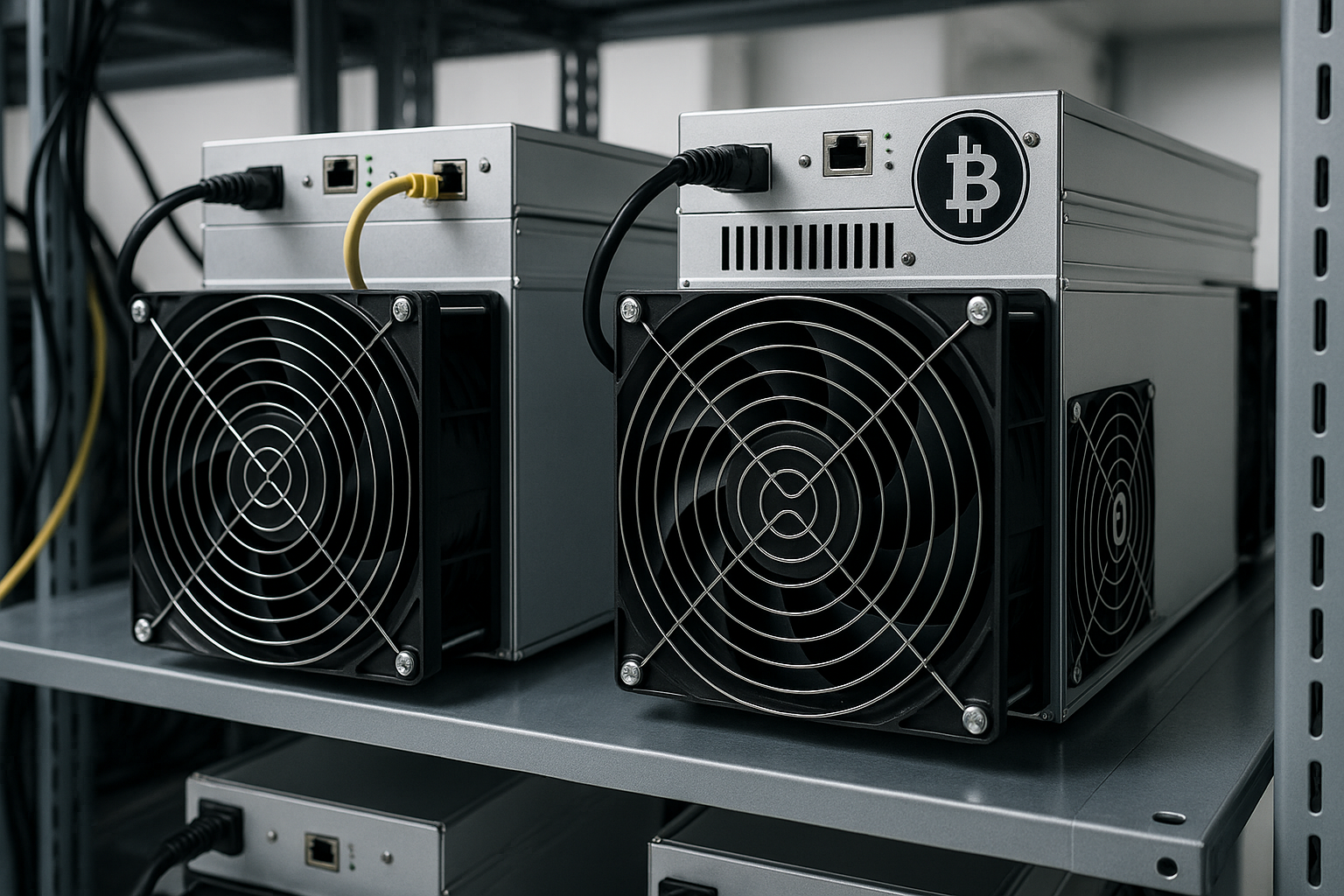
Two machines stand out for different reasons. The Bitmain Antminer S21 XP remains one of the most practical high-efficiency air-cooled options available through BT-Miners. The current BT-Miners product page lists it at 270 TH per second, 3645W, and 13.5 J per terahash, which is a strong profile for buyers who want high performance without stepping into hydro or immersion infrastructure.
For larger or more advanced operations, the Bitmain Antminer S23 Hyd is one of the flagship choices in the current cycle. BT-Miners lists it at 580 TH per second and 9.5 J per terahash, making it one of the most efficient SHA-256 miners on the site today. That type of efficiency becomes especially attractive when the market is recovering but miners still need to protect long-term operating margin.
The best choice depends on site conditions. Air-cooled units are easier to deploy for many buyers, while hydro systems can make more sense for industrial farms optimizing density, noise, and thermal control.
FAQ: Bitcoin Rally And ASIC Miner Buying
Why is Bitcoin back above 80K in May 2026?
The latest move appears to be driven by strong spot ETF inflows, improving trader sentiment, and renewed momentum above the 80K level. Public miner updates and lower difficulty have also helped improve the mining narrative around Bitcoin.
Does a Bitcoin rally immediately make mining profitable again?
Not always. Profitability still depends on electricity cost, machine efficiency, Bitcoin mining hosting terms, and network difficulty. A BTC rally improves conditions, but older inefficient rigs can still struggle.
Which BT-Miners machines fit this market best?
For many buyers, the Bitmain Antminer S21 XP is a strong air-cooled option, while the Bitmain Antminer S23 Hyd is a higher-end hydro choice for scale-focused deployments. The full Bitcoin miner collection is the best place to compare live options.
Should buyers upgrade legacy miners now?
If your power rate is not highly competitive, moving from older-generation machines into more efficient hardware can make sense, especially if you expect Bitcoin to hold stronger levels and difficulty to stabilize. The right decision depends on ROI, not price alone.
Bottom Line
Bitcoin moving back above 80K in May 2026 is more than a price headline. It reflects stronger ETF demand, resilient execution from large miners, and a short-term easing in network difficulty. For ASIC buyers, the signal is constructive but selective: capital should flow toward efficient SHA-256 hardware, not just any machine that can still hash.
If BTC stays firm and miner economics keep improving, this recovery phase could reward operators who upgrade intelligently instead of chasing hashrate for its own sake.
Disclaimer: This article is for informational purposes only and does not constitute investment advice.
Sources
- Cointelegraph: Bitcoin ETFs add nearly 1B dollars as BTC surges past 80K
- Cointelegraph: Bitcoin in disbelief rally as traders spot 84K BTC price target
- Nasdaq: CleanSpark Releases April 2026 Operational Update
- Bitcoin.com News: Bitcoin Difficulty Falls 2.3 percent as Hashrate Slips Below 1 ZH per second