Bitcoin Falls to $62K as Mining Difficulty Crashes 21%: What June 2026’s Sell-Off Means for ASIC Miner ROI
⚠️ Disclaimer: Mining profitability fluctuates with electricity costs, cryptocurrency prices, and network difficulty. All figures in this article reflect conditions as of June 10, 2026, based on BT-Miners’ live profitability data. Past performance does not indicate future results. Conduct your own due diligence before purchasing mining equipment.
Bitcoin has dropped from roughly $73,000 to $62,744 over the past two weeks, while the network just posted a -21.39% difficulty adjustment — one of the sharpest single drops recorded in 2026. Two large, opposing forces hit the market at once: a price decline that cuts into miner revenue, and a difficulty drop that increases the BTC each machine earns per unit of hashrate. (Difficulty is a measure of how hard it is to find a new block — it adjusts roughly every two weeks so that blocks keep arriving about every 10 minutes; hashrate is the total computing power pointed at the network.) The net result is more nuanced than either headline alone suggests, and it plays out differently depending on which coin a miner is pointed at.
Table of Contents
- What Happened This Week in Crypto Mining
- The Math Behind a 21% Difficulty Drop
- Zcash Miners: Z15 Pro Holds Up Despite ZEC’s Slide
- Monero: The X9 Picture at $315
- Why the Next Difficulty Adjustment Could Erase This Window
- What This Means for Buyers Right Now
What Happened This Week in Crypto Mining
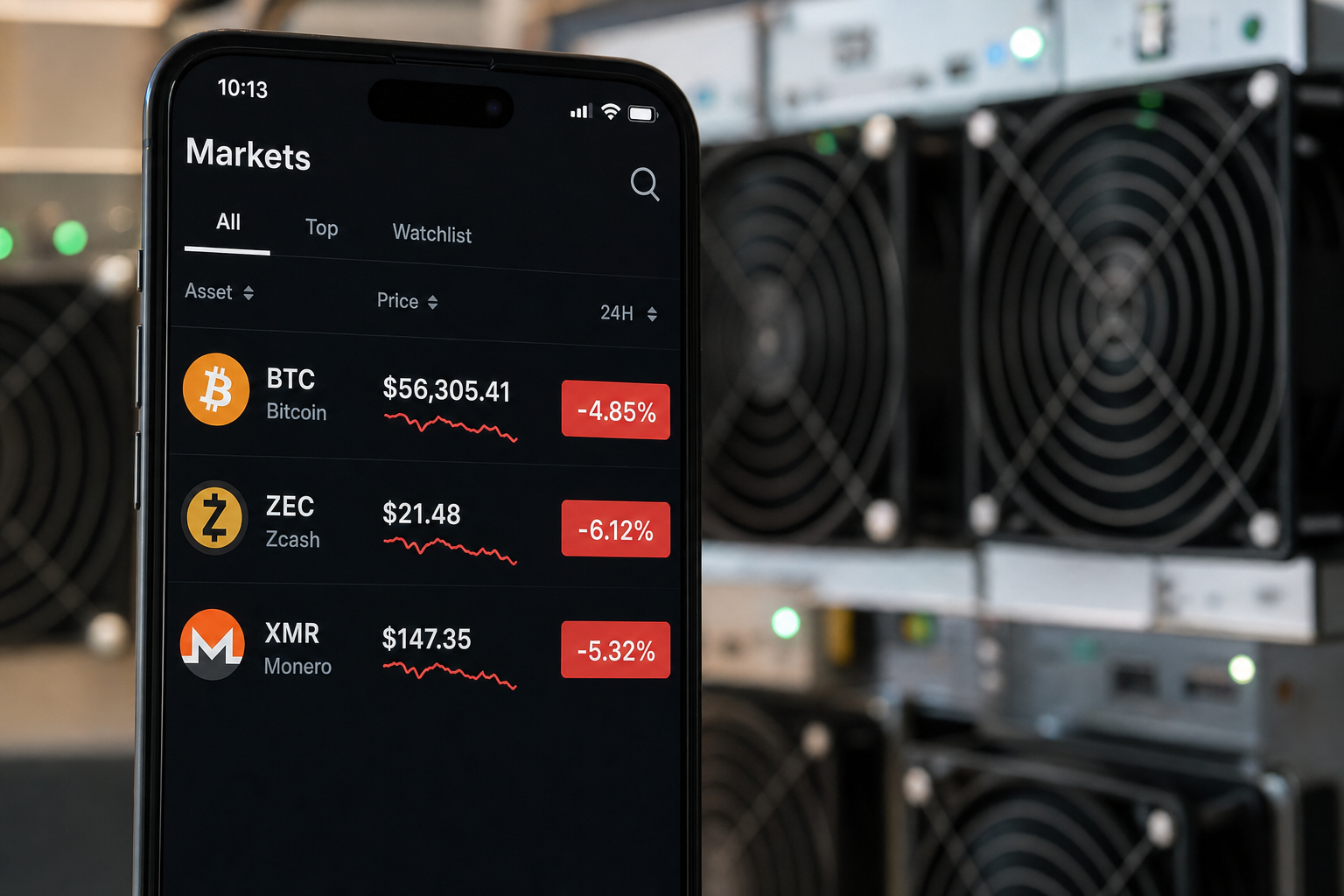
The headline number is the Bitcoin network’s -21.39% difficulty adjustment, which brought network hashrate down to roughly 855 EH/s from 918 EH/s just a week earlier. Difficulty drops of this size are usually a sign that a meaningful slice of the network’s least-efficient hardware went offline — older rigs that were barely breaking even got switched off once margins compressed further during the price decline.
At the same time, Bitcoin’s price slid from about $73,000 (covered in our early-June outlook) to $62,744 today, a decline of roughly 14%. Altcoins mined by ASIC hardware moved even more sharply: ZEC fell from $673 in late May to $446.99 today, a drop of about 34%, and XMR is currently sitting at $314.98.
Put together, this is one of the more volatile two-week stretches of 2026 for ASIC mining economics — and it’s a useful case study in why “BTC price down” doesn’t automatically mean “miner profitability down.”
The Math Behind a 21% Difficulty Drop
Difficulty and revenue per terahash move in roughly inverse proportion. A -21.39% difficulty drop means each TH/s of hashrate now earns about 1 ÷ (1 − 0.2139) ≈ 1.27x as much BTC as it did before the adjustment — a roughly 27% increase in coins earned per TH.
Meanwhile, BTC’s price fell about 14% (from $73,000 to $62,744), which is a multiplier of roughly 0.86 on the dollar value of each coin earned.
Multiply the two effects together: 1.27 × 0.86 ≈ 1.09. In other words, the gross USD revenue per TH/s for Bitcoin miners is up roughly 9% compared to two weeks ago — even though the BTC price itself fell. The difficulty drop more than offset the price decline, at least for now.
That 9% gain sounds like good news, but electricity costs didn’t change. For miners already operating on thin margins, a 9% revenue bump can be the difference between “barely profitable” and “barely unprofitable” — but it rarely turns a money-losing machine into a fast payback. The table below uses live data for the Antminer S21 Pro (234 TH/s, air-cooled), currently $2,070, to illustrate.
Antminer S21 Pro — ROI at Different Electricity Rates (June 10, 2026)
| Electricity Rate | Net Daily Profit | Payback Period |
|---|---|---|
| $0.04/kWh | $3.32 | ~20.8 months |
| $0.07/kWh | $0.79 | ~87.3 months |
| $0.10/kWh | -$1.73 | Does not pay back |
| $0.12/kWh | -$3.42 | Does not pay back |
| $0.15/kWh | -$5.95 | Does not pay back |
Note: Gross daily income for the S21 Pro is $6.69 at current BTC price and difficulty. At $0.07/kWh the unit is technically profitable but on a payback timeline of over seven years — a reminder that even a 9% revenue improvement doesn’t transform an aging or mid-tier ASIC into a strong investment. Model your own electricity rate using the BT-Miners profitability calculator.
For context, the older Antminer S21+ ($1,600, 216 TH/s) is currently showing a 280-month payback at $0.07/kWh — effectively never. The lesson from this difficulty drop isn’t “all BTC miners just got better.” It’s that the gap between efficient and inefficient hardware widened, because the same percentage revenue bump matters far more to a machine that was already close to breakeven.
Zcash Miners: Z15 Pro Holds Up Despite ZEC’s Slide
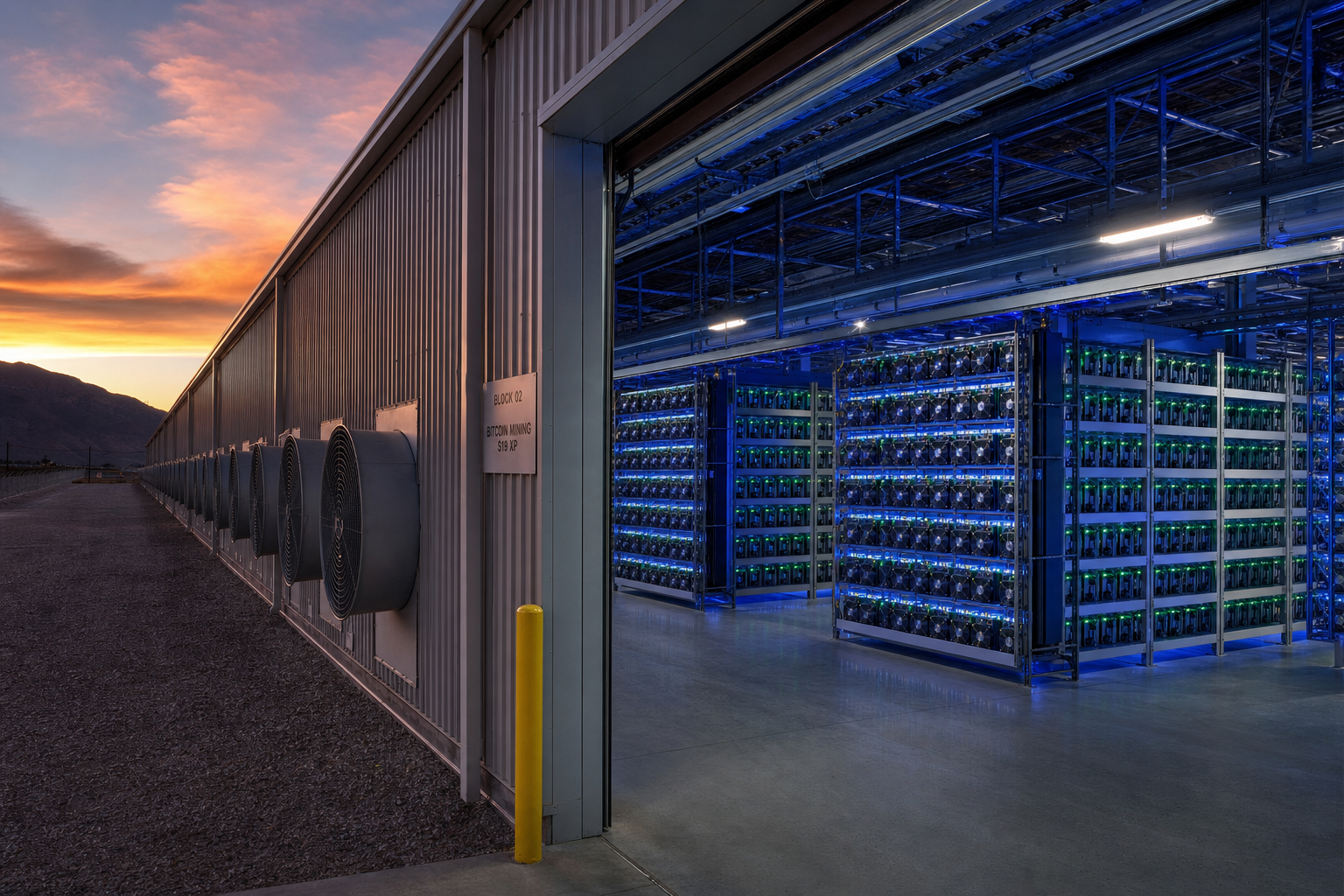
ZEC’s drop from $673 to $446.99 — about 34% — is the steepest move of the past two weeks among the coins covered here. If Equihash difficulty had stayed flat, a drop of that size would hit Zcash miner revenue almost dollar-for-dollar. But it hasn’t worked out that way for the highest-end hardware.
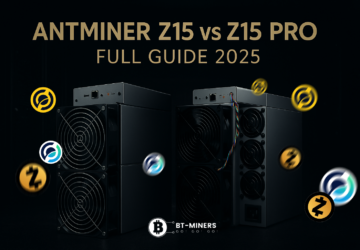
The Antminer Z15 Pro (840 KSol/s, currently priced at $4,600) is still showing $33.41/day in gross income and a 5.3-month payback at $0.07/kWh — a figure that has changed little despite ZEC’s pullback. The likely explanation is that Equihash (the proof-of-work algorithm Zcash uses) network difficulty has eased alongside the price decline, partially rebalancing the equation for machines that are still actively mining. This is the same dynamic seen on the Bitcoin side, just playing out on a different algorithm and timeline.
Antminer Z15 Pro — ROI at Different Electricity Rates (June 10, 2026)
| Electricity Rate | Net Daily Profit | Payback Period |
|---|---|---|
| $0.04/kWh | $30.74 | ~5.0 months |
| $0.07/kWh | $28.74 | ~5.3 months |
| $0.10/kWh | $26.74 | ~5.7 months |
| $0.12/kWh | $25.40 | ~6.0 months |
| $0.15/kWh | $23.40 | ~6.6 months |
Note: These figures assume ZEC at $446.99 and current Equihash network difficulty as of June 10, 2026. ZEC has been one of the more volatile assets this year — a further price decline would compress these numbers, while a rebound would improve them. Run your own scenario with the profitability calculator before assuming these numbers hold for the long term.
The takeaway isn’t that ZEC mining is immune to price drops — a 34% price decline is significant by any measure. It’s that high-hashrate, recently released hardware can absorb a price shock that would be devastating for older or less efficient machines, because difficulty adjustments on smaller networks tend to follow price more quickly and more dramatically than Bitcoin’s.
Monero: The X9 Picture at 5
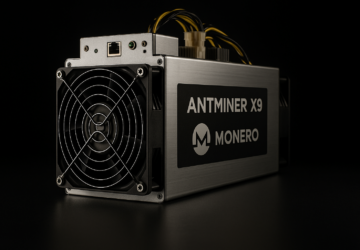
XMR is currently trading at $314.98. The Antminer X9 (1 MH/s RandomX — the algorithm Monero uses, designed to resist specialized hardware more than most) is showing $24.06/day gross and a 9.4-month payback at $0.07/kWh — a longer payback than the Z15 Pro’s, though still considerably faster than the BTC miners discussed above.
Antminer X9 — ROI at Different Electricity Rates (June 10, 2026)
| Electricity Rate | Net Daily Profit | Payback Period |
|---|---|---|
| $0.04/kWh | $21.69 | ~8.6 months |
| $0.07/kWh | $19.91 | ~9.4 months |
| $0.10/kWh | $18.13 | ~10.3 months |
| $0.12/kWh | $16.94 | ~11.0 months |
| $0.15/kWh | $15.16 | ~12.3 months |
Note: The X9 draws 2,472W, so electricity rate has a meaningful effect on payback — moving from $0.04 to $0.15/kWh adds nearly 4 months to the breakeven timeline. Monero’s RandomX algorithm is also CPU-mineable, which keeps a baseline of distributed hashrate on the network regardless of ASIC economics; this is one reason XMR difficulty tends to be less reactive to ASIC price swings than smaller coins like ZEC.
Why the Next Difficulty Adjustment Could Erase This Window
One number in this week’s data is worth flagging on its own: BT-Miners’ network data currently projects the next Bitcoin difficulty adjustment at roughly +65.1% — a swing in the opposite direction, and a much larger one than the -21.39% drop that just happened.
This figure is an estimate, not a locked-in value. Difficulty adjustments are calculated every 2,016 blocks based on how quickly those blocks were actually found relative to the 10-minute target, and the projection extrapolates from the average block time observed so far in the current epoch — with 703 blocks remaining, that estimate has plenty of room to move before it’s finalized. A large projected increase like this typically means hashrate has started coming back online faster than blocks are being produced, possibly because some of the miners that powered down during the price crash are switching back on, betting that the post-adjustment economics (the 9% revenue bump described above) make it worthwhile again.
If the adjustment lands anywhere close to its current projection, it would roughly reverse the gains described in this article. The S21 Pro’s $0.79/day net profit at $0.07/kWh would likely turn negative again. Even if the final number comes in lower, the direction is the relevant signal: this is a useful reminder that difficulty-driven profitability windows for Bitcoin ASICs are often short-lived, and conditions are unlikely to stay this favorable for long.
What This Means for Buyers Right Now
A few practical takeaways from this week’s data:
- The difficulty drop helped efficient hardware more than inefficient hardware. A 9% revenue increase barely moves the needle on a machine with an 87-month payback, but it can be meaningful for hardware that was already close to a reasonable ROI.
- Altcoin ASICs (Z15 Pro, X9) currently show stronger paybacks than mainstream BTC hardware (S21 Pro, S21+), even after ZEC’s 34% price decline. This isn’t a permanent state of affairs — altcoin prices and difficulty can move quickly in either direction — but it’s the picture as of today’s data.
- Don’t anchor decisions to a single week’s numbers. The projected +65.1% next difficulty adjustment is a clear signal that the current BTC mining environment may not persist. If you’re evaluating a Bitcoin ASIC purchase, model your decision across a range of difficulty and price scenarios, not just today’s snapshot.
- Electricity rate remains the single biggest lever you control. Across every miner in this article, the difference between $0.04/kWh and $0.15/kWh power was worth 1.5–4 months of payback time or more.
- None of the figures above account for risks beyond price and difficulty. Hardware depreciates and can become technologically obsolete well before a multi-year payback completes, and mining regulations vary by jurisdiction and can change. These factors don’t show up in a daily-profit table but matter over the life of the equipment.
Use the BT-Miners profitability calculator to model your own electricity rate and compare current listings for the Antminer Z15 Pro, Antminer X9, and Antminer S21 Pro before making a purchase decision. Given how quickly conditions have shifted over the past two weeks, it’s worth checking these numbers again before committing.