ZEC Mining in 2026: When Equihash ASICs Make Sense for Miners
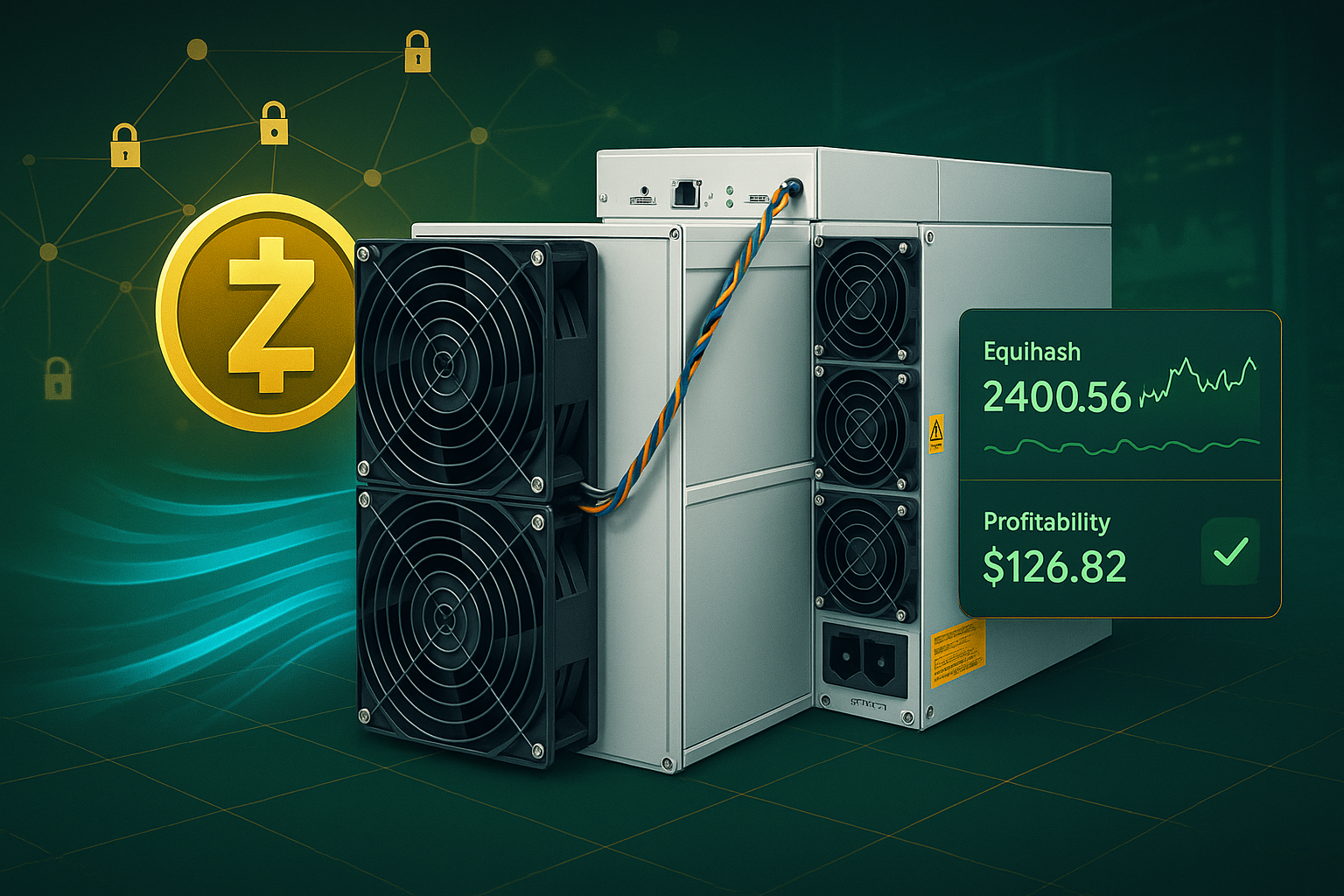
Data note: This article was prepared on June 3, 2026 after reviewing public Zcash, ZEC mining difficulty, pool distribution, and profitability references. Mining profitability changes quickly, so use live calculator data before buying hardware.
ZEC mining in 2026 deserves a fresh look because many miners are comparing alt-coin ASICs against tighter Bitcoin hashprice conditions. When SHA-256 margins compress, Equihash miners such as the Antminer Z15 Pro and Antminer Z15 can become attractive for buyers who want exposure to a separate proof-of-work network instead of adding more Bitcoin-only hashrate.
The key point is not that ZEC is automatically more profitable than BTC. The key point is diversification. ZEC mining follows its own coin price, difficulty curve, pool structure, and ASIC market. That makes it worth modeling separately, especially for buyers who already track Bitcoin miners but want another revenue stream.
Why ZEC Mining Is A Separate Decision From Bitcoin Mining
Bitcoin miners compete on SHA-256. Zcash miners compete on Equihash. That difference matters because the same market event does not move both mining models in the same way. A Bitcoin difficulty adjustment does not change ZEC difficulty, and a Bitcoin hashprice decline does not directly reduce ZEC block rewards.
Zcash is built around privacy-focused digital cash, as described by the Zcash project overview. For miners, the operational takeaway is simpler: ZEC is a proof-of-work coin with a dedicated ASIC market, live pool competition, and its own mining economics. That makes it a useful comparison point when Bitcoin ASIC payback periods stretch.
The Current ZEC Mining Setup To Watch
Before buying a ZEC miner, check three live variables: ZEC price, Equihash network difficulty, and pool distribution. Public references such as MiningPoolStats Zcash pool data, CoinWarz Zcash difficulty chart, and WhatToMine ZEC Equihash profitability page are useful starting points because they show whether the network is becoming more competitive and whether pool concentration is changing.
Those variables should be combined with hardware efficiency. A higher hashrate machine only matters if the net income after power cost is stronger at your electricity rate. That is why the BT-Miners profitability calculator should be used before every purchase decision, not only after the machine arrives.
Antminer Z15 Pro Vs Antminer Z15
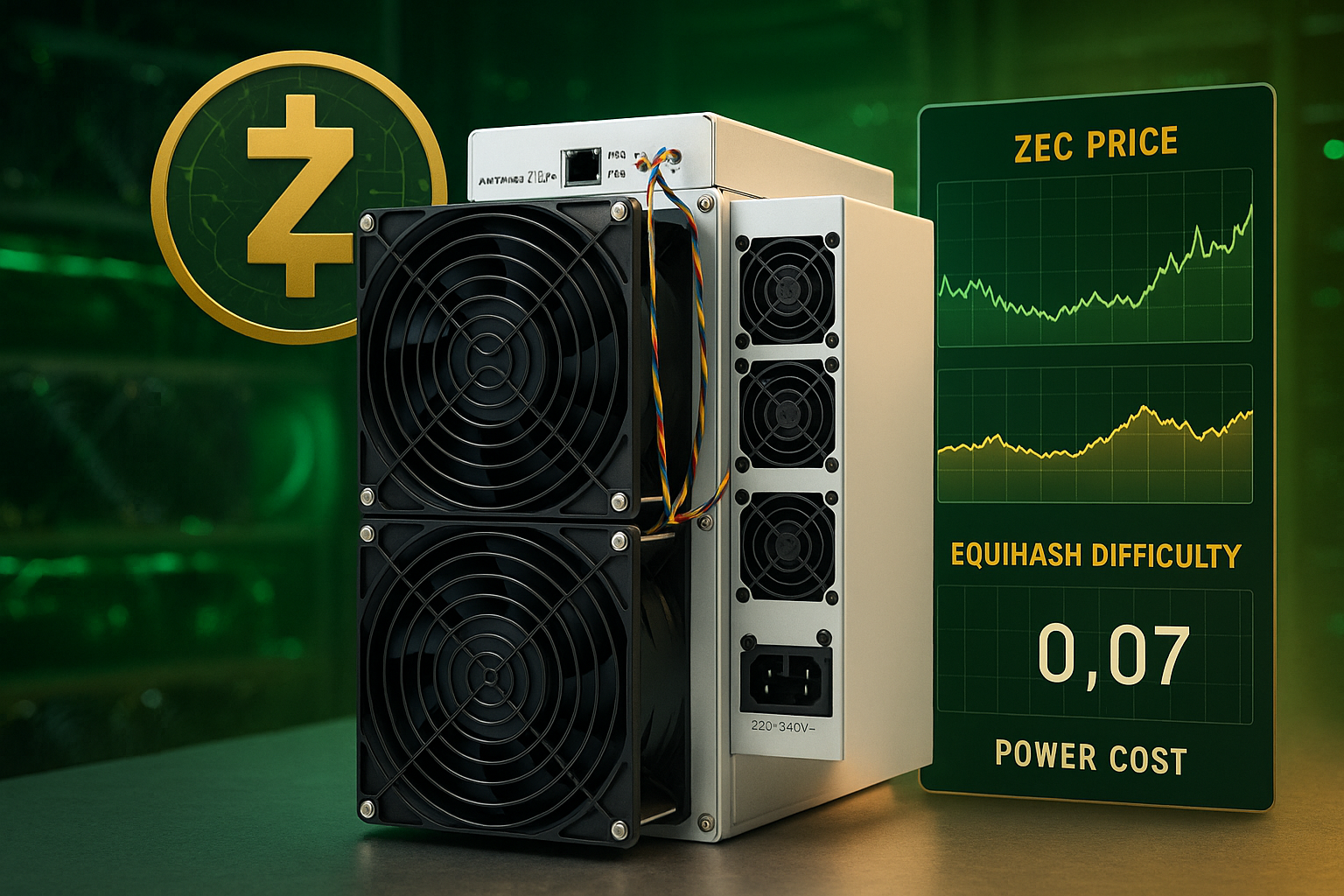
The ZEC ASIC comparison most buyers ask first is simple: should they buy the newer, higher-output Antminer Z15 Pro, or use the lower-cost Antminer Z15? The Z15 Pro is the higher-performance option and usually makes the most sense when the buyer wants maximum Equihash output per unit. The Z15 can still be relevant when acquisition cost is lower and the buyer is optimizing for a smaller budget.
| Miner | Best Fit | Main Decision Factor |
|---|---|---|
| Antminer Z15 Pro | Buyers seeking stronger ZEC hashrate density | Electricity rate, uptime, and hardware price |
| Antminer Z15 | Budget-sensitive ZEC miners | Lower entry cost versus lower output |
| Hosted ZEC ASIC | Buyers without low-cost power or cooling space | Hosting rate, service quality, and deployment speed |
When ZEC ASICs Make Sense
A ZEC ASIC makes the most sense when the buyer has at least one of three advantages: low electricity cost, a strong view on ZEC relative to current difficulty, or a need to diversify away from only SHA-256 mining. If none of those are true, the purchase can still work, but the margin of safety is thinner.
For home miners, noise, heat, and stable power are usually the limiting factors. For commercial operators, the question is more financial: does the ZEC miner improve portfolio-level return compared with adding another Bitcoin ASIC? The answer depends on live profitability and hardware price, not brand preference.
Pool Selection And Deployment Checks
ZEC pool choice should not be treated as an afterthought. Pool fees, payout method, minimum payout, geographic latency, and pool share of network hashrate all affect the real mining experience. A large pool can be stable, but concentration is also worth watching. A smaller pool can diversify the network, but payout variance may be higher.
Before deployment, follow a basic process: confirm firmware source, configure the pool carefully, test worker names, monitor rejected shares, and compare dashboard income against expected income. The ASIC miner setup guide is a useful starting point, and buyers who do not want to manage heat and power directly can compare BT-Miners hosting instead.
What ZEC Miners Should Model Before Buying
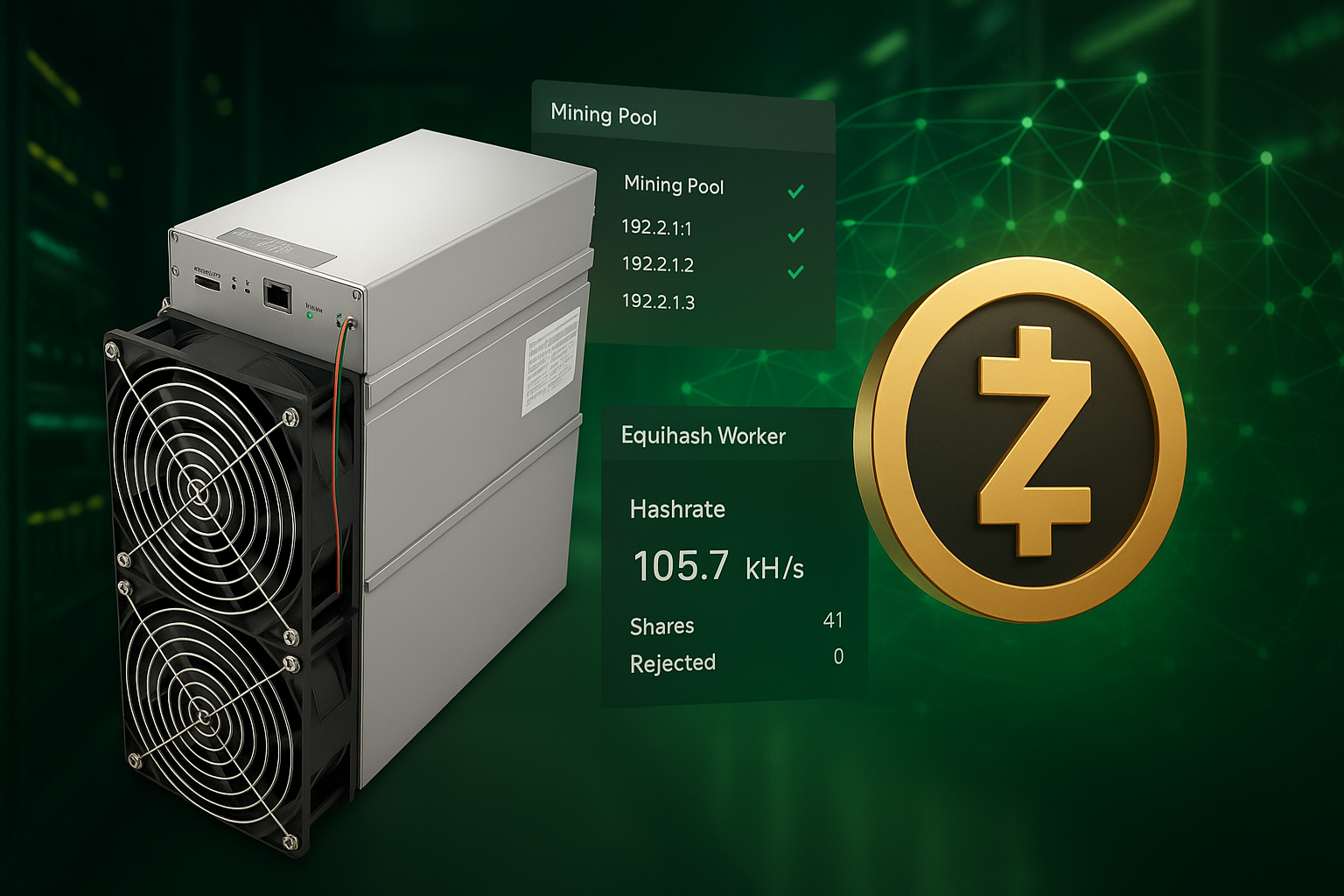
The right ZEC model includes more than daily revenue. Use a 90-day view that assumes difficulty can rise, ZEC price can move both directions, and pool luck can vary. Then test at your real power rate. A miner that looks strong at a low industrial rate can look completely different at a residential rate.
- Power rate: Model your actual cost per kWh, not an average from another region.
- Hardware cost: Include shipping, power supply requirements, and downtime risk.
- Difficulty trend: Check whether Equihash competition is rising or cooling.
- Pool assumptions: Compare fees, payout method, and rejected share rate.
- Exit plan: Consider resale value if your mining thesis changes.
Bottom Line
ZEC mining in 2026 is not a replacement for Bitcoin mining, but it is a legitimate separate lane for ASIC buyers. If Bitcoin hashprice pressure is making SHA-256 payback periods harder to justify, Equihash miners deserve a clean model using live ZEC data.
Start with the Zcash miner collection, compare the Antminer Z15 Pro and Antminer Z15, then run the numbers through the BT-Miners profitability calculator. If the model still works after power cost, pool fees, and a conservative difficulty assumption, ZEC can be a practical way to diversify mining exposure.
Sources Checked
- Zcash project overview
- MiningPoolStats Zcash pool data
- CoinWarz Zcash difficulty chart
- WhatToMine ZEC Equihash profitability page
- BT-Miners profitability calculator
FAQ: ZEC Mining And Equihash ASICs
Is ZEC mining still ASIC-based in 2026?
Yes. ZEC mining uses the Equihash proof-of-work algorithm, and competitive mining is dominated by dedicated Equihash ASIC miners rather than GPUs.
Does Bitcoin hashprice affect ZEC mining directly?
No. Bitcoin hashprice affects SHA-256 miners. ZEC miners follow ZEC price, Equihash network difficulty, pool fees, power cost, and hardware efficiency.
Which ZEC miner should buyers compare first?
Most buyers should start by comparing the Antminer Z15 Pro against the Antminer Z15, then model electricity cost and expected uptime before deciding.
What is the biggest risk when buying a ZEC ASIC?
The biggest risk is assuming current daily income will stay fixed. ZEC price, network difficulty, pool luck, and electricity rate can all change the payback window.