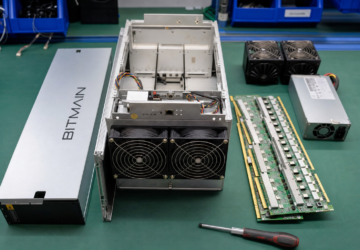
Why Efficient Bitcoin Miners Are Still Winning in 2026: What Bitdeer and BitFuFu Just Showed
Two major Bitcoin mining updates this week made the same point in different ways: scale helps, but efficiency and margin discipline still decide who wins. On May 12, Bitdeer reported that its self-mining hashrate reached 65.5 EH per second in April 2026 while total hash rate under management climbed to 87.4 EH per second. Two days later, BitFuFu reported lower April production, but defended profitability by refusing to renew third-party hashrate contracts that no longer met return thresholds.
For BT-Miners readers, that combination matters. Bitdeer is showing what aggressive fleet ramp can look like when infrastructure and manufacturing are aligned. BitFuFu is showing the other side of the equation: growth is not worth much if machine economics and power conditions are working against you. Together, the two updates reinforce a practical truth for 2026 buyers: efficient hardware and disciplined deployment matter more than headline hashrate alone.
If you are comparing ASICs right now, the takeaway is straightforward. The market still rewards operators who can pair strong machines with the right site, power cost, and scaling plan. That is exactly where machine selection becomes a strategic decision rather than just a hardware purchase.
What Bitdeer Reported In April 2026
On May 12, Bitdeer announced that it mined 783 Bitcoin in April 2026, up 372 percent year over year. The company said self-mining hashrate reached about 65.5 EH per second, co-mining contributed another 8.4 EH per second, and total hash rate under management rose to 87.4 EH per second. Bitdeer also formally launched the SEALMINER A4 series and highlighted 9.45 joules per terahash efficiency for the new line.
That matters because it shows how vertical integration can influence mining economics. Bitdeer is not only operating fleet capacity, it is also building around its own hardware roadmap, large power portfolio, and a wider infrastructure business that includes AI cloud and colocation. In practical terms, that gives it more control over the economics of expansion.
For miners watching the market, the most important signal is not just the BTC production number. It is that next-generation hardware efficiency is still central to the growth story.
What BitFuFu Reported In April 2026
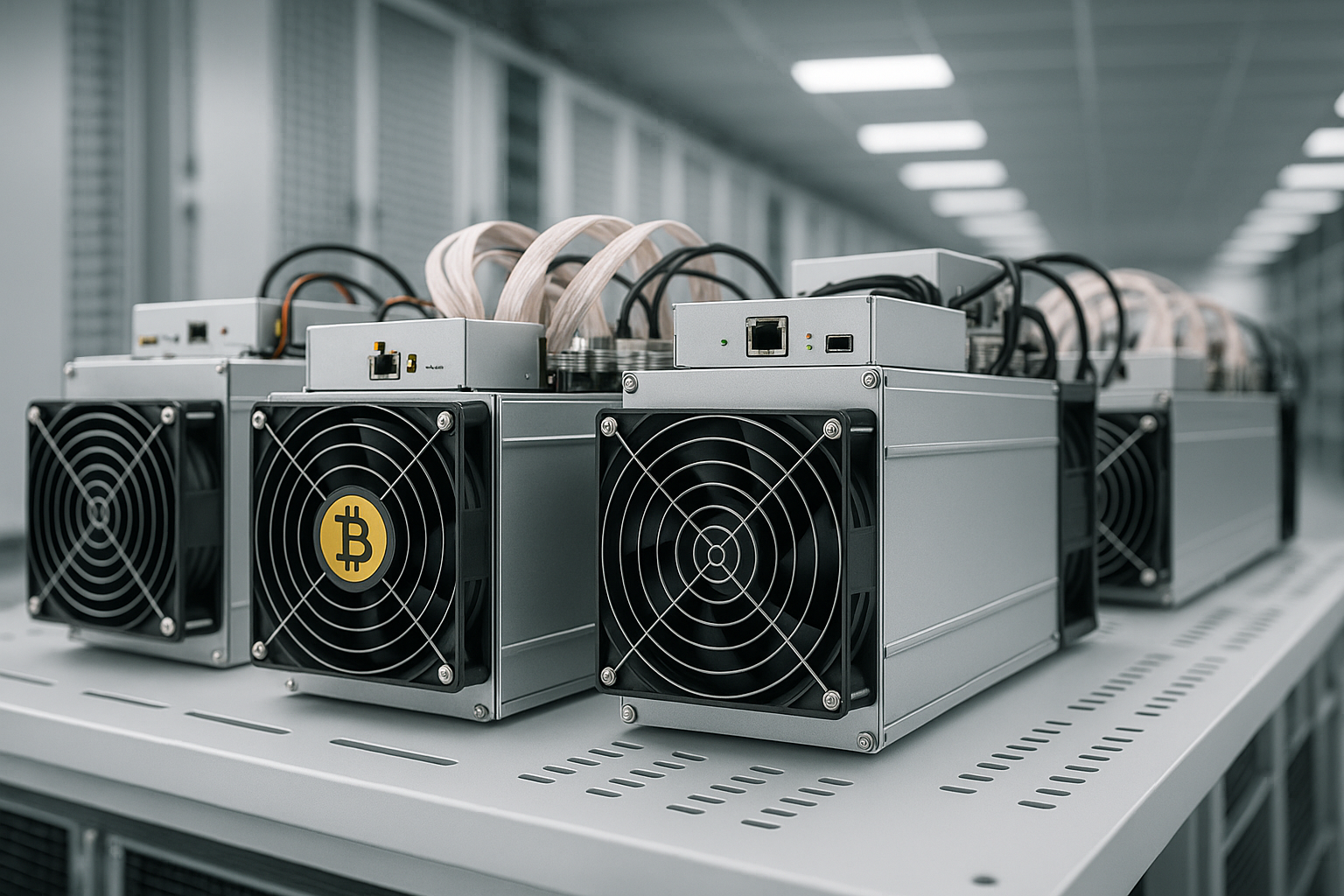
On May 14, BitFuFu reported 145 Bitcoin produced in April, down from 214 BTC in March. Management attributed the decline to a power outage at its Ethiopia facility and to a deliberate reduction in third-party hashrate procurement as contract economics worsened. Even so, the company said its self-owned hashrate held steady at 3.3 EH per second, total managed hashrate stood at 22.4 EH per second, and Bitcoin holdings increased to 1,812 BTC.
The most important line in that update was strategic rather than operational. BitFuFu said it would not pursue hashrate growth at the expense of unit economics. That is exactly the kind of discipline buyers should be paying attention to in 2026, because it reflects the real market environment rather than marketing language.
When operators refuse uneconomic growth, they are implicitly saying that efficiency, uptime, and power quality still define success more than raw fleet size does.
1. Fleet Growth Still Depends On Efficiency
The common thread across both companies is efficiency. Bitdeer emphasized a new SEALMINER line at 9.45 J per terahash, while BitFuFu highlighted an average fleet efficiency of 18.1 J per terahash and tied production pressure directly to site and contract conditions. The exact business models are different, but both updates point to the same conclusion: efficient hardware gives operators more room to scale and more flexibility when conditions weaken.
This is why ASIC comparisons still matter so much for private buyers. The best-performing miners in 2026 are not simply the ones with the biggest hashrate headline. They are the ones that keep power draw, uptime, and site fit aligned with actual market conditions.
2. Margin Discipline Is Becoming A Competitive Edge
BitFuFu gave a clear example of margin discipline by letting lower-quality third-party contracts roll off rather than chasing hashrate for its own sake. That is worth paying attention to because many smaller buyers still make the opposite mistake. They overvalue peak throughput and undervalue power cost, hosting quality, and maintenance risk.
In a market where large miners are making economically selective decisions, smaller buyers should probably be even stricter. Good machines deployed in weak conditions can still disappoint. Strong sites paired with efficient hardware remain the better formula.
3. Hardware Choice Still Shapes Long-Term ROI
If you are shopping for SHA-256 hardware now, the fastest place to compare current models is the BT-Miners Bitcoin miner collection. That gives a practical view of the current market across air-cooled and hydro options.
For buyers prioritizing efficiency, our guide to the most energy-efficient Bitcoin miners in 2026 remains one of the best starting points because it keeps the focus on the metric that matters most when margins tighten.
Two strong reference points on the site today are the Bitmain Antminer S21 XP and the Bitmain Antminer S23 Hyd. The S21 XP is a practical high-efficiency air-cooled option for buyers who want strong performance with simpler deployment. The S23 Hyd is better suited to industrial operators optimizing around density, thermal control, and larger-scale infrastructure.
FAQ: April 2026 Miner Updates And ASIC Buying
Why do the Bitdeer and BitFuFu updates matter for ASIC buyers?
They matter because both updates reinforce the same market logic: efficiency and unit economics still decide who scales successfully. Buyers should treat machine selection as an ROI decision, not just a hashrate decision.
What does Bitdeer latest update say about hardware trends?
It suggests that next-generation efficiency remains the center of the growth story. Bitdeer highlighted SEALMINER A4 efficiency and continued fleet expansion, showing that better hardware still drives operational momentum.
What does BitFuFu latest update say about risk management?
It shows that disciplined miners are willing to reduce uneconomic hashrate exposure rather than chase top-line growth. That is a useful lesson for smaller operators making hardware and hosting decisions.
Which BT-Miners machines fit this market best?
The Bitmain Antminer S21 XP and Bitmain Antminer S23 Hyd are strong reference points for buyers comparing efficient SHA-256 options today. The full Bitcoin miner collection is the best place to compare live choices.
Bottom Line
Bitdeer and BitFuFu approached April 2026 from different angles, but their updates point to the same conclusion. In this market, efficient miners still win, and disciplined deployment still matters more than growth at any cost.
For BT-Miners readers, that means the best buying decisions are still the ones grounded in site quality, power economics, and machine efficiency. The companies scaling most effectively are proving the same point in public.
Disclaimer: This article is for informational purposes only and does not constitute investment advice.