Why Bitcoin Miners Are Building AI Data Centers in 2026: What Hut 8 Signals for ASIC Buyers
Bitcoin miners are no longer being valued only as hashpower operators. In May 2026, the market received another strong signal that large mining firms are turning power access, land, and infrastructure into a second business line: AI data centers. The clearest recent example came from Hut 8, which announced a major AI campus commercialization deal and linked it to a much larger contracted revenue base.
For BT-Miners readers, the practical takeaway is not that mining is being replaced by AI. It is that the strongest mining companies are trying to monetize power and infrastructure in multiple ways at the same time. That changes how miners think about fleet upgrades, site design, cooling, and the long-term value of efficient ASIC deployments.
In simple terms, the AI pivot matters because it shows how serious operators are trying to reduce dependence on one revenue stream. For hardware buyers, it is also a reminder that ASIC selection in 2026 is no longer just about hashrate. It is about efficiency, deployment flexibility, and how mining fits into a broader infrastructure strategy.
What Happened This Week With Hut 8
On May 6, 2026, Hut 8 announced that it had commercialized the first phase of its 1 gigawatt Beacon Point AI data center campus through a 15-year, 352 MW IT lease. According to the company, the base-term contract value is 9.8 billion dollars, and could rise to 25.1 billion dollars if all renewal options are exercised. Hut 8 also said the transaction increased total contracted AI data center capacity to 597 MW with aggregate base-term contract value of about 16.8 billion dollars.
On the same date, Hut 8 reported first-quarter 2026 results and highlighted that two years of foundation-building had translated into 16.8 billion dollars in contracted lease revenue across two hyperscale AI campuses. The company framed this as proof that its power-first infrastructure model can serve both Bitcoin mining and AI workloads.
That combination makes the story worth covering for mining audiences. This is not a vague AI experiment. It is a large-scale attempt to turn energy access and site development into a durable, long-term revenue engine.
1. Power Access Is Becoming As Valuable As Hashrate
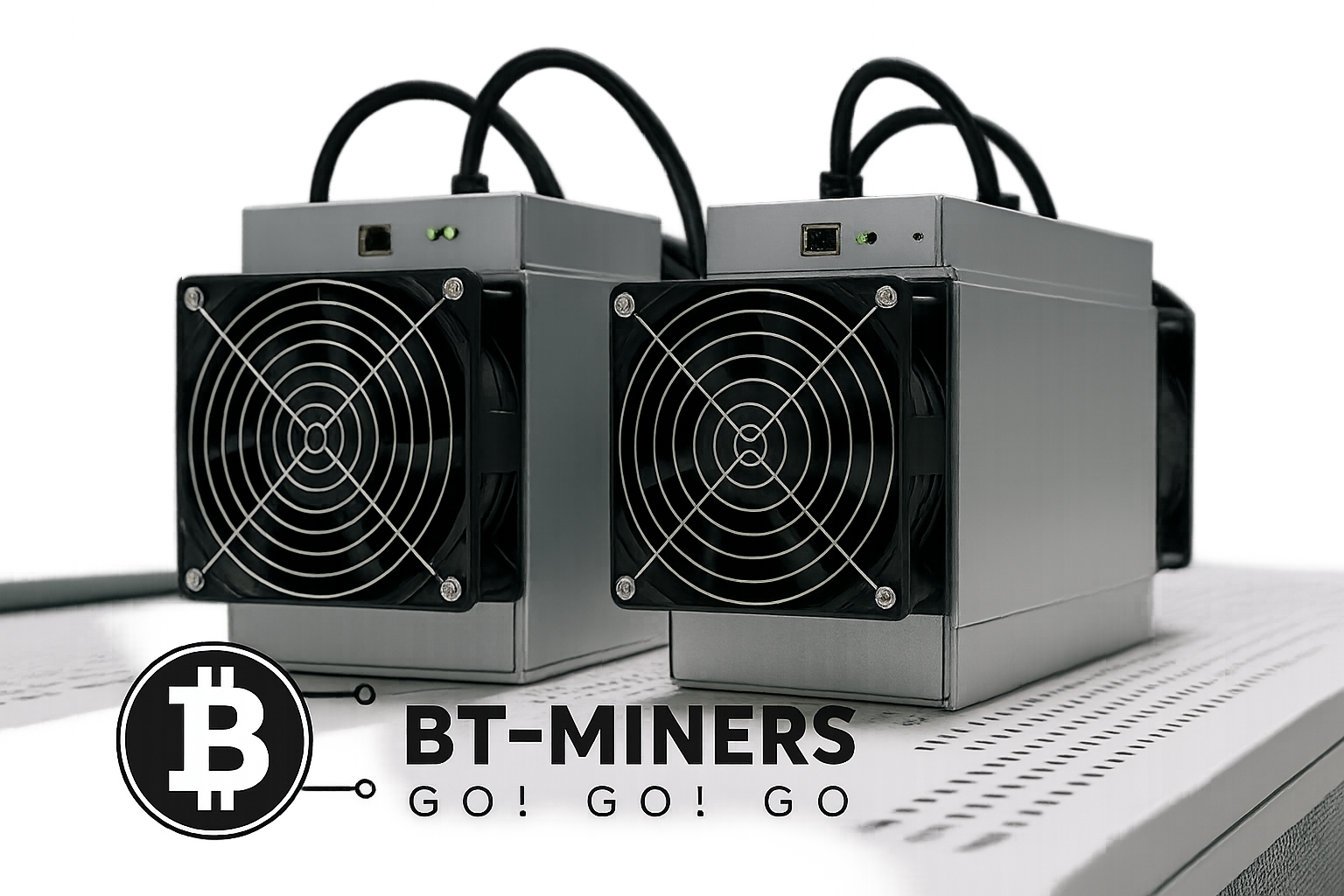
For years, the best mining companies differentiated themselves through low power cost, strong treasury management, and efficient machine fleets. In 2026, there is another layer: the ability to redeploy or dual-purpose power infrastructure. Hut 8 is showing that the same power-first discipline that matters in Bitcoin mining can also be used to win long-duration AI leases.
That does not mean every miner can become an AI data center company. But it does mean the market is starting to value power contracts, interconnection, and site readiness more explicitly. In some cases, those assets may be worth as much as the mining fleet itself.
For operators, this can create strategic optionality. In strong BTC markets, mining remains attractive. In different market conditions, AI hosting or data center leasing can improve revenue resilience.
2. The ASIC Side Still Depends On Efficiency
The AI narrative does not remove the need for efficient miners. If anything, it reinforces it. When a company has more than one way to monetize infrastructure, the hardware that remains dedicated to Bitcoin mining has to justify its power draw even more clearly. That means newer-generation SHA-256 machines keep gaining importance relative to older fleets.
For buyers comparing equipment now, the BT-Miners Bitcoin miner collection remains the best place to evaluate current options across price, cooling style, and performance tier. The market still rewards operators that can combine a favorable site with efficient hardware.
Our guide to the most energy-efficient Bitcoin miners in 2026 is especially useful in this environment because power efficiency remains the central metric when buyers are making long-horizon ROI decisions.
3. Infrastructure Strategy Is Starting To Matter More
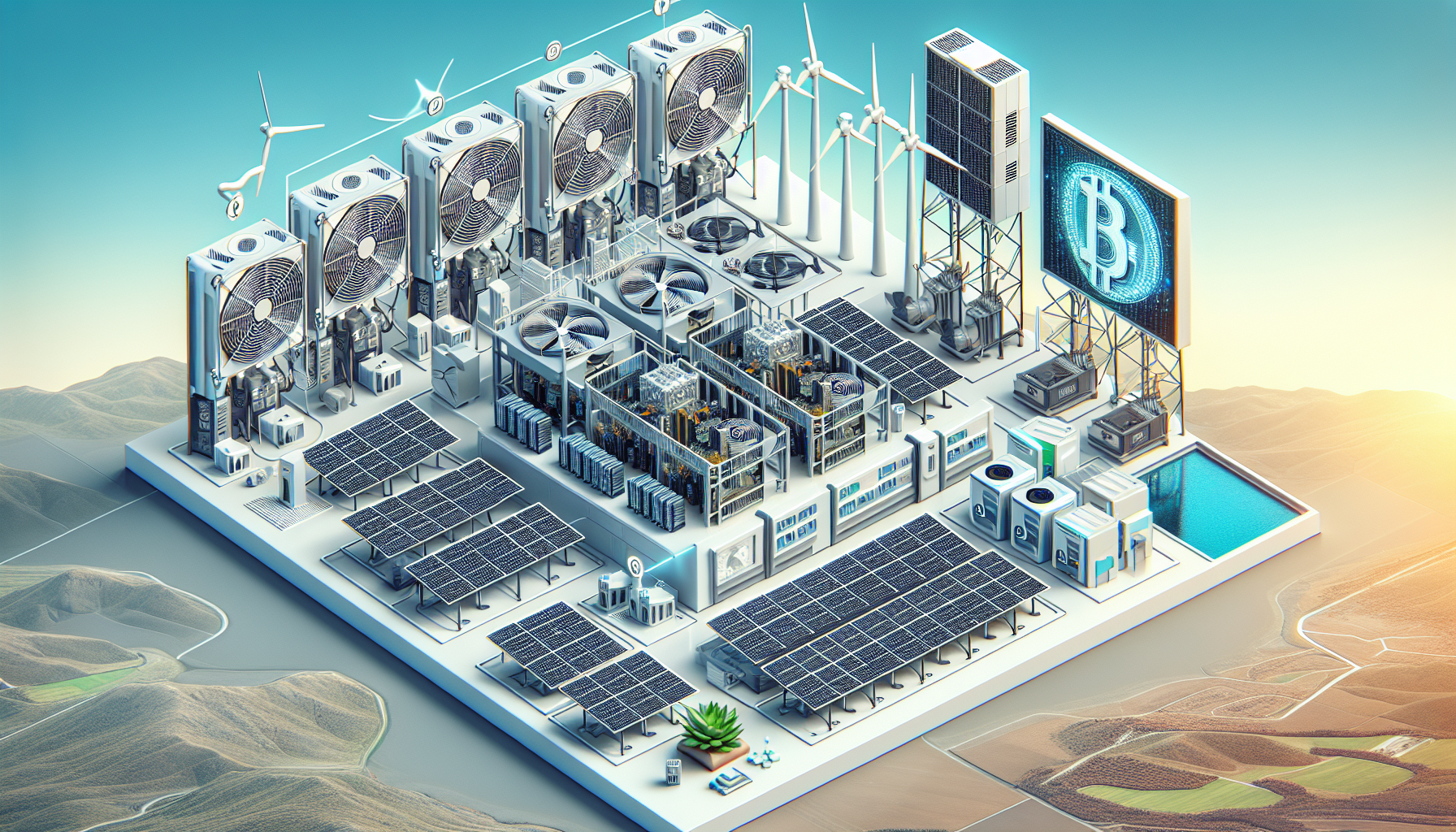
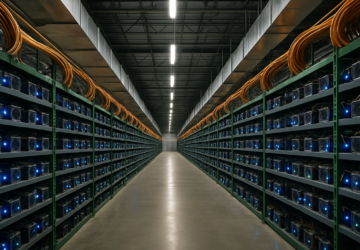
What Hut 8 signals for the broader market is that infrastructure strategy may matter more than pure cycle timing. Miners that can design sites for flexible cooling, scalable power delivery, and multiple compute use cases may command better economics over time than miners that simply chase raw installed hashrate.
This does not mean every small or mid-sized miner should pivot into AI. The capital, customer relationships, and operating demands are different. But it does suggest that site planning and machine selection should be approached with more long-term discipline. A high-efficiency miner deployed at the right site is a more strategic asset than a cheap older rig that only works in one narrow set of conditions.
That shift is one reason advanced buyers are looking more closely at both machine performance and the broader architecture around deployment.
Which Bitcoin Miners Still Make Sense In This Market
For most buyers, the question is still practical: which Bitcoin miners fit the market right now? The Bitmain Antminer S21 XP remains one of the strongest air-cooled options on BT-Miners for buyers who want top-tier efficiency without moving into hydro infrastructure. It is a good fit for operations that want strong output with simpler deployment.
For larger farms and more infrastructure-heavy builds, the Bitmain Antminer S23 Hyd stands out as a flagship hydro choice. In a market where power, density, and efficiency all matter, hydro models can make more sense for industrial buyers who are planning around scale and thermal control.
The point is not that AI data centers replace mining hardware. It is that mining hardware now lives inside a wider infrastructure conversation, and the best equipment choices are the ones that remain economically strong inside that bigger strategy.
FAQ: Bitcoin Miners And The AI Data Center Shift
Why are Bitcoin miners building AI data centers in 2026?
Large miners are trying to monetize power access, land, and site development in more than one way. AI leases can create long-duration revenue streams that complement or stabilize mining income.
Does the AI pivot mean Bitcoin mining is becoming less important?
No. Bitcoin mining remains central for specialized operators, but the biggest firms are adding infrastructure optionality. They want both efficient ASIC fleets and alternative revenue models where economics support them.
What does this mean for ASIC buyers?
It means efficiency and deployment quality matter even more. Buyers should focus on machines that can remain competitive on power cost and performance, such as the Antminer S21 XP or Antminer S23 Hyd, depending on site design.
Where should buyers compare current SHA-256 options?
The Bitcoin miner collection and the BT-Miners efficiency guide are the best starting points for comparing current models and deployment styles.
Bottom Line
Hut 8 latest AI campus announcements show that top mining firms are turning power and infrastructure into strategic assets that can support more than one business model. For Bitcoin miners and hardware buyers, the lesson is clear: efficiency, site quality, and deployment strategy matter more than ever.
Mining is still the core business for many operators, but in 2026 the strongest companies are proving that compute infrastructure can create value in multiple directions at once.
Disclaimer: This article is for informational purposes only and does not constitute investment advice.