Bitmain vs MicroBT in 2026: Which Bitcoin Mining Brand Offers Better ROI?
⚠️ Disclaimer: Mining profitability fluctuates with electricity costs, cryptocurrency prices, and network difficulty. All figures reflect conditions as of June 3, 2026 (BTC $70,102). Past performance does not indicate future results. Conduct your own due diligence before purchasing mining equipment.
Bitmain and MicroBT together manufacture the overwhelming majority of SHA-256 ASIC miners sold globally. With Bitcoin at $70,102 — down from highs above $80,000 earlier in 2026 — and a network difficulty adjustment of -7.60% upcoming, prospective buyers are evaluating which brand’s hardware delivers better returns at current conditions. This comparison uses live inventory and profitability data from BT-Miners as of June 2026.
Brand Backgrounds: Antminer vs Whatsminer
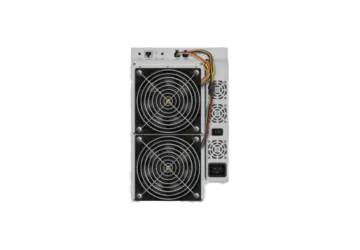
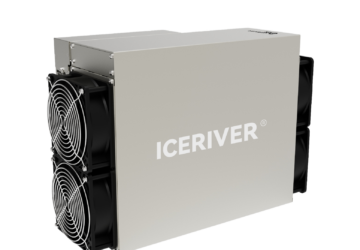
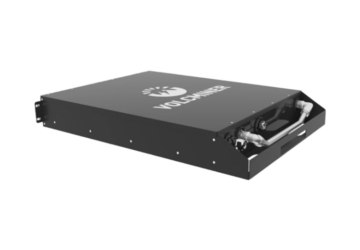
Bitmain, founded in 2013 and headquartered in Beijing, produces the Antminer product family. The S series targets SHA-256 Bitcoin mining; the L series covers Scrypt (LTC/DOGE); the Z series covers Equihash (ZEC). MicroBT, founded in 2016, produces the Whatsminer M series — which also targets SHA-256 and has grown into a competitive second source for Bitcoin mining hardware.
Both brands release new hardware generations annually and maintain active global reseller networks. For this comparison, we focus exclusively on SHA-256 Bitcoin mining and limit the analysis to models currently available at BT-Miners.
The J/TH Gap: Why Efficiency Determines Profitable Operating Range
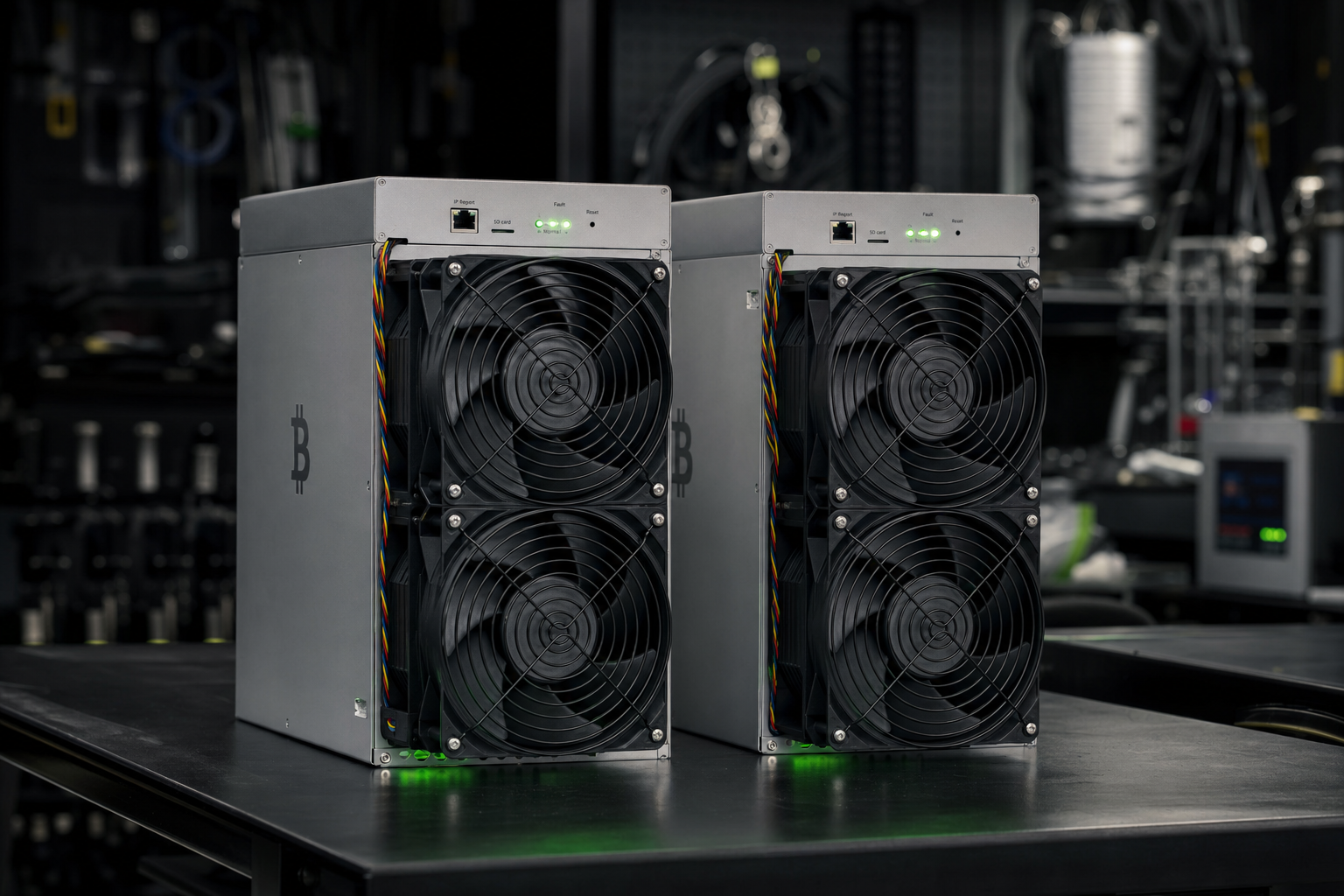
Energy efficiency — measured in joules per terahash (J/TH) — is the most consequential technical metric for ASIC buyers. A lower J/TH number means the miner consumes less electricity to produce the same hashrate, which translates directly into lower electricity cost per bitcoin mined and a wider range of power rates at which the miner stays profitable. When BTC price falls or difficulty rises, the most efficient miners are last to go underwater.
| Model | Hashrate | Efficiency | Price | Net @$0.07/kWh | ROI (months) |
|---|---|---|---|---|---|
| Antminer S23 Hyd 3U | 1,160 TH/s | 9.5 J/TH | $29,800 | $18.56/day | 53.5 |
| Antminer S23e U2H | 865 TH/s | 10.0 J/TH | $19,030 | $13.11/day | 48.4 |
| Antminer S23 Hyd | 580 TH/s | 9.5 J/TH | $15,080 | $9.28/day | 54.2 |
| Antminer S21 XP Hyd 473TH | 473 TH/s | 12.0 J/TH | $5,250 | $5.58/day | 31.4 |
| Antminer S21 XP 270TH | 270 TH/s | 13.5 J/TH | $2,565 | $2.51/day | 34.1 |
| Whatsminer M79S Hydro | 1,350 TH/s | 14.8 J/TH | $12,100 | $9.55/day | 42.2 |
| Whatsminer M79 Hydro | 920 TH/s | 15.8 J/TH | $14,500 | $5.04/day | 95.9 |
| Whatsminer M66S++ | 348 TH/s | 15.5 J/TH | $8,400 | $2.06/day | 135.9 |
Note: Net daily income calculated at $0.07/kWh and BTC $70,102. ROI = price ÷ (net income × 30 days). All hydro-cooled models require commercial data center infrastructure and are not suitable for home installation.
Among models currently in stock at BT-Miners, the Bitmain S23 series achieves 9.5 J/TH. The best available MicroBT model — the M79S Hydro — operates at 14.8 J/TH, roughly 56% higher power consumption per terahash. This gap means MicroBT hardware is more sensitive to electricity cost increases and has a narrower profitable operating range at current BTC prices.
ROI Across Five Electricity Rate Scenarios
The tables below show how daily income and payback period shift across common electricity cost ranges. Two models are compared: the Antminer S23 Hyd 3U (best Bitmain efficiency) and the Whatsminer M79S Hydro (best available MicroBT model).
Antminer S23 Hyd 3U — 1,160 TH/s | 11,020W | ,800
| Electricity Rate | Daily Net Income | Monthly Net | ROI (months) |
|---|---|---|---|
| $0.04/kWh | $26.49 | $795 | 37.5 |
| $0.07/kWh | $18.56 | $557 | 53.5 |
| $0.10/kWh | $10.63 | $319 | 93.4 |
| $0.12/kWh | $5.34 | $160 | 185.9 |
| $0.15/kWh | -$2.60 | -$78 | Loss |
Whatsminer M79S Hydro — 1,350 TH/s | 20,000W | ,100
| Electricity Rate | Daily Net Income | Monthly Net | ROI (months) |
|---|---|---|---|
| $0.04/kWh | $23.95 | $719 | 16.8 |
| $0.07/kWh | $9.55 | $287 | 42.2 |
| $0.10/kWh | -$4.85 | -$146 | Loss |
| $0.12/kWh | -$14.45 | -$434 | Loss |
| $0.15/kWh | -$28.85 | -$866 | Loss |
Note: Calculations use BTC $70,102 and network difficulty as of June 3, 2026. Gross income = net@$0.07 + (power_W × 24 / 1000 × $0.07). Net at other rates = gross − (power_W × 24 / 1000 × rate). Model your specific scenario with the BT-Miners profitability calculator.
The S23 Hyd 3U remains profitable through $0.12/kWh and breaks even near $0.14/kWh. The M79S Hydro crosses into negative territory at $0.10/kWh — an electricity rate encountered in a large portion of North American and European markets. MicroBT’s flagship model is viable only at power rates below approximately $0.085/kWh, limiting its practical market to operators with industrial-grade contracts or access to subsidized energy.
Value Tier: Best ROI Per Dollar Deployed
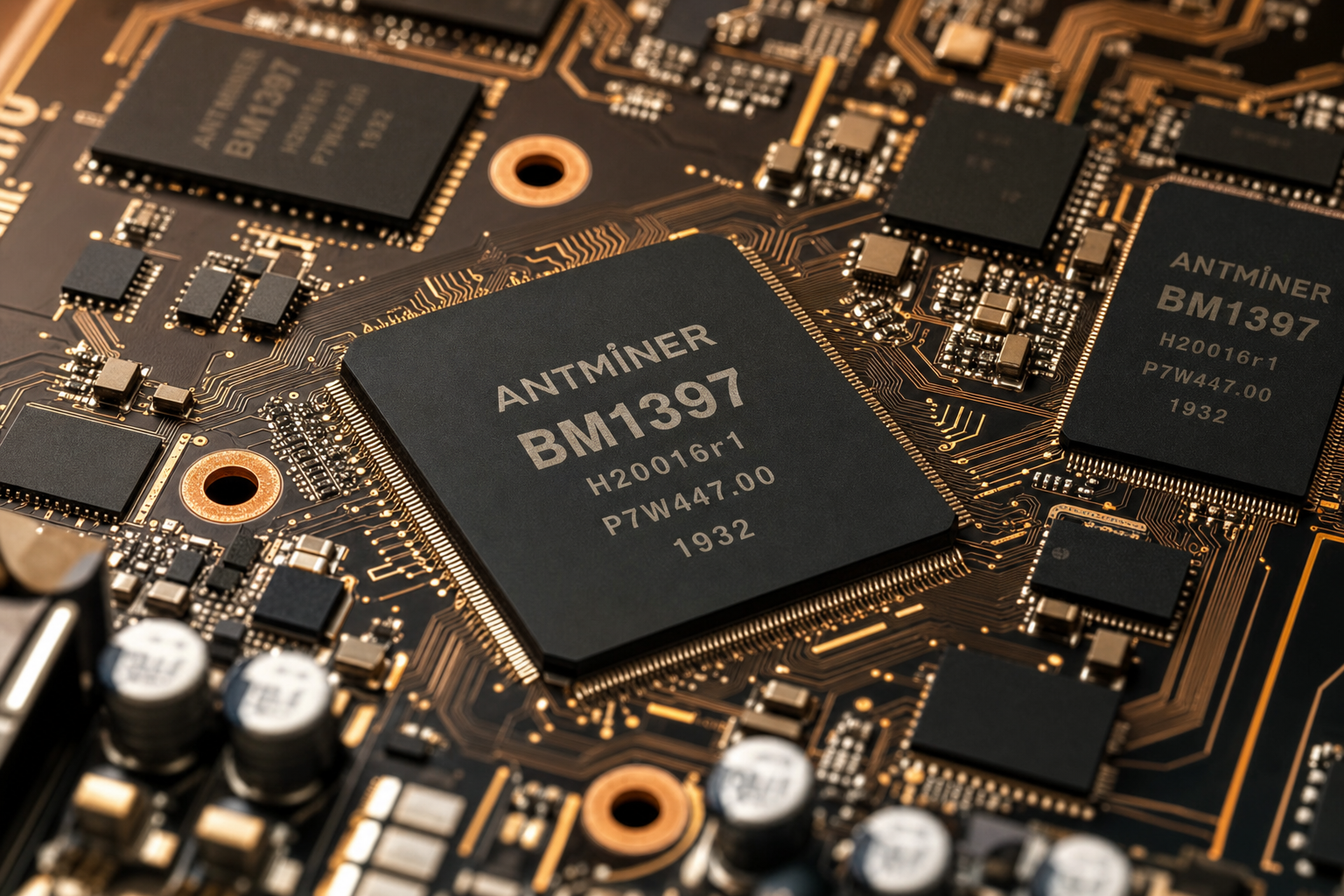
For buyers who prioritize capital efficiency over raw hashrate, two Bitmain models stand out from the current BT-Miners inventory.
Antminer S21 XP Hyd 473TH — ,250 | Shortest Payback in Stock
At $5,250, the S21 XP Hyd 473TH produces $5.58/day net at $0.07/kWh — a 31.4-month payback period. At $0.04/kWh industrial power, ROI shortens to 18.1 months. At $0.10/kWh the daily income drops to $1.49/day (117-month ROI), and the model goes marginally negative just above that rate.
This is a hydro-cooled unit requiring data center infrastructure. The lower capital cost relative to the S23 series makes it more accessible for mid-scale commercial operators.
Antminer S21 XP 270TH — ,565 | Air-Cooled Entry Point
The air-cooled S21 XP 270TH at $2,565 produces $2.51/day net at $0.07/kWh (34.1-month ROI). At $0.04/kWh, ROI shortens to 16.6 months. This model operates near breakeven at $0.10/kWh, which means it has less margin for electricity rate increases than the S23 series. It is suitable for air-cooled facilities without specialized water cooling.
MicroBT’s lowest-priced profitable model — the M66S++ at $8,400 with $2.06/day net at $0.07/kWh — has a 135.9-month payback period: more than 11 years. It does not offer a competitive alternative at this tier.
Network Context: BTC at K and a -7.6% Difficulty Adjustment
Bitcoin is trading at $70,102 as of June 3, 2026, with a network hashrate of 952.3 EH/s. An upcoming difficulty adjustment of -7.60% reflects a portion of the network’s mining capacity going offline — typically because operators with high electricity costs or less efficient hardware chose to shut down rather than mine at a loss. When difficulty drops, each active miner earns a proportionally larger share of the block reward.
The -7.6% adjustment provides a modest temporary boost to daily income for all operating hardware. It does not alter the structural comparison between brands: efficiency advantage stays with Bitmain’s S23 and S21 XP lineup regardless of the difficulty level.
Brand Comparison Summary
| Factor | Bitmain (Antminer) | MicroBT (Whatsminer) |
|---|---|---|
| Best efficiency in stock | 9.5 J/TH (S23 series) | 14.8 J/TH (M79S Hydro) |
| Profitable at $0.10/kWh? | Yes (S23, S23e, S21 XP Hyd) | No (M79S breaks even ~$0.085) |
| Shortest ROI available | 31.4 months (S21 XP Hyd 473TH) | 42.2 months (M79S Hydro) |
| Entry price range | $950 – $29,800 | $2,500 – $14,500 |
| Maximum hashrate | 1.16 PH/s (S23 Hyd 3U) | 1.35 PH/s (M79S Hydro) |
| Viable power rate ceiling | ~$0.14/kWh (S23 series) | ~$0.085/kWh (M79S Hydro) |
Who Should Choose Each Brand?
Bitmain may be worth considering when:
- Your electricity rate falls between $0.07 and $0.12/kWh — the range covering most North American commercial contracts
- You want the widest operational margin against BTC price drawdowns
- You need a broader range of hashrate tiers and entry price points
- You are deploying air-cooled hardware in a standard data center or industrial facility
MicroBT is worth evaluating when:
- You operate a large-scale facility with sub-$0.07/kWh power contracts
- You run a hydro-cooled data center and the M79S Hydro’s 1.35 PH/s density fits your rack configuration
- You can access the M79S Hydro at $0.04/kWh, where it produces $23.95/day with a 16.8-month ROI
Neither brand’s currently available hydro-cooled hardware is appropriate for home or small office environments. Water-cooled ASICs require purpose-built infrastructure: industrial cooling loops, three-phase power, and facility engineering. All ROI figures above assume commercial data center deployment.
Conclusion
Based on the models currently available at BT-Miners, the Bitmain S23 and S21 XP series show more favorable efficiency numbers than MicroBT’s Whatsminer lineup. The 9.5 J/TH figure of the S23 series versus 14.8 J/TH for the M79S Hydro results in a wider electricity cost range at which Bitmain units remain profitable under current BTC pricing.
MicroBT’s M79S Hydro offers competitive raw hashrate at a relatively low price ($12,100), but its 20,000W power draw causes it to operate at a loss above approximately $0.085/kWh — an electricity rate that is ordinary, not exceptional, in many markets. Operators who cannot consistently access sub-$0.085/kWh power should review the profitability table carefully before purchasing.
Neither brand offers quick payback at $70,102 BTC. The shortest ROI available in this comparison is 31.4 months (S21 XP Hyd 473TH at $0.07/kWh). For context, 24–36 months is typical for bitcoin mining hardware in the current post-halving market; anything under 24 months is generally considered favorable. Payback periods above 5 years carry meaningful risk of hardware obsolescence before capital recovery.
Additional risks apply beyond electricity costs: cryptocurrency markets remain highly volatile, regulatory frameworks for mining operations are evolving in multiple jurisdictions, and new ASIC generations from both Bitmain and MicroBT can shift network difficulty faster than initial ROI models anticipate. Buyers should model downside scenarios — BTC prices below $50,000 and electricity rates 30% above current contracts — before committing capital to any hardware purchase.
Browse all available Bitmain Antminer and MicroBT Whatsminer models at BT-Miners, or run your own numbers with the BT-Miners profitability calculator.