Руководство по выбору майнеров биткоинов с гидроохлаждением в 2026 году: когда стоит приобрести модели S21 Hyd и S23 Hyd.
⚠️ Предупреждение: Прибыльность майнинга колеблется в зависимости от стоимости электроэнергии, цен на криптовалюты и сложности сети. Все данные отражают ситуацию по состоянию на 24 июня 2026 года. Результаты прошлых лет не гарантируют будущих результатов. Перед покупкой оборудования для майнинга проведите собственную проверку.
ASIC-майнеры с гидроохлаждением вызывают большой интерес у коммерческих операторов, но также порождают распространенные заблуждения относительно того, для кого они на самом деле подходят. В этом руководстве рассматривается практическая основа принятия решения: что требуется для гидроохлаждения, какие модели доступны в настоящее время и в каких конкретных сценариях эксплуатации оправданы инвестиции в инфраструктуру. Если вы оцениваете гидромайнеры для домашнего или небольшого предприятия, сначала прочтите заключительный раздел.
Как работает гидроохлаждение в ASIC-майнерах
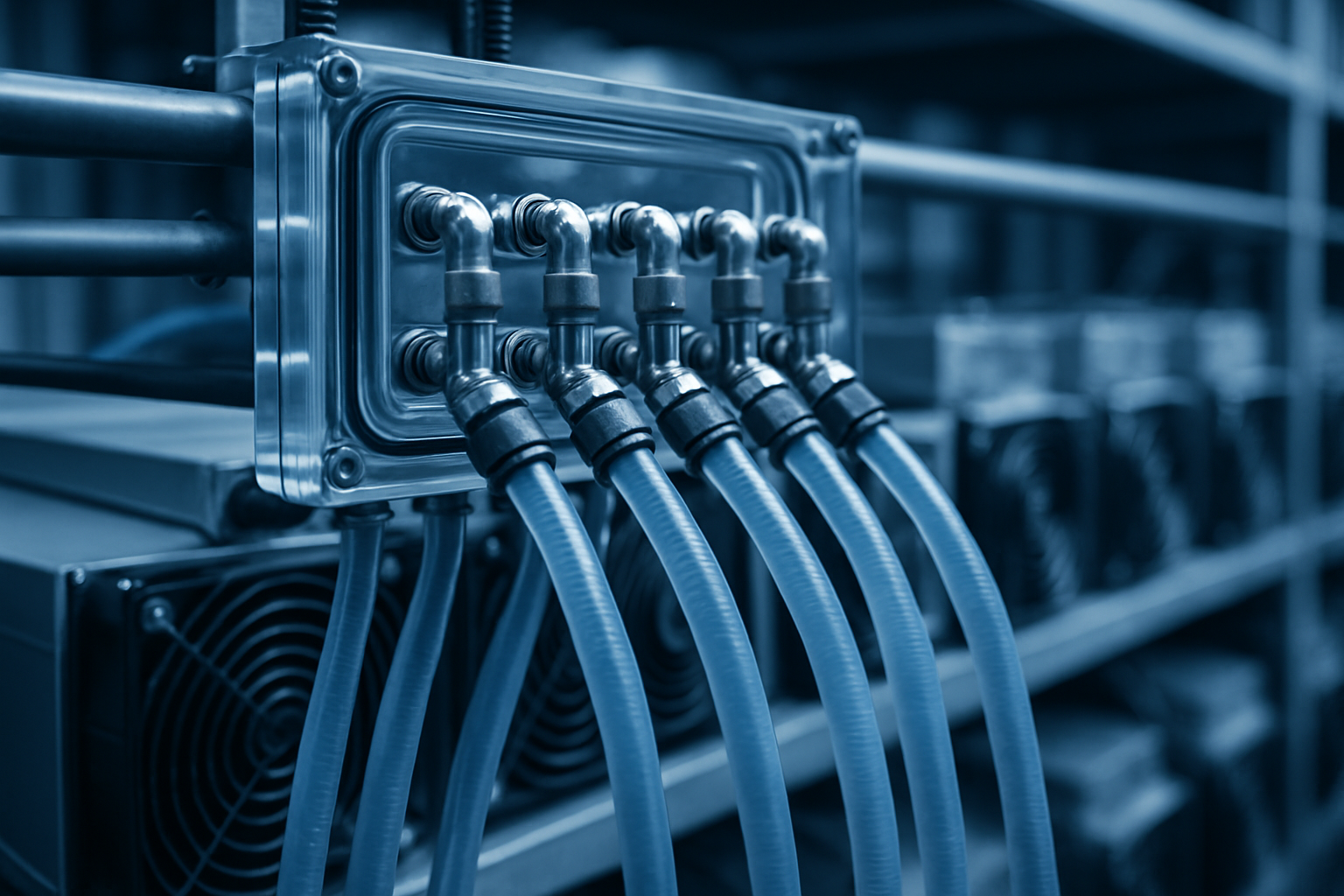
В ASIC-майнерах с гидроохлаждением промышленные вентиляторы, используемые в обычных устройствах, заменены водоблоками, которые прижимаются непосредственно к хеш-платам и платам управления. Охлаждающая жидкость циркулирует по замкнутому контуру — от майнера к внешнему блоку распределения охлаждения (CDU) или градирне — рассеивая тепло через теплообменник, а не через воздушный поток.
Ключевые эксплуатационные отличия от установок с воздушным охлаждением включают в себя:
- Отсутствие зависимости от воздушного потока — Для работы майнера не требуется вентилируемое пространство или воздухопроницаемые каналы с поднятым полом.
- Более высокая устойчивая скорость хеширования — Тепловое дросселирование при высокой нагрузке снижается или устраняется.
- Более низкие внутренние рабочие температуры — способствует увеличению срока службы хеш-платы при длительной работе.
- Почти бесшумная работа — Промышленные вентиляторы практически исключены; блок распределения воздуха производит некоторый шум, но гораздо меньше, чем аналогичные блоки с воздушным охлаждением.
- Более высокая удельная мощность на единицу стоечного оборудования. — больше хешрейта помещается в заданную стойку.
Компромисс существенный: гидромайнеры требуют постоянной водопроводной инфраструктуры, чего не требуется для установок с воздушным охлаждением. Установка первичной переработки нефти (CDU), трубопроводы, коллекторы и система обнаружения утечек добавляют от 15 000 до 60 000 долларов и более к первоначальным капитальным затратам в зависимости от масштаба внедрения, и это необходимо учитывать в общей стоимости владения до проведения анализа рентабельности.
Ключевые майнеры биткоинов с гидроохлаждением поступят в продажу в 2026 году.
Bitmain Antminer S21 Гид.
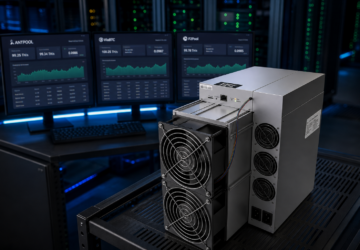
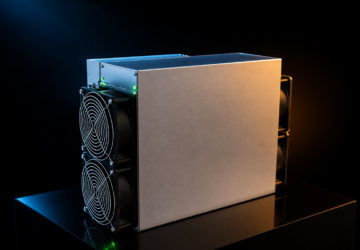
Antminer S21 Hyd — это основной майнер биткоинов с жидкостным охлаждением от Bitmain текущего поколения. Флагманская конфигурация обеспечивает производительность 335 TH/s при потреблении 5,360 Вт , что составляет примерно 16.0 Дж/TH (джоулей на терахеш — показатель энергоэффективности, где меньшие значения указывают на меньшее потребление энергии на единицу вычислительной работы).
| Параметр | Antminer S21 Гидравлический 335T |
|---|---|
| хэшрейт | 335 Тх/с (±3%) |
| потребляемая мощность | 5,360 Вт (± 5%) |
| Эффективность чипа | 16.0 Дж/ТХ |
| Способ охлаждения | Жидкостное охлаждение (водяные блоки) |
| Уровень шума | |
| Температура воды на входе | 5-40 ° С |
| Форм-фактор | 2U, монтируемый в стойку |
| Алгоритм | SHA-256 (Биткойн) |
Примечание: Актуальные цены и наличие товара уточняйте на странице продукта BT-Miners S21 Hyd . Технические характеристики могут изменяться в зависимости от версии прошивки.
В линейке Bitmain S21 Hyd является преемником модели S19 Hyd. Операторы, использующие существующие контуры водяного охлаждения от предыдущих поколений, как правило, могут интегрировать блоки S21 Hyd без существенных изменений инфраструктуры, при условии достаточной мощности блока распределения воды.
Bitmain Antminer S23 Hyd 3U
Antminer S23 Hyd 3U представляет собой высокопроизводительный корпоративный сегмент от Bitmain. Форм-фактор 3U обеспечивает более высокую скорость хеширования на единицу стоечного места, чем стандартный 2U S21 Hyd, что снижает накладные расходы на управление, кабели и потребление ресурсов PDU. При текущей розничной цене около 29 800 долларов США это устройство ориентировано на институциональных клиентов, а не на независимых операторов.
Для работы S23 Hyd 3U требуется выделенная высоковольтная электросеть — как правило, трехфазная сеть 240 В или выше — в дополнение к контуру жидкостного охлаждения. Покупателям следует рассчитать общие капитальные затраты на одну стойку (стоимость майнера плюс амортизация блока распределения питания и электросети), прежде чем сравнивать рентабельность инвестиций с более дешевыми альтернативами. Используйте калькулятор рентабельности BT-Miners, чтобы рассчитать текущие прогнозы доходов при вашем тарифе на электроэнергию.
MicroBT Whatsminer M66S Hydro
Предлагаемая компанией MicroBT модель гидроразрыва пласта M66S Hydro, предназначенная для рынка 2026 года, обеспечивает производительность около 298 TH/s при потребляемой мощности 5,412 Вт (~18.2 Дж/TH). По показателю эффективности чипа она уступает S21 Hyd, но MicroBT располагает более развитой сетью сервисного обслуживания и поставок запчастей в Юго-Восточной Азии и некоторых регионах Ближнего Востока — это важный фактор для операторов в этих регионах. Покупатели, уже использующие программное обеспечение для управления Whatsminer, также могут предпочесть эту модель, чтобы избежать смешивания платформ управления.
Сравнение эффективности: гидроохлаждение против воздушного охлаждения
Распространенное предположение состоит в том, что гидроохлаждение обеспечивает значительно более высокую эффективность чипа, чем воздушное охлаждение. Однако данные показывают более сложную картину.
| Модель | Тип системы охлаждения | хэшрейт | Power Draw | Эффективность (Дж/ТХ) |
|---|---|---|---|---|
| Antminer S21 Гидравлический 335T | Гидро | 335 TH / s | 5,360 Вт | 16.0 |
| Антмайнер S21 Pro 234T | С воздушным охлаждением | 234 TH / s | 3,510 Вт | 15.0 |
| Antminer S21+ 216T | С воздушным охлаждением | 216 TH / s | 3,564 Вт | 16.5 |
| Whatsminer M66S Гидро | Гидро | 298 TH / s | 5,412 Вт | 18.2 |
| Whatsminer M63S+ 390T | С воздушным охлаждением | 390 TH / s | 6,435 Вт | 16.5 |
Примечание: Показатели эффективности указаны производителем при стандартных условиях тестирования. Реальная эффективность зависит от температуры воды на входе (гидро) или температуры окружающей среды (воздушное охлаждение), калибровки напряжения и профиля нагрузки. Смоделируйте свой конкретный сценарий, используя калькулятор рентабельности BT-Miners.
Система воздушного охлаждения Bitmain S21 Pro достигает показателя 15.0 Дж/ТН — что значительно лучше, чем 16.0 Дж/ТН у S21 Hyd. Преимущество Hyd заключается не в эффективности чипа, а в термической стабильности, рабочей плотности и стабильности производительности в условиях, когда воздушное охлаждение ограничено.
Требования к инфраструктуре: полная картина затрат
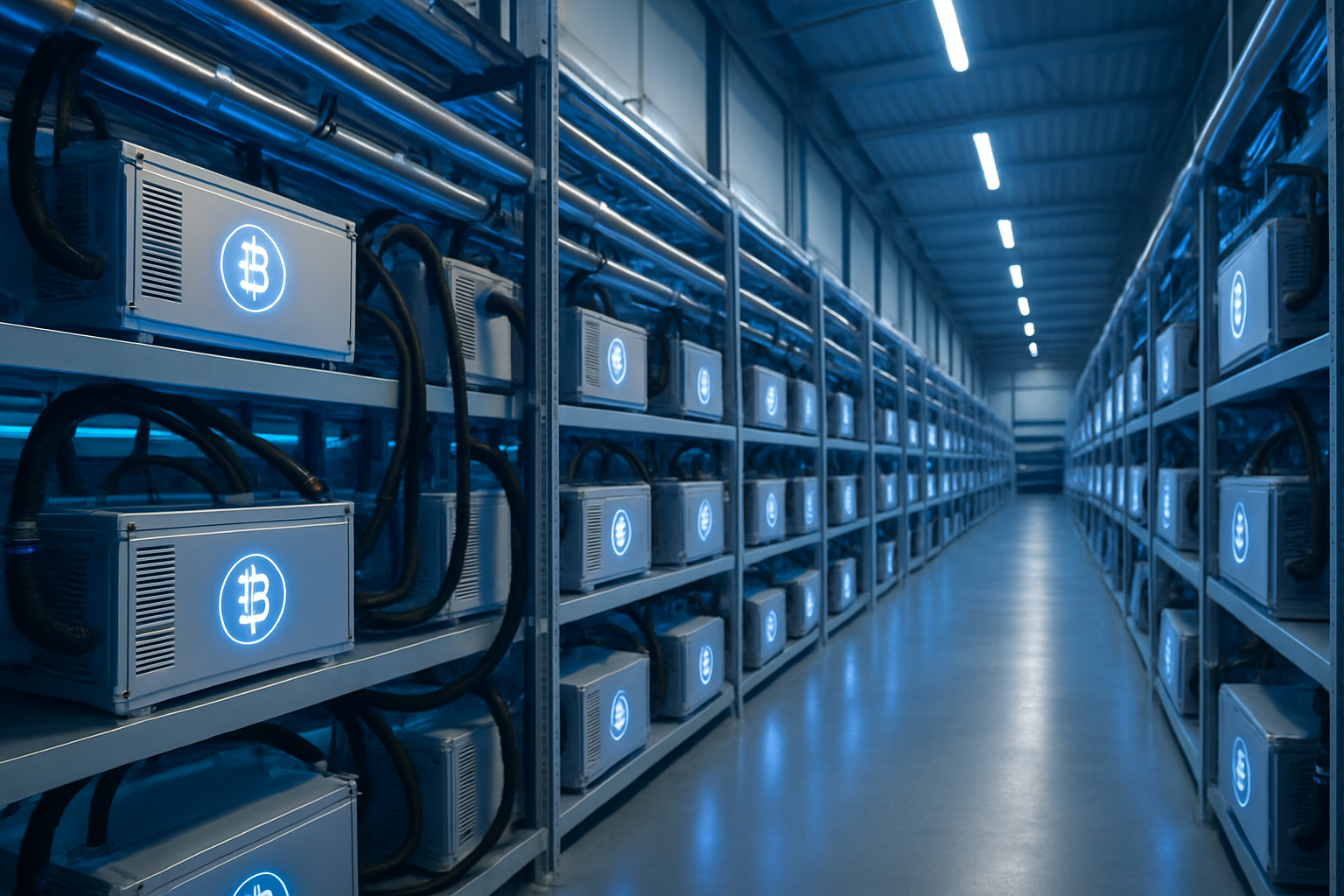
Оценка эффективности гидроэнергетических установок не может считаться полной без учета всей инфраструктуры. Ниже приведены примерные диапазоны для развертывания в среднем масштабе (10–50 единиц). Стоимость значительно варьируется в зависимости от местоположения, состояния объекта и расценок подрядчика.
Блок распределения охлаждения (CDU)
Блок управления охлаждением (CDU) регулирует температуру, расход и давление охлаждающей жидкости во всей системе. Для развертывания на 10 устройств подходящий CDU стоит приблизительно 8 000–20 000 долларов. Стоимость корпоративных CDU, поддерживающих более 50 устройств, обычно составляет 30 000–70 000 долларов.
Внутристеллажные трубопроводы и коллекторы
В зависимости от конфигурации, подающие/возвратные коллекторы, гибкие шланговые соединения и датчики обнаружения утечек добавляют от 3,000 до 15,000 долларов к стоимости каждой стойки. Система обнаружения утечек не является дополнительной опцией: одна незамеченная неисправность в системе трубопроводов может вывести из строя всю стойку с оборудованием.
Теплоотдача
Блок обработки тепловой энергии должен отводить тепло во внешнюю систему — градирню, сухой охладитель или чиллер. В жарком климате, где для майнеров с воздушным охлаждением требуются значительные инвестиции в системы отопления, вентиляции и кондиционирования воздуха, такая инфраструктура иногда уже имеется или ее строительство обходится дешевле, чем создание специализированных систем ОВК для майнеров с воздушным охлаждением.
Распределение мощности
Гидромайнеры потребляют 5,000 Вт и более на единицу оборудования. Для развертывания 10 установок требуется 50–60 кВт выделенной электроэнергии, как правило, с трехфазным распределением напряжения 208–480 В. Стоимость блока распределения питания (PDU) в таком масштабе составляет 5,000–15,000 долларов США до установки.
Структура принятия решений: когда оправдано гидроохлаждение
Гидроохлаждение экономически оправдано, если операторы могут подтвердить большинство из следующих условий:
- Минимальный масштаб — 10+ единиц.Затраты на распределительные устройства и сантехнику в основном фиксированы. При количестве менее 10 единиц амортизированные затраты на инфраструктуру на один майнер трудно оправдать по сравнению с повышением эффективности современных систем воздушного охлаждения.
- Температура окружающей среды постоянно выше 35°C.В условиях высоких температур майнеры с воздушным охлаждением снижают производительность или отключаются. Гидромайнеры поддерживают номинальную производительность при температуре воды на входе до 40°C — это практичный выбор для предприятий на Ближнем Востоке, в Юго-Восточной Азии или в любом регионе, где отсутствуют промышленные системы отопления, вентиляции и кондиционирования воздуха.
- Ограничением по месту в стойке или количеству цепей PDU является ограниченный ресурс.Если вы стремитесь к максимальной скорости хеширования в рамках фиксированной площади стойки или мощности электрощита, гидромайнеры обеспечивают примерно на 35–40% большую скорость хеширования на единицу площади стойки, чем аналогичные устройства с воздушным охлаждением.
- Планируемый операционный горизонт — более 2 лет.Инфраструктурные затраты со временем окупаются. Операторы, планирующие обновлять оборудование каждые 12 месяцев, могут не окупить первоначальные затраты на инфраструктуру.
- Шум является ограничивающим фактором для объекта.Промышленные майнеры с воздушным охлаждением работают на уровне 75–82 дБ. Гидромайнеры практически бесшумны в области шасси. Для объектов совместного размещения с ограничениями по уровню шума это может быть обязательным требованием.
| Сценарий | Рекомендуемый подход | аргументация |
|---|---|---|
| Специализированный комплекс, более 20 квартир, жаркий климат. | Гидро | Плотность, термическая стабильность, отсутствие затрат на системы отопления, вентиляции и кондиционирования. |
| Совместное размещение, 5–20 единиц, умеренный климат. | С воздушным охлаждением | Отсутствие инфраструктуры ЦДУ (централизованного распределения удобрений), более низкие первоначальные затраты. |
| Для дома или небольшого офиса, 1–5 единиц. | Только с воздушным охлаждением | Гидроэнергетическая инфраструктура нецелесообразна или небезопасна в жилых районах. |
| Расширение мощностей существующего водоохлаждаемого комплекса | Гидро | Амортизация CDU уже произведена; поэтапное увеличение количества установок является эффективным. |
| Максимальная плотность размещения оборудования в стеллажах, ограниченное пространство. | Гидро | Примерно на 35–40% больше TH/s на стойку U по сравнению с системами воздушного охлаждения. |
Кому не следует покупать гидромайнеры?
Майнеры с гидроохлаждением не подходят для самостоятельной добычи полезных ископаемых или для предприятий с количеством установок менее 5–10 единиц. Причины этого носят практический характер:
- Инфраструктура CDU нецелесообразна в жилых районах.
- Внесение изменений в водопроводную систему обычно является нарушением договоров аренды жилых помещений и строительных норм.
- Наличие воды вблизи высоковольтного оборудования представляет серьезную опасность для безопасности и имущества.
- Экономическая целесообразность на единицу продукции не работает в малых масштабах — затраты на инфраструктуру превышают любую операционную экономию.
Для независимых горняков и мелких операторов существующие установки с воздушным охлаждением мощностью 15–17 Дж/ТГ обеспечивают высокую производительность без необходимости создания развитой инфраструктуры. Решение должно основываться на проверяемых условиях эксплуатации, а не на привлекательности технически впечатляющего продукта.
Заключение: Инструмент для подходящей операционной среды
Майнеры с гидроохлаждением, такие как Antminer S21 Hyd и S23 Hyd 3U, являются проверенными продуктами с доступной поддержкой производителя и разветвленной сетью поставок запчастей. Для коммерческих операторов, строящих или масштабирующих специализированные объекты — особенно в жарком климате или при высокой плотности размещения оборудования в стойках — они представляют собой вариант развертывания к 2026 году, если будут соблюдены соответствующие условия. Преимущество в эффективности чипов по сравнению с существующими альтернативами с воздушным охлаждением невелико, но преимущества в плотности размещения, термической стабильности и уровне шума при работе могут компенсировать более высокие первоначальные затраты на инфраструктуру в течение многолетнего периода развертывания — хотя это зависит от фактических тарифов на электроэнергию, использования оборудования и срока службы оборудования.
Для операторов, не отвечающих необходимым инфраструктурным требованиям, инвестиции в современное оборудование с воздушным охлаждением, как правило, принесут лучшую чистую прибыль. Используйте калькулятор рентабельности BT-Miners , чтобы сравнить сценарии при вашем тарифе на электроэнергию, прежде чем принимать решение.
Актуальные цены и информация о наличии Antminer S21 Hyd и Antminer S23 Hyd 3U доступны на сайте BT-Miners, или же свяжитесь с нашей командой для обсуждения вопросов коммерческой закупки и поддержки в планировании инфраструктуры.