Bitmain против MicroBT: какой бренд ASIC-майнеров лучше в 2026 году?
⚠️ Отказ от ответственности: Рентабельность майнинга колеблется в зависимости от стоимости электроэнергии, цен на криптовалюты и сложности сети. Все данные отражают ситуацию по состоянию на 26 июня 2026 года.BTC 66 328 долларов США, ZEC 524.85 долларов США. BTC Хешрейт сети 979.2 EH/s, сложность +6.96% в следующей эпохе). Прошлые результаты не гарантируют будущих. Перед покупкой оборудования для майнинга проведите собственное исследование.
Введение: Имеет ли значение бренд при покупке ASIC-майнера?
При выборе оборудования для ASIC-майнинга покупатели неизбежно сталкиваются с вопросом «Bitmain против MicroBT». Обе компании доминируют на рынке уже много лет — Bitmain благодаря линейке Antminer, MicroBT благодаря Whatsminer — и обе производят машины, которые на бумаге кажутся сопоставимыми. Но в середине 2026 года данные говорят о более тонкой картине: бренд становится практически второстепенным по сравнению с криптовалютой, которую вы собираетесь майнить.
В этом анализе сравниваются флагманские продукты Bitmain и MicroBT, доступные в настоящее время, с использованием данных о прибыльности в режиме реального времени. Цель — помочь покупателям понять, в чем преуспевает каждый бренд, как выглядит рентабельность инвестиций при различных затратах на электроэнергию и какой выбор является более выгодным с финансовой точки зрения в текущих рыночных условиях.
Обзор брендов: Bitmain Antminer против MicroBT Whatsminer
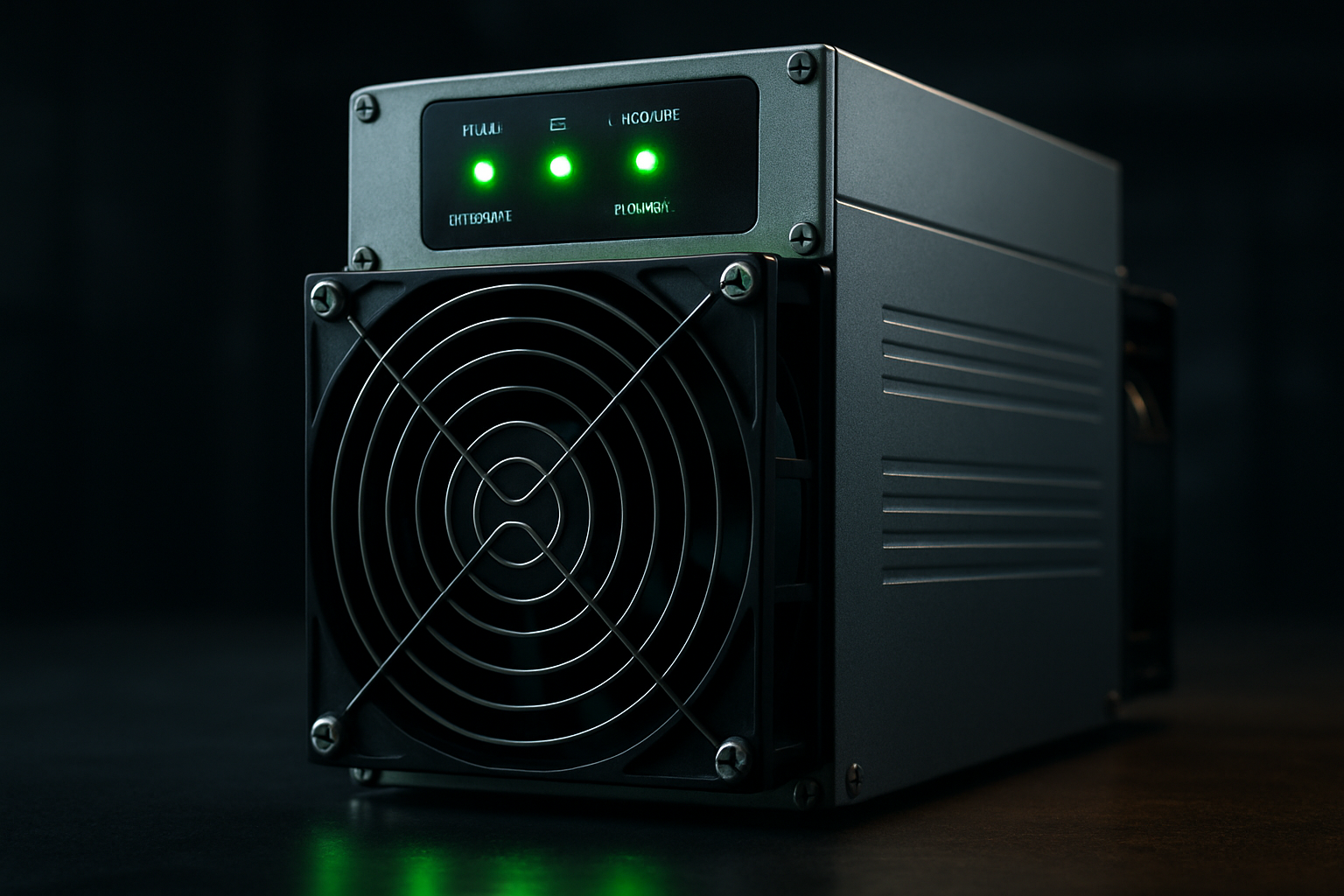
Bitmain (Antminer)
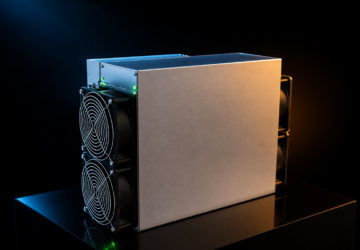
Компания Bitmain, основанная в 2013 году, является крупнейшим в мире производителем ASIC-майнеров по количеству отгруженных устройств. Ее линейка продуктов Antminer охватывает Bitcoin (SHA-256), Litecoin/Dogecoin (Scrypt), Zcash (Equihash), Ethereum Classic (Etchash) и ряд других алгоритмов. Ключевое преимущество компании – широкий ассортимент: если вы занимаетесь майнингом какой-либо крупной криптовалюты с алгоритмом Proof-of-Work, у Bitmain, скорее всего, найдется для этого специализированный майнинговый аппарат.
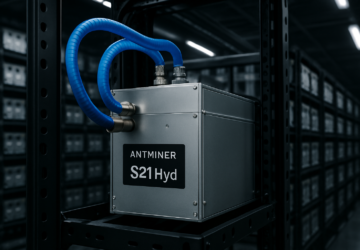
К числу современных флагманских моделей для майнинга биткоинов относятся серии S21 (с воздушным охлаждением) и S23 Hydro (с жидкостным охлаждением). Для майнинга альткоинов Antminer Z15 Pro и Z15 — обе модели от Equihash, ориентированные на Zcash — входят в число самых прибыльных ASIC-майнеров, доступных в 2026 году, по чистому ежедневному доходу и сроку окупаемости.
MicroBT (Whatsminer)
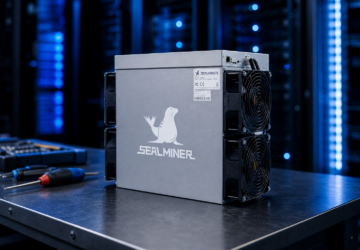
Компания MicroBT вышла на рынок в 2016 году и позиционирует себя как достойная альтернатива Bitmain, особенно для высокопроизводительного майнинга биткоинов. Машины серии Whatsminer M построены на основе алгоритма SHA-256 и доступны в вариантах с воздушным и гидроохлаждением. Ассортимент MicroBT уже, чем у Bitmain: компания почти исключительно специализируется на биткоинах и не предлагает оборудование для алгоритмов альткоинов.
В настоящее время доступны следующие модели: M79S Hydro (1.35 PH/s) и M7DS Hydro (680 TH/s). Обе представляют собой установки с гидроохлаждением корпоративного класса, предназначенные для крупномасштабных операций, требующих специализированной инфраструктуры жидкостного охлаждения.
Майнинг биткоинов: Antminer S23 Series против Whatsminer M79S
Для майнеров, ориентированных на добычу биткоинов, наиболее подходящим сравнением является Bitmain S23 Hyd 3U против MicroBT M79S Hydro. Обе являются высокопроизводительными машинами с гидроохлаждением, предназначенными для институционального использования.
Технические характеристики (расположены рядом)
| Спецификация | Antminer S23 Hyd 3U | Whatsminer M79S Гидро |
|---|---|---|
| хэшрейт | 1,160 TH / s | 1,350 TH / s |
| Power Draw | 11,020 W | 20,000 W |
| Эффективность | 9.5 Дж/ТХ | 14.8 Дж/ТХ |
| Цена | $29,800 | $12,100 |
| Валовая суточная выручка | $39.00 | $45.39 |
| Алгоритм | SHA-256 | SHA-256 |
| Тип системы охлаждения | Гидро | Гидро |
Примечание: Валовая суточная выручка по BTC 66 328 долларов США и сложность сети на 26 июня 2026 года. Оба агрегата имеют гидроохлаждение и требуют соответствующей инфраструктуры. См. Калькулятор прибыльности BT-Miners чтобы смоделировать ваш конкретный сценарий.
Рентабельность инвестиций при различных тарифах на электроэнергию
| Тариф на электроэнергию | S23 Hyd 3U Net/Day | S23 Hyd 3U ROI | Гидросеть M79S/День | M79S Hydro ROI |
|---|---|---|---|---|
| $ 0.04 / кВтч | $28.42 | 34.5 месяцев. | $26.19 | 15.2 месяцев. |
| $ 0.07 / кВтч | $20.49 | 47.8 месяцев. | $11.79 | 33.8 месяцев. |
| $ 0.10 / кВтч | $12.55 | 78.1 месяцев. | - $ 2.61 | Работа в убыток |
| $ 0.12 / кВтч | $7.26 | 135.0 месяцев. | - $ 12.21 | Работа в убыток |
| $ 0.15 / кВтч | - $ 0.67 | Работа в убыток | - $ 26.61 | Работа в убыток |
Примечание: Данные основаны на BTC Цены и условия сети по состоянию на 26 июня 2026 года. Обе машины требуют инфраструктуры гидроохлаждения, что увеличивает общую стоимость владения. Сроки окупаемости инвестиций предполагают стабильную работу. BTC Цена и сложность — реальные результаты будут различаться.
Несколько выводов особенно важны. M79S Hydro имеет более низкую стоимость приобретения (12 100 долларов против 29 800 долларов) и более высокий хешрейт, но его потребляемая мощность в 20 000 Вт создает острую зависимость от стоимости электроэнергии. При цене 0.10 доллара за кВт·ч — распространенном показателе на многих рынках — M79S работает в убыток. S23 Hyd 3U остается прибыльным до примерно 0.148 доллара за кВт·ч благодаря значительно лучшей энергоэффективности: 9.5 Дж/ТН против 14.8 Дж/ТН.
Ни одна из этих машин не обеспечивает короткого срока окупаемости при текущих условиях. BTC При цене 0.07 долл./кВтч срок окупаемости составляет 47.8 и 33.8 месяца соответственно. Срок окупаемости M79S Hydro при цене 0.04 долл./кВтч (15.2 месяца) более привлекателен, но это предполагает доступ к очень дешевой электроэнергии, которая недоступна большинству розничных или мелких коммерческих покупателей.
За пределами Биткоина: где у Bitmain нет конкурентов
Наиболее существенное различие между Bitmain и MicroBT в 2026 году заключается не в эффективности или хешрейте, а в охвате алгоритмов. MicroBT производит только машины, использующие SHA-256. Bitmain же выпускает оборудование для работы с несколькими алгоритмами. Превратится ли это разнообразие в существенное преимущество в производительности, зависит от того, какая криптовалюта в данный момент имеет лучшую прибыльность — в настоящее время это ZEC, но ситуация может измениться.
Antminer Z15 Pro (Equihash, Zcash) — это самая производительная модель по чистой ежедневной прибыли и сроку окупаемости среди всего текущего каталога — не только в линейке Bitmain, но и среди всех брендов и алгоритмов. Ее младший брат, Antminer Z15 , занимает второе место по тому же показателю.
Рентабельность инвестиций в Antminer Z15 Pro в зависимости от тарифов на электроэнергию
| Тариф на электроэнергию | Ежедневная стоимость электроэнергии | Чистая прибыль/день | Период окупаемости инвестиций |
|---|---|---|---|
| $ 0.04 / кВтч | $2.67 | $33.89 | 4.5 месяцев. |
| $ 0.07 / кВтч | $4.67 | $31.89 | 4.7 месяцев. |
| $ 0.10 / кВтч | $6.67 | $29.89 | 5.1 месяцев. |
| $ 0.12 / кВтч | $8.01 | $28.55 | 5.3 месяцев. |
| $ 0.15 / кВтч | $10.01 | $26.55 | 5.7 месяцев. |
Примечание: Технические характеристики Z15 Pro: 840 кСоль/с, 2,780 Вт, цена 4,600 долларов. Валовая суточная выручка 36.56 долларов в ZEC 524.85 долларов по состоянию на 26 июня 2026 года. ZEC — это актив с меньшей капитализацией и более высокой волатильностью цен, чем BTCЗначительное снижение цены ZEC соответственно увеличит окупаемость инвестиций. Всегда проводите стресс-тестирование нескольких ценовых сценариев перед покупкой.
Профиль Z15 Pro структурно отличается от любого другого устройства. BTC Доступен уже сегодня майнер. Он потребляет всего 2,780 Вт — по сравнению с 11,020–20,000 Вт у вышеупомянутых майнеров Bitcoin Hydro — поэтому стоимость электроэнергии оказывает гораздо меньшее абсолютное влияние на ежедневную прибыль. При цене 0.15 долл./кВтч Z15 Pro по-прежнему приносит 26.55 долл./день чистой прибыли, в то время как M79S Hydro и S23 Hyd 3U к этому моменту либо убыточны, либо крайне нерентабельны.
Это не преимущество Bitmain в плане эффективности в традиционном смысле: MicroBT просто не предлагает продукт Equihash. В условиях рынка июня 2026 года — ZEC по цене 524.85 долларов и BTC При цене в 66 328 долларов США оборудование Equihash от Bitmain демонстрирует более короткий срок окупаемости и более высокую чистую прибыль в день, чем оборудование для майнинга биткоинов от любой другой марки при тарифах на электроэнергию выше 0.07 доллара США/кВтч. Эта зависимость может измениться, если цена ZEC значительно упадет или BTC Цена резко возрастает по сравнению с ZEC.
Сравнение эффективности майнинга биткоинов
Для покупателей, специализирующихся именно на майнинге биткоинов, ключевым конкурентным показателем является эффективность (Дж/ТГ). Чем ниже, тем лучше.
| Модель | Бренд | хэшрейт | Мощность | Эффективность | Цена |
|---|---|---|---|---|---|
| Antminer S23 Hyd 3U | Bitmain | 1,160 TH / s | 11,020 Вт | 9.5 Дж/ТХ | $29,800 |
| Antminer S23e U2H | Bitmain | 865 TH / s | 8,650 Вт | 10.0 Дж/ТХ | $19,030 |
| Antminer S21e XP Hyd 3U | Bitmain | 860 TH / s | 11,180 Вт | 13.0 Дж/ТХ | $11,500 |
| WhatsMiner M7DS Hydro | МикроБТ | 680 TH / s | 9,200 Вт | 13.5 Дж/ТХ | $19,999 |
| Whatsminer M79S Гидро | МикроБТ | 1,350 TH / s | 20,000 Вт | 14.8 Дж/ТХ | $12,100 |
В BTC В сегменте майнинга текущие модели Bitmain более энергоэффективны, чем предлагаемые в настоящее время устройства Whatsminer. Лидером в сравнении является S23 Hyd 3U с показателем 9.5 Дж/TH. Эта разница в эффективности является основной причиной того, что S23 Hyd 3U выдерживает более высокие тарифы на электроэнергию, прежде чем стать нерентабельным.
Однако более низкая цена приобретения Whatsminer M79S Hydro (12 100 долларов США) означает, что он может обеспечить более быструю окупаемость при очень низких тарифах на электроэнергию (ниже 0.07 доллара США/кВтч), даже при более низкой эффективности. Покупатели, размещающие свои установки на одном объекте с подтвержденными тарифами ниже 0.05 доллара США/кВтч, могут рассмотреть вариант MicroBT с точки зрения общей стоимости владения.
Какую марку вам следует купить? План на 2026 год.
Выберите Bitmain, если:
- Вы готовы к майнингу альткоинов (ZEC, LTC(/DOGE и т. д.) и хотят получить доступ к самому быстро окупаемому оборудованию из доступных.
- Ваш тариф на электроэнергию составляет 0.07 долл./кВтч или выше — оборудование Bitmain для работы с альткоинами остается прибыльным при таких тарифах. BTC Майнеры обеих марок испытывают трудности.
- Вам нужен самый энергоэффективный вариант. BTC майнеров на современном рынке (9.5–10.0 Дж/TH для топовых моделей Antminer)
- Вы предпочитаете разнообразие производителей в различных алгоритмах криптовалют для обеспечения гибкости в будущем.
Рассмотрите возможность использования MicroBT, если:
- У вас есть подтвержденный доступ к электроэнергии по цене ниже 0.07 долл. США/кВт·ч через промышленное предприятие или соглашение о совместном размещении оборудования.
- Вы занимаетесь исключительно майнингом биткоинов, и основным ограничением является стоимость приобретения PH/s (12 100 долларов за 1.35 PH/s через M79S Hydro — это низкая цена за хеш).
- Вы создаёте крупномасштабную систему хеширования, где плотность пропускной способности важнее, чем энергоэффективность на единицу ресурса.
Выводы
В 2026 году наиболее важным фактором при выборе ASIC-майнера является не производитель, а алгоритм майнинга. Для покупателей с затратами на электроэнергию выше 0.07 долл./кВтч, оценивающих окупаемость инвестиций, MicroBT в настоящее время не предлагает оборудование Equihash, оставляя Bitmain единственным вариантом в этом сегменте. Для предприятий, работающих исключительно с биткоинами и имеющих доступ к очень дешевой электроэнергии, цены MicroBT могут быть привлекательными, хотя высокое энергопотребление M79S Hydro несет в себе существенный риск снижения стоимости в случае изменения тарифов на электроэнергию. BTC снижение цен.
Ключевые риски, которые необходимо учитывать
- Волатильность цен на монеты: Более высокая краткосрочная рентабельность инвестиций ZEC зависит от текущих цен. ZEC — это актив с меньшей капитализацией, имеющий историю более значительных колебаний цен, чем другие компании. BTCСнижение цены на ZEC на 40–50% значительно увеличит срок окупаемости Z15 Pro.
- Сложность сети: По мере подключения всё большего числа майнеров Equihash сложность майнинга ZEC может возрасти, что со временем приведёт к снижению дохода на одного майнера.
- BTC тенденция сложности: BTC В конце июня 2026 года хешрейт сети достиг 979.2 EH/s, при этом ожидается, что сложность увеличится примерно на 6.96% в следующую эпоху, что приведет к дальнейшему сжатию сети. BTC маржа майнеров, если только BTC Цена растет пропорционально.
- Жизненный цикл оборудования: Как правило, срок службы ASIC-майнеров составляет 3–5 лет. Оборудование, приобретаемое сегодня по завышенным ценам, может столкнуться с конкуренцией со стороны более эффективных моделей следующего поколения.
- Затраты на инфраструктуру: Для работы гидроохлаждаемых установок обеих марок требуется специальная система охлаждения, что увеличивает общие капитальные затраты сверх стоимости покупки.
Воспользуйтесь калькулятором рентабельности BT-Miners , чтобы смоделировать ваши конкретные тарифы на электроэнергию и выбранное оборудование с учетом текущих рыночных условий, прежде чем принимать решение о покупке.
Заключение
Дискуссия о том, что лучше — Bitmain или MicroBT, — действительно существует, но её исход зависит от того, какую криптовалюту вы собираетесь майнить. Обе компании производят коммерчески используемое оборудование, которое надёжно работает в больших масштабах. Существенные различия заключаются в охвате алгоритмов и, в случае Биткоина, в энергоэффективности — и эти различия имеют значительные финансовые последствия при текущих ценах и уровнях сложности.
Для покупателей в 2026 году отправной точкой является криптовалюта, а не бренд. Если ответ — Bitcoin с очень низкими затратами на электроэнергию, оцените оба бренда с точки зрения общей стоимости владения. Если вы хотите получить наилучшую окупаемость инвестиций при умеренных тарифах на электроэнергию и не привязаны к какой-либо конкретной криптовалюте, то каталог альткоинов Bitmain — и Antminer Z15 Pro в частности — это то, на что наиболее четко указывают текущие данные.