Por que os mineradores de Bitcoin estão transformando energia em computação de IA?
Os mineradores de Bitcoin não competem mais apenas em poder de processamento (hashrate). Eles competem em portfólios de energia. A CleanSpark deixou isso bem claro em 14 de julho de 2026, quando anunciou um contrato de arrendamento de infraestrutura de 20 anos em seu campus em Sandersville, Geórgia, que deve gerar cerca de US$ 6.6 bilhões em receita contratada, ou até US$ 11.6 bilhões se as opções de extensão forem exercidas.
A manchete fala sobre IA e computação de alto desempenho, mas a lição para a mineração é mais ampla. Quando o preço do hash está comprimido e a dificuldade permanece volátil, as empresas de mineração mais valiosas não são simplesmente aquelas com o maior número de ASICs. São aquelas com energia confiável, infraestrutura robusta, capital flexível e a capacidade de escolher entre minerar Bitcoin e vender capacidade computacional.
Para os clientes da BT-Miners, isso não significa que a mineração ASIC acabou. Significa que a decisão de compra mudou. A compra de um minerador em 2026 deve ser avaliada pelo custo de energia, confiabilidade da hospedagem, eficiência da máquina, cronograma de implantação e proteção contra perdas, e não apenas pelo hashrate anunciado.
O que a CleanSpark anunciou
A CleanSpark anunciou a assinatura de um contrato de arrendamento de infraestrutura de 20 anos com uma empresa global de tecnologia de alto nível de investimento para 175 MW de carga crítica de TI em seu campus de Sandersville. As entregas devem começar no quarto trimestre de 2027. O mesmo locatário também assinou uma carta de intenções e um acordo de exclusividade que abrange o portfólio da CleanSpark no Texas, que a empresa descreveu como até 885 MW de capacidade de energia garantida e planejada.
A estrutura importa. A CleanSpark não está apenas vendendo Bitcoin minerado. Ela está monetizando terrenos, acesso à energia, capacidade de desenvolvimento e infraestrutura de data center. A empresa também informou, em sua atualização operacional de junho de 2026, que detinha 13,924 Bitcoins. BTC e operou com 50 EH/s de hashrate. Em outras palavras, não se trata de um minerador abandonando o Bitcoin. Trata-se de um minerador adicionando outra forma de monetizar o mesmo recurso escasso: energia.
Tanto o The Block quanto a Bloomberg noticiaram a transação como uma grande mudança para uma mineradora de Bitcoin listada na bolsa de valores. Os investidores reagiram porque o acordo aponta para uma receita contratada de maior duração, enquanto a receita da mineração ainda oscila de acordo com o preço do Bitcoin, a dificuldade da rede, as taxas de transação e o preço do hash.
Por que isso está acontecendo agora
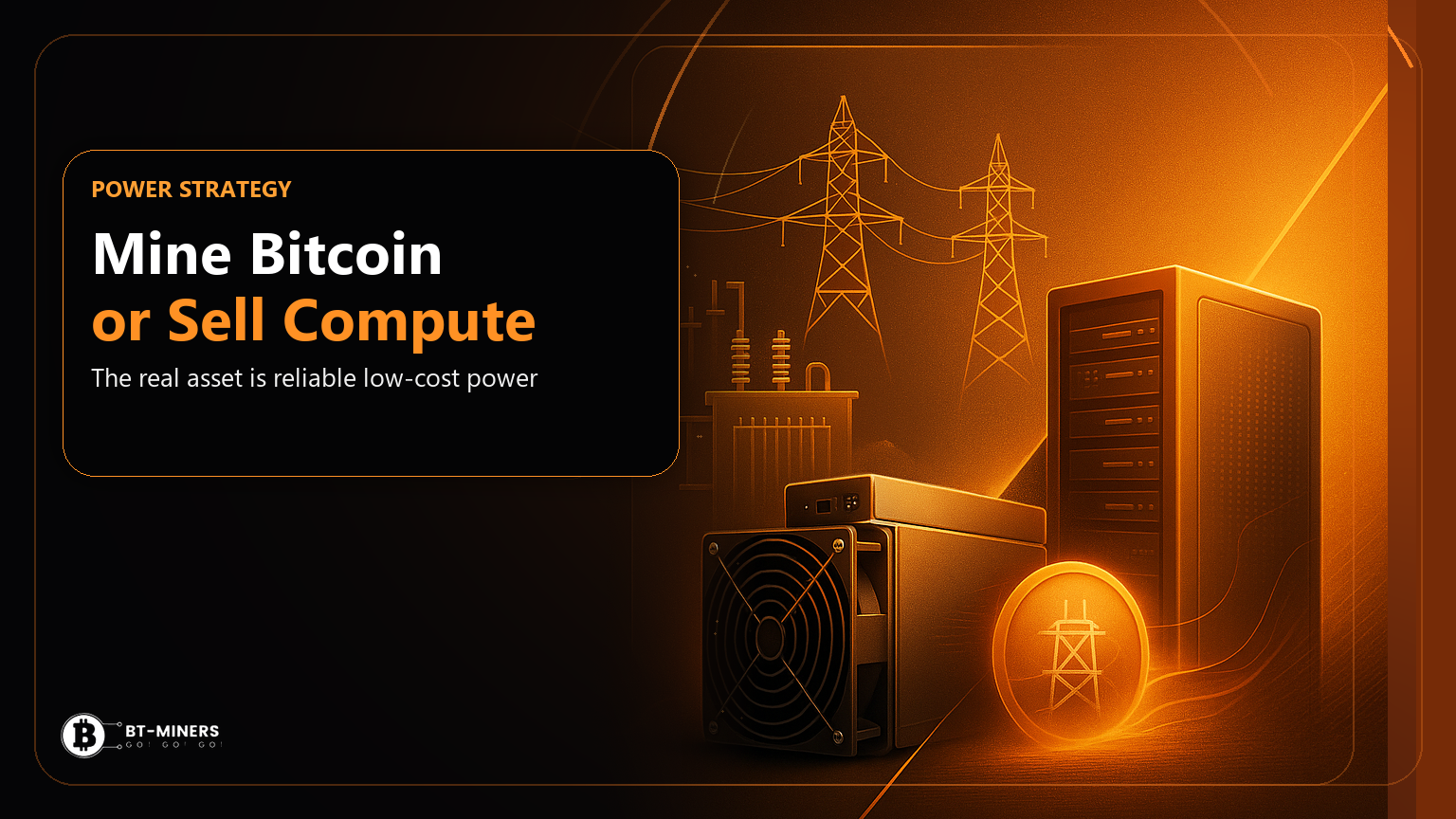
A escolha do momento não é aleatória. A economia da mineração de Bitcoin tem estado apertada. O Hashrate Index informou em 13 de julho que o preço do hash em USD subiu para cerca de US$ 30.88 por PH/s/dia, um aumento em relação à semana anterior, mas ainda em um ambiente de baixa margem para muitas frotas. O Bitcoin.com relatou que o ajuste de dificuldade de 11 de julho reduziu a dificuldade em 5%, para cerca de 127.17 trilhões, após a queda do hashrate.
Um corte na dificuldade beneficia os mineradores porque cada unidade de poder computacional gera mais Bitcoin quando há menos concorrentes online. Mas esse alívio pode ser temporário. Se o poder computacional aumentar, o próximo ajuste pode eliminar a vantagem. É por isso que os operadores de mineração buscam opções. Se o mesmo megawatt puder suportar mineração de Bitcoin, infraestrutura de IA ou um contrato de computação diferente, o proprietário terá mais maneiras de sobreviver a ciclos de mineração fracos.
Essa é a mudança fundamental: o poder de processamento (hashrate) é móvel, mas bons servidores de energia não. Os ASICs podem ser comprados, vendidos, hospedados ou substituídos. Interconexão, terrenos, relações com a rede elétrica, planos de refrigeração, licenças e contratos de energia são mais difíceis de recriar.
O verdadeiro ativo é energia confiável e de baixo custo.
Durante anos, os mineradores falavam primeiro sobre as máquinas: terahashes, joules por terahash, firmware e cronogramas de entrega. Esses fatores ainda importam. Mas o acordo com a CleanSpark mostra por que os operadores sérios agora começam pelo site.
Um site robusto apresenta diversas vantagens:
- Visibilidade do preço da energia. Custos de energia mais baixos e previsíveis oferecem aos mineradores mais margem de manobra quando o preço do hash cai.
- Confiabilidade da rede elétrica. O tempo de atividade tem valor econômico direto, pois os mineradores não ganham nada enquanto estão offline.
- Prontidão para alta densidade. Os clientes de IA e HPC exigem infraestruturas diferentes, mas tanto a mineração quanto o HPC recompensam os sites que conseguem dissipar muita energia e calor de forma eficiente.
- Flexibilidade. Um site que suporta múltiplos usos computacionais possui melhor proteção contra perdas do que um site projetado para um único mercado.
- Acesso ao capital. Receitas contratadas a longo prazo podem facilitar o financiamento em comparação com receitas de mineração puramente pontuais.
Para mineradores menores, a lição é mais simples: seu contrato de energia faz parte do seu minerador. Um ASIC altamente eficiente, operando em um local caro ou pouco confiável, pode ter desempenho inferior a uma máquina mais antiga em um local melhor.
A mudança de foco para a IA prejudica a mineração com ASICs?
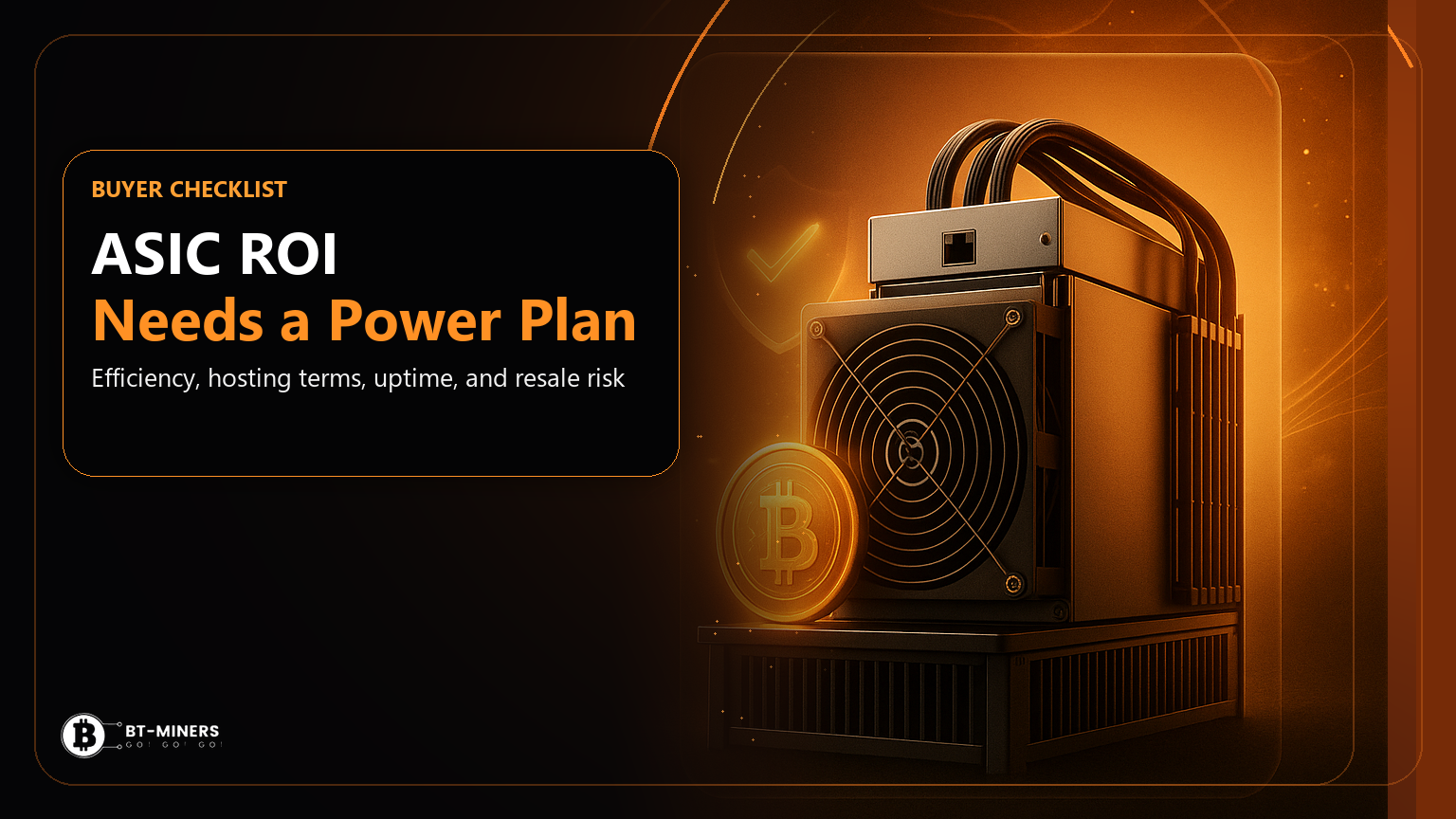
Não diretamente. Isso não elimina a demanda por mineração de Bitcoin, nem torna os ASICs obsoletos. O Bitcoin ainda requer ASICs SHA-256, e servidores de IA não podem substituir essa função. A mudança tem mais a ver com alocação de capital do que com substituição de hardware.
No entanto, isso pode mudar o mercado de mineração de diversas maneiras:
- A competição pelo poder pode aumentar. Centros de dados de IA e mineradores de Bitcoin podem competir pelos mesmos corredores de energia de baixo custo.
- Os termos de hospedagem podem se tornar mais rigorosos. Operadoras com sites valiosos podem preferir clientes que se comprometam por períodos mais longos ou paguem taxas mais previsíveis.
- Os ASICs mais antigos enfrentam maior pressão. Se um site puder obter melhores retornos com infraestrutura de IA, os mineradores de baixa eficiência podem perder prioridade nos racks.
- Mineradores eficientes tornam-se cada vez mais importantes. Hardware com capacidade inferior a 15 J/TH tem maior probabilidade de sobreviver quando a energia é escassa e o preço do hash é baixo.
- O valor de revenda torna-se mais cíclico. Máquinas com margens de lucro reduzidas podem ter seus preços ajustados rapidamente se a capacidade de hospedagem ficar escassa.
É por isso que os compradores devem comparar máquinas usando dados econômicos reais em vez de suposições fixas. O rastreador de renda diária da BT-Miners é um ponto de partida útil, pois força o comprador a olhar além da ficha técnica.
O que os compradores de ASIC devem fazer de diferente
O anúncio da CleanSpark é um lembrete útil de que a compra de ASICs é, na verdade, planejamento de infraestrutura. Antes de fazer um pedido, os compradores devem responder a cinco perguntas.
1. Qual é a tarifa real de eletricidade fornecida?
Utilize o custo total, não apenas o preço anunciado da energia. Inclua a margem de lucro da hospedagem, perdas no transformador, refrigeração, redução de geração, taxas de rede, depósitos e estimativas de tempo de inatividade. Um pequeno erro no custo da energia pode anular a diferença entre dois modelos de ASIC.
2. O minerador é eficiente o suficiente para preços de hash mais baixos?
Modele pelo menos três cenários de preço de hash. Um cenário base não é suficiente. Use um cenário desfavorável que assuma um preço de Bitcoin mais baixo ou uma dificuldade maior e verifique se a máquina ainda cobre os custos de energia e hospedagem. Os modelos modernos de SHA-256, como o Bitmain Antminer S21 Pro e o Bitmain Antminer S23, existem porque a eficiência é a margem de segurança que mantém um minerador online em mercados difíceis.
3. Quão estável é o site de hospedagem?
Pergunte sobre o histórico de tempo de atividade, a confiabilidade da fonte de energia, as janelas de manutenção, a política de redução de produção, o monitoramento remoto, o controle de firmware e a visibilidade dos pagamentos. Hospedagem não é apenas um lugar para conectar um minerador. É o ambiente operacional que determina se a máquina gera lucros de forma consistente.
4. O local suporta o método de resfriamento?
Os sistemas de mineração com resfriamento a ar, resfriamento hidráulico e imersão têm requisitos diferentes. Os mineradores com resfriamento hidráulico podem oferecer excelente densidade e eficiência, mas precisam de um projeto de instalação adequado. Os compradores que comparam unidades com resfriamento hidráulico devem consultar o guia de mineradores de Bitcoin com resfriamento hidráulico da BT-Miners antes de presumir que uma unidade de alta taxa de hash seja adequada para todos os locais.
5. Qual é o plano de saída?
Toda compra de ASIC deve incluir um plano de revenda ou realocação. Se a capacidade de hospedagem se tornar escassa devido à demanda por servidores dedicados à IA, máquinas com maior eficiência e demanda mais ampla serão mais fáceis de realocar.
O que isso significa para mineradores domésticos e de pequenas propriedades rurais
A maioria dos pequenos mineradores não está negociando concessões de 175 MW. Mas a mesma lógica se aplica em menor escala. O minerador doméstico ou de pequena propriedade rural ainda precisa pensar como um comprador de infraestrutura.
- Não compre apenas a máquina mais barata. Compre a máquina que se adequa à sua necessidade de energia e ao gerenciamento térmico.
- Não assuma que um bom ajuste de dificuldade resolva o problema do retorno sobre o investimento. O alívio da dificuldade pode ter efeitos negativos.
- Não trate a hospedagem como algo intercambiável. Um host confiável pode ser tão importante quanto o modelo do ASIC.
- Não ignore a liquidez. Modelos populares e eficientes são mais fáceis de revender ou reimplantar.
- Não construa em excesso sem monitoramento. O desempenho da piscina, o tempo de atividade, o firmware e os dados de temperatura devem ser verificados regularmente.
Na prática, isso significa que um comprador menor pode ser melhor atendido por uma máquina eficiente em um local confiável do que por várias unidades mais antigas que só funcionam em uma planilha otimista.
Uma estrutura prática para a próxima ordem da ASIC
Utilize esta estrutura antes de comprar ou atualizar:
| Área de Decisão | Pergunta a fazer | Por que isso importa |
|---|---|---|
| Energia | Qual é o custo total, incluindo eletricidade e hospedagem? | O custo da energia determina se a fraqueza do preço do hash se transforma em prejuízo. |
| Avançada | Qual é o valor de J/TH e a taxa de equilíbrio? | A eficiência protege o tempo de atividade quando as dificuldades aumentam. |
| Local | Quão confiável é a instalação? | O tempo de inatividade reduz a receita efetiva, mesmo que a máquina seja lucrativa no papel. |
| Resfriamento | A instalação suporta esse tipo de minerador? | Mineradores hidráulicos e de imersão precisam de infraestrutura compatível. |
| Flexibilidade | A máquina pode ser movida ou revendida? | As condições de mercado e a disponibilidade de hospedagem podem mudar rapidamente. |
O objetivo não é copiar as maiores mineradoras de capital aberto. O objetivo é aprender com o comportamento delas. Enquanto as operadoras profissionais valorizam a flexibilidade no fornecimento de energia, os compradores menores não devem tratar a eletricidade e a hospedagem como algo secundário.
ponto de partida
O contrato de arrendamento da infraestrutura de IA da CleanSpark não sinaliza o fim da mineração de Bitcoin. Sinaliza um mercado de mineração mais maduro, onde o acesso à energia, a qualidade do local e a flexibilidade de receita importam mais do que o crescimento bruto do hashrate.
Para compradores de ASICs, a melhor resposta é a modelagem disciplinada. Compare máquinas, mas também compare sites. Teste o preço do hash sob carga, mas também teste o tempo de atividade sob carga. Observe a receita diária, mas também pergunte se o minerador consegue sobreviver a um ciclo de baixa atividade. Em 2026, a compra mais inteligente de um ASIC não será simplesmente a máquina mais rápida. Será a máquina que se adequa à estratégia de consumo de energia.
Perguntas frequentes
Por que os mineradores de Bitcoin estão migrando para data centers de IA?
Os mineradores de Bitcoin estão migrando para data centers de IA porque ambos os negócios precisam de grandes quantidades de energia confiável e infraestrutura de alta densidade. Os contratos de locação de IA podem fornecer receita contratada a longo prazo, enquanto a receita da mineração de Bitcoin depende mais diretamente do preço do Bitcoin, da dificuldade, das taxas de transação e do preço do hash.
Será que a computação por IA torna os mineradores ASIC obsoletos?
Não. Servidores de IA não podem minerar Bitcoin, e o Bitcoin ainda requer hardware ASIC SHA-256. A mudança para IA altera a forma como algumas empresas monetizam usinas de energia, mas não elimina a necessidade de mineradores ASIC na rede Bitcoin.
O que os compradores da ASIC devem aprender com o contrato de arrendamento da CleanSpark?
Os compradores de ASICs devem se concentrar no plano de energia completo: custo da eletricidade, confiabilidade da hospedagem, compatibilidade com refrigeração, tempo de atividade e eficiência da máquina. O contrato de locação da CleanSpark demonstra que o local e o contrato de energia podem ser tão importantes quanto a própria mineradora.
Ainda vale a pena comprar mineradores de Bitcoin eficientes em 2026?
Mineradores de Bitcoin eficientes ainda podem ser vantajosos quando o comprador dispõe de eletricidade a preços competitivos, hospedagem confiável e projeções conservadoras de retorno sobre o investimento (ROI). Modelos com maior eficiência em J/TH têm mais espaço para sobreviver a períodos de preços de hash baixos.
Como as mineradoras devem modelar a lucratividade após a mudança para data centers com foco em IA?
Os mineradores devem executar simulações para cenários base, de queda e de recuperação, considerando o preço atual do hash, as mudanças esperadas na dificuldade, o custo total de energia, as taxas de hospedagem, o tempo de atividade, as taxas da pool e as projeções de revenda. Uma estimativa de receita fixa não é suficiente.
Fontes verificadas
- CleanSpark: Anúncio de contrato de arrendamento de 20 anos em Sandersville, 14 de julho de 2026
- CleanSpark: Atualização operacional de junho de 2026
- The Block: Cobertura de arrendamento de data center da CleanSpark
- Índice de Hashrate: resumo da mineração em 13 de julho de 2026
- Bitcoin.com: Ajuste de dificuldade do Bitcoin em 11 de julho
Este artigo tem caráter educativo e não constitui aconselhamento financeiro. A rentabilidade da mineração varia de acordo com o preço do Bitcoin, a dificuldade da mineração, as taxas de transação, o desempenho da pool, o custo da energia, os termos de hospedagem, o preço do hardware e o tempo de atividade.