XBT (BTCB2) Mining-Leitfaden: Blake2b-Miner, Pools und Rentabilität
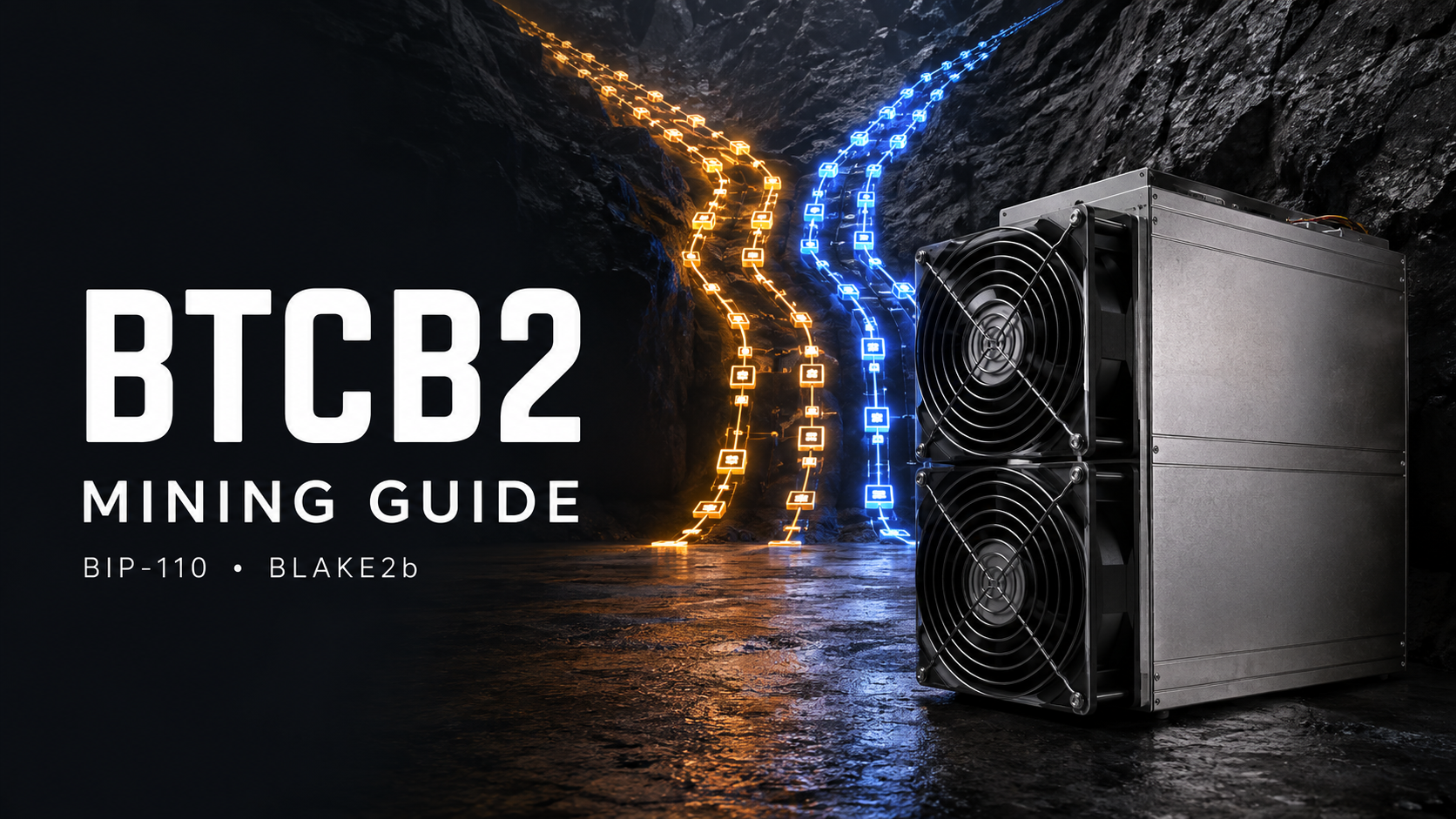
Statushinweis: Dieser Artikel spiegelt öffentlich verfügbare Informationen wider, die am 8. September 2026 geprüft wurden. Das Netzwerk ist jung, und seine Software, Hashrate, Pools, Märkte und Wirtschaftlichkeit können sich schnell ändern.
Namensänderungs-Update – 16. September 2026: In diesem Leitfaden bezieht sich XBT auf den Bitcoin-Fork BLAKE2b, der auch als BLAKE2b bezeichnet wird. BTCB2 wird von einigen Mining-Pools und -Diensten verwendet. Es ist vom SHA-256-Netzwerk von Bitcoin getrennt. Da XBT auch andernorts als Bitcoin-Ticker verwendet wird, identifizieren Sie das Netzwerk anhand seines BLAKE2b-Kontexts und der Netzwerkdokumentation des Anbieters, nicht allein anhand des Tickers. Diese Namensprüfung aktualisiert nicht die unten aufgeführten Hardware-, Pool-Einstellungen- oder Rentabilitätsdaten vom 8. September.
BTCB2-Mining bezieht sich hier auf das Mining der unabhängigen BLAKE2b-Chain, die aus der BIP-110-Aufspaltung hervorgegangen ist. Zuvor AlphaPool verwendete Dokumentation BTCB2; auf der Homepage wird nun XBT für diesen BLAKE2b-Zweig angezeigt, wie in der untenstehenden datierten Namenskarte verzeichnet. Andere Standorte verwenden Bezeichnungen wie BTC BLAKE2b, daher ist die Namensgebung noch nicht einheitlich. BTCB2 ist nicht BTC im SHA-256-Netzwerk von Bitcoin.
Diese Unterscheidung gilt auch für den Vorschlag selbst. Der ursprüngliche BIP-110-Vorschlag ersetzte den Mining-Algorithmus von Bitcoin nicht. Stattdessen schlug er einen temporären Soft Fork vor, der bestimmte Datenfelder einschränkte. Nur die spätere Abspaltung der Blockchain erfolgte durch den Wechsel von SHA-256d zu BLAKE2b.
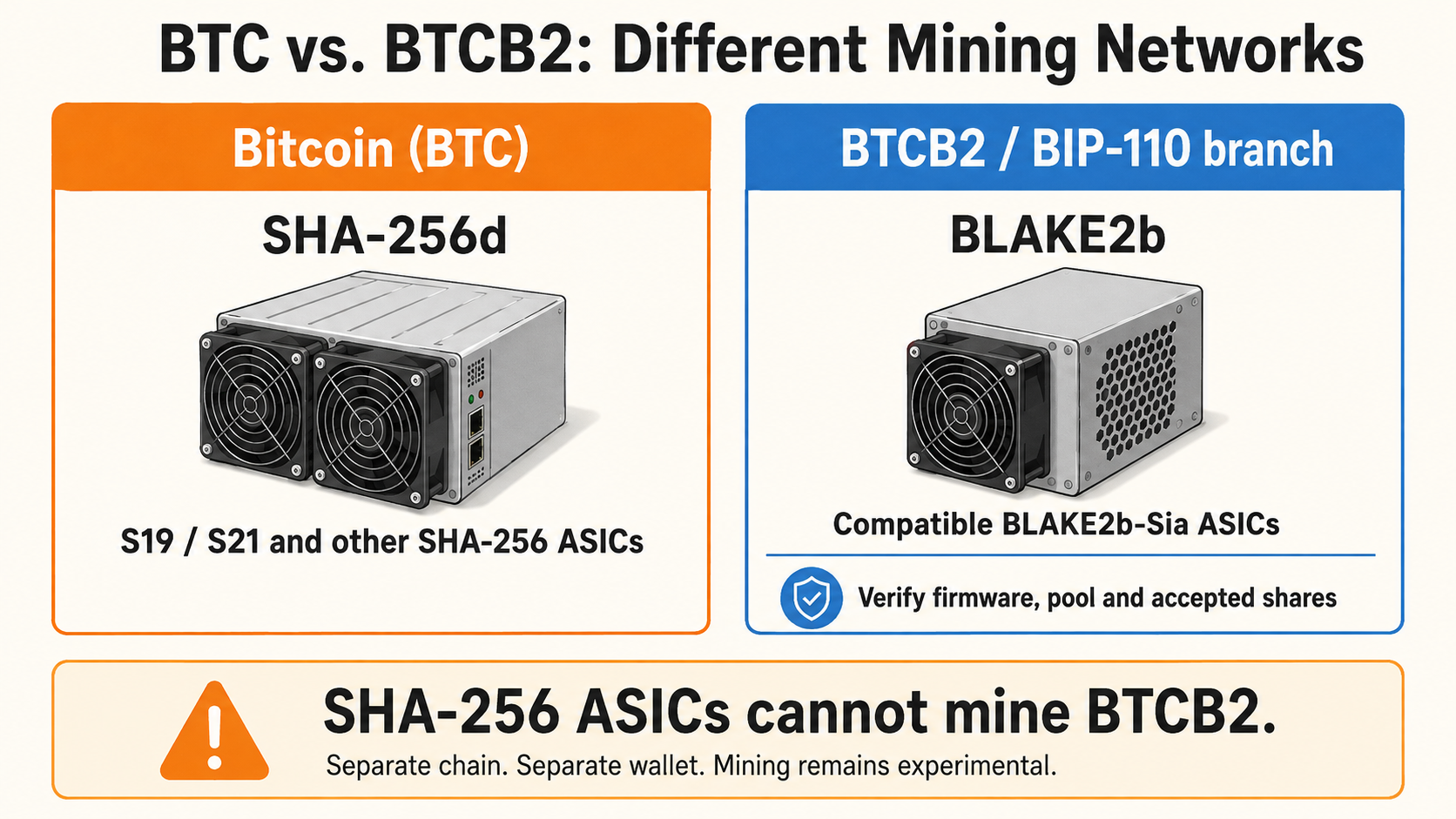
Dieser Unterschied ist für jeden Miner relevant. Ein Bitcoin S19 oder WhatsMiner kann nicht einfach den Mining-Pool wechseln und diese Blockchain minen. Ältere Sia-ASICs hingegen können sich ohne Firmware-Update verbinden. Hardware-Kompatibilität allein macht eine Kryptowährung jedoch weder liquide noch profitabel oder risikoarm.
Dieser XBT (BTCB2) Der Mining-Leitfaden erklärt die Aufteilung, die Algorithmusänderung, kompatible Miner, verfügbare Pools und die vor dem Mining durchzuführenden Prüfungen.
BIP-110 war ein Soft-Fork-Vorschlag, kein neuer Mining-Algorithmus.
Die ursprüngliche BIP-110-Spezifikation trug den Titel „Reduced Data Temporary Softfork“. Sie zielte darauf ab, bestimmte Formen beliebiger Daten auf der Konsensschicht für etwa ein Jahr nach der Aktivierung einzuschränken.
Der Vorschlag behielt den SHA-256d-Proof-of-Work von Bitcoin bei. Daher sollten die BIP-110-Signalisierung und die spätere BLAKE2b-Blockchain nicht als dasselbe technische Ereignis betrachtet werden.
Die Unterstützung der Miner für die vorgeschlagene Aktivierung blieb sehr gering. Infolgedessen fiel der Zweig, der BIP-110 durchsetzte, hinter die dominante Bitcoin-Blockchain zurück. Die Befürworter führten daraufhin eine unabhängige Chain weiter und implementierten eine dauerhafte Änderung des Proof-of-Work-Mechanismus. Damit wurde das Projekt von einem temporären Soft-Fork-Regelwerk zu einer Hard-Fork-Chain.
Wie der BIP-110-Fork seinen Mining-Algorithmus verändert hat
Laut der technischen Referenz der Blockchain teilt dieser Zweig die Bitcoin-Historie bis Block 961,631. Bis Block 961,639 wurde SHA-256d verwendet. Ab Block 961,640 wurde dauerhaft auf BLAKE2b mit einem neuen 164-Byte-Header-Format umgestellt.
Die Änderung hat mehrere direkte Auswirkungen:
- SHA-256 Bitcoin ASICs können keinen gültigen Proof-of-Work für die neue Blockchain erzeugen.
- BLAKE2b und viele BLAKE2b-Sia-Geräte können über kompatible Pool-Software teilnehmen.
- Die neue Blockchain teilt nicht mehr das umfangreiche SHA-256-Sicherheitsbudget von Bitcoin.
- Schwierigkeitsgrad, Block-Timing und Mining-Einnahmen können bei geringer Hashrate volatil bleiben.
Das angestrebte Blockintervall bleibt bei 600 Sekunden. Ein Zielwert ist jedoch keine Garantie. In einem kleinen, neuen Netzwerk können abrupte Hashrate-Änderungen zu ungewöhnlich schnellen oder langsamen Blockzeiten zwischen den Schwierigkeitsanpassungen führen.
Welche ASIC-Miner können minen? BTCB2?
Die vorliegenden Daten wurden am 8. September 2026 geprüft. Es handelt sich um eine Überprüfung veröffentlichter Projekt-, Pool- und Hardwareinformationen. Es werden keine Tests bezüglich BT-Miner-Verbindungen, akzeptierten Anteilen, gutgeschriebenen Belohnungen oder Auszahlungen durchgeführt.
Kompatibilitätskennzeichnungen: „BT-Miners getestet“ erfordert einen eindeutigen Testdatensatz aus dem Speicher; „Pool/Projekt gelistet“ bedeutet, dass das genaue Modell in der aktuellen Dokumentation genannt ist; „Verifizierung ausstehend“ bedeutet, dass nur Nachweise zum Algorithmus oder zur Spezifikation vorliegen; „Nicht kompatibel“ erfordert explizite Nachweise über inkompatible Hardware/Protokolle. Kein in diesem Testbericht vorgestelltes Gerät ist als „BT-Miners getestet“ gekennzeichnet.
| Exaktes Modell | BTCB2-Nachweisstatus | Nachweise und Grenzen – geprüft am 8. September 2026 |
|---|---|---|
| iBeLink BM-S3+ | Pool/Projekt gelistet | AlphaPool nennt explizit BM-S3+ und gibt Port 7777 für seine Sia-Firmware an. Quelle |
| iBeLink BM-S3 | Pool/Projekt gelistet | B2Pool nennt explizit BM-S3. Die kombinierte Zeile für BM-S3/BM-S3+ zeigt 4.4 TH/s an, was im Widerspruch zu dieser Auflistung steht; verwenden Sie diese Pooltabelle nicht als Hardware-Spezifikation. Quelle |
| Goldshell SC Lite | Pool/Projekt gelistet | Im Projekt-Miner-Leitfaden wird Goldshell SC Lite ausdrücklich erwähnt. Quelle |
| Goldshell SC5 Pro | Pool/Projekt gelistet | Im Projekthandbuch wird Goldshell SC5 Pro ausdrücklich erwähnt. Diese Information gilt jedoch nicht für SC5 Pro II oder aufgerüstete Varianten. Quelle |
| Goldshell SC5 Pro II | Ausstehende Überprüfung | Nur Algorithmus-/Speicherspezifikation; Test des exakten Modells steht noch aus. Quelle |
| Goldshell SC6 SE | Ausstehende Überprüfung | Nur Algorithmus-/Speicherspezifikation; Test des exakten Modells steht noch aus. Quelle |
| Goldshell SC-BOX | Pool/Projekt gelistet | AlphaPool nennt SC-BOX. Dies ist kein Beweis für SC-BOX II. Quelle |
| Goldshell SC-BOX II | Ausstehende Überprüfung | Nur Algorithmus-/Speicherspezifikation; Test des exakten Modells steht noch aus. Quelle |
| iBeLink BM-S1 Max | Ausstehende Überprüfung | Nur Algorithmus-/Speicherspezifikation; Test des exakten Modells steht noch aus. Quelle |
| iBeLink BM-S1 | Ausstehende Überprüfung | Nur Algorithmus-/Speicherspezifikation; Test des exakten Modells steht noch aus. Quelle |
| Goldschale HS5 | Pool/Projekt gelistet | AlphaPool nennt HS5 explizit im Sia-Modus. Der Handshake-Modus ist nicht der BTCB2-Mining-Modus. Quelle |
| Goldschale HS6 | Ausstehende Überprüfung | Nur Algorithmus-/Speicherspezifikation; Test des exakten Modells steht noch aus. Quelle |
| Goldshell HS6 SE | Ausstehende Überprüfung | Nur Algorithmus-/Speicherspezifikation; Test des exakten Modells steht noch aus. Quelle |
| Goldshell HS Lite | Ausstehende Überprüfung | Nur Algorithmus-/Speicherspezifikation; Test des exakten Modells steht noch aus. Quelle |
| Goldshell HS-BOX | Ausstehende Überprüfung | Nur Algorithmus-/Speicherspezifikation; Test des exakten Modells steht noch aus. Quelle |
| Goldshell HS-BOX II | Ausstehende Überprüfung | Nur Algorithmus-/Speicherspezifikation; Test des exakten Modells steht noch aus. Quelle |
Vergleichen Sie XBT (BTCB2) Mineroptionen · Shop Siacoin Miner · BLAKE2b-Hardware durchsuchen · Fragen Sie BT-Miners nach Ihrem genauen Modell und Ihrer Firmware.
HS-Modelle benötigen ihren Sia-Modus. Vergleichen Sie nicht die Hashrate oder den Stromverbrauch im Handshake-Modus mit den Werten im Sia-Modus. BLAKE2 und BLAKE3 sind unterschiedliche Algorithmen und nicht austauschbar. BTCB2-Modi.
Die Miner-Anleitung der Blockchain nennt unter anderem die Goldshell SC5 Pro und die Goldshell SC Lite. B2Pool veröffentlicht außerdem eine umfassendere Liste kompatibler Hardware.
Die folgende Tabelle vergleicht praxistaugliche Kandidaten. Die Spezifikationen sind Nennwerte und können je nach Charge, Modus, Zustand und Firmware variieren.
| Bergmann | Nominale Hashrate | Nennleistung | Ungefähre Effizienz | Praktische Beurteilung |
|---|---|---|---|---|
| iBeLink BM-S3+ | 25 TH / s | 3,400 W | 136 J/TH | Niedrigster Energieverbrauch pro Terahash unter diesen Kandidaten; benötigt erheblichen Strom- und Kühlungsaufwand. |
| iBeLink BM-S3 | 19 TH / s | 3,100 W | 163 J/TH | Eine wettbewerbsfähige, moderne Option, aber Anschaffungskosten und Wiederverkaufsmarkt spielen weiterhin eine Rolle. |
| Goldshell SC Lite | 4.4 TH / s | 950 W | 216 J/TH | Niedrigste Gesamtnennleistung unter diesen Kandidaten; attraktiv für eine kleine Pilotanlage mit geeigneter Belüftung und Schalldämmung |
| Goldshell SC5 Pro II | 14 TH / s | 3,300 W | 236 J/TH | Höhere Hashrate und bessere Effizienz im Standardmodus als beim SC5 Pro; Fork-spezifische Firmware und Pool-Kompatibilität müssen noch überprüft werden. |
| Goldshell SC5 Pro | 11 TH / s | 2,820 W | 256 J/TH | Geringerer Gesamtstromverbrauch als beim SC5 Pro II; ein optionaler Energiesparmodus reduziert die Hashrate zugunsten einer verbesserten Effizienz. |
Dies sind Nennwerte, keine Messwerte dieser Gabel. Auf der Hardware-Seite von B2Pool werden BM-S3 und BM-S3+ aktuell unter einem abweichenden Wert von 4.4 TH/s zusammengefasst; die Tabelle verwendet die oben verlinkten Einzelproduktspezifikationen. Im Kettenleitfaden werden Goldshell-Modelle genannt, während AlphaPool explizit die BM-S3+ auflistet. Bitte überprüfen Sie die genaue Firmware und die akzeptierten Shares für jedes Gerät.
Die Effizienz sollte das erste Auswahlkriterium sein. Beispielsweise hat der BM-S3+ einen geringeren Nennenergieverbrauch pro Terahash als der SC Lite, benötigt aber insgesamt deutlich mehr Strom. Dennoch lässt sich der zu erwartende Umsatz nicht allein anhand der Effizienz zuverlässig berechnen. Ein Miner benötigt außerdem Informationen zur aktuellen Netzwerk-Schwierigkeit, zur Blockbelohnung, zur Poolgebühr, zur Verfügbarkeit, zum Coin-Kurs und zu einer verlässlichen Möglichkeit, die Belohnung zu verkaufen oder anderweitig zu verwenden.
Ein genauerer Blick auf die fünf ASIC-Kandidaten
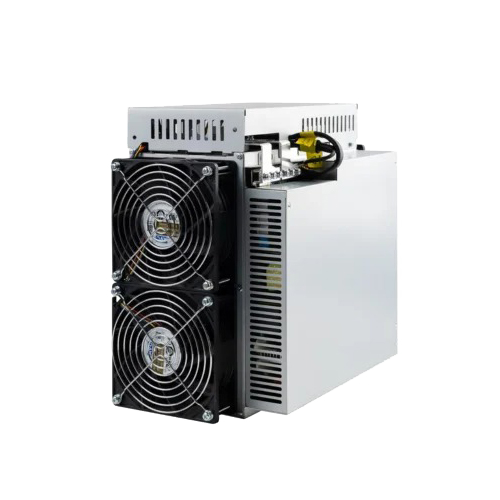
25 TH/s · 3,400 W
19 TH/s · 3,100 W
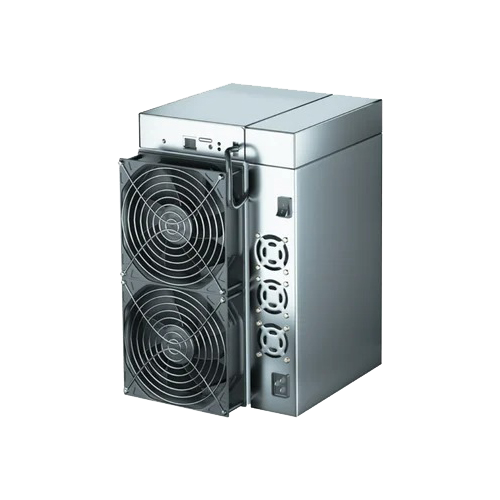
4.4 TH/s · 950 W
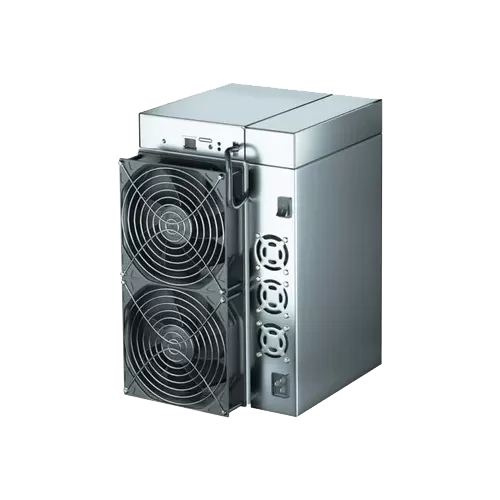
14 TH/s · 3,300 W
11 TH/s · 2,820 W
Die obigen Produktfotos stammen aus den entsprechenden Angeboten von BT-Miners. Einige Angebote zeigen auch Gehäusefotos; diese dienen lediglich der Veranschaulichung und geben weder die genaue Charge noch die Firmware-Version wieder. BTCB2-Kompatibilität. Die angegebenen Werte sind Richtwerte; aktuelle Produktdetails finden Sie unter den jeweiligen Modelllinks.
Goldshell SC5 Pro II vs. SC5 Pro
Die SC5 Pro II erreicht eine Hashrate von 14 TH/s und eine Leistungsaufnahme von 3,300 W, im Vergleich zu 11 TH/s und 2,820 W bei der SC5 Pro im Standardmodus. Daraus ergibt sich eine um etwa 27 % höhere Hashrate bei einem um etwa 17 % höheren Stromverbrauch und einem um etwa 8 % geringeren Energieverbrauch pro Terahash. Diese Angaben basieren auf technischen Daten und stellen keine Messergebnisse oder eine Prognose der Rentabilität dieser Variante dar.
Für Systeme mit begrenzter Leistung bietet sich der Energiesparmodus des SC5 Pro an: 8.8 TH/s bei 2,020 W, was, basierend auf diesen Werten, etwa 230 J/TH entspricht. Dadurch wird der Gesamtstrombedarf reduziert und die nominelle Effizienz im Vergleich zum angegebenen Modus des Pro II leicht verbessert, allerdings auf Kosten einer geringeren Hashrate. Vergleichen Sie vor der Auswahl den genauen Betriebsmodus, die Stromkosten, den Kaufpreis und die verfügbare Schaltungskapazität.
Beide Produktseiten verweisen auf Blake2b-Sia-Hardware. Die Miner-Anleitung der Chain nennt explizit den SC5 Pro, wir haben jedoch die akzeptierten Anteile oder Auszahlungen eines SC5 Pro II auf diesem Fork nicht unabhängig verifiziert. Der Pro II ist daher vorerst als Kandidat zu betrachten, bis die Bestätigung des Pools vorliegt und ein kleiner Test der genauen Firmware, des Stratum-Endpunkts, der akzeptierten Anteile und des Auszahlungsprozesses durchgeführt wurde. Die Siacoin-Pool-Links auf der Produktseite belegen keine Unterstützung für diese separate BIP-110-Chain.
Welche Bitcoin-Miner können es nicht minen?
Bitcoin-ASICs wie die Antminer-Familien S19, S21, T21 und WhatsMiner M50 oder M60 verwenden SHA-256d. Sie können den BLAKE2b-Fork nicht per Firmware-Umschaltung minen, da ihre Hash-Schaltungen für einen anderen Zweck ausgelegt sind.
Ebenso sind Blake2s- und Blake256-Systeme nicht automatisch kompatibel. Ähnliche Namen bedeuten nicht, dass dieselbe Proof-of-Work-Implementierung verwendet wird. Prüfen Sie den genauen Algorithmus und das Pool-Protokoll, bevor Sie eine gemietete oder eigene Hashrate verbinden.
BTCB2-Mining-Pools: B2Pool vs. AlphaPool
Zum Zeitpunkt der Überprüfung wurden zwei öffentliche Pool-Websites identifiziert, die Unterstützung anbieten. Diese Überprüfung bezieht sich auf die veröffentlichten Nutzungsbedingungen und beinhaltet weder praktische Mining- noch Auszahlungstests. Es handelt sich auch nicht um ein vollständiges Pool-Verzeichnis.
| Pool | Modi | Gebühreninformationen | Stärken | Hauptanliegen |
|---|---|---|---|---|
| B2Pool | Gemeinsame TIDES und Solo; bestätigen Sie den aktuellen Endpunkt | 1 % Subvention für gemeinschaftlichen Bergbau | Klare Dokumentation, hardwarespezifische Ports, öffentliche Blockseite, mehrere Regionen | Risiko kleiner Blockchains; Schwankungen bei der Auszahlungsdauer; Shared Mining verteilt nur Subventionen |
| AlphaPool | PPLNS; regionale Stratum-Endpunkte | 2.5 % der beworbenen Gebühr | Regionale Endpunkte und ein dedizierter Sia-Firmware-ASIC-Port | Bitte prüfen Sie die Auszahlungshistorie und die Dokumentation zur Startphase, bevor Sie die Skalierung vornehmen. |
B2Pool wirbt jetzt mit TIDES für Shared Mining: Die Belohnungen richten sich nach einem gleitenden Arbeitsfenster. Die angegebene Gebühr beträgt 1 %, und nur die Subvention wird geteilt. Dies ersetzt die frühere Beschreibung von PROP. Die Website verwendet weiterhin einige ältere Formulierungen zu rundenbasierten Berechnungen; überprüfen Sie daher vor einer Skalierung die aktuelle Abrechnung und die abgeschlossenen Auszahlungen. Solo-Mining bleibt eine separate Option mit hoher Volatilität.
AlphaPool wirbt mit PPLNS, einer Gebühr von 2.5 % und einem Einsatz von 0.01 BTCDie Mindestauszahlung für B2 wird in der zugehörigen Ticker-Notation angegeben. Port 7777 wird für BM-S3+ und andere ASICs mit Sia-Firmware aufgeführt. Die Webseite enthält außerdem noch Formulierungen aus der Einführungsphase. Prüfen Sie daher die aktuellen Einstellungen und eine abgeschlossene Auszahlung, bevor Sie eine relevante Hashrate einsetzen. Die Ticker-Bezeichnungen der Pools geben nicht automatisch die Höhe der Belohnungen an. BTC im SHA-256-Netzwerk.
Historische BIP-110-Signalisierung über OCEAN/DATUM stellt keine aktuelle Pool-Unterstützung für BLAKE2b dar. Die Miner-Anleitung der Blockchain beschreibt stattdessen einen BLAKE2b-fähigen Knoten mit CONVOY DATUM, einschließlich eines Solo-Mining-Pfads. Überprüfen Sie einen expliziten Endpunkt der aktuellen Blockchain, bevor Sie einen Pool als kompatibel einstufen.
Is BTCIst B2-Mining profitabel?
Es liegen noch nicht genügend ausgereifte Marktdaten vor, um eine verlässliche pauschale Aussage treffen zu können. Die erste Frage lautet nicht: „Welcher Minenbetreiber erzielt die höchsten Gewinne?“, sondern: „Lässt sich das abgebauten Gut bewerten und ohne unvertretbares Risiko verkaufen?“
Bevor Sie Hardware kaufen, überprüfen Sie diese sechs Punkte:
- Bestätigen Sie, dass die Kettenspitze vorrückt und dass ein unabhängiger Forscher dies bestätigt.
- Prüfen Sie die aktuellen Pool-Sperren, Auszahlungsaufzeichnungen, Gebühren und Mindestauszahlungsregeln.
- Ermitteln Sie die tatsächlichen Märkte, die Unterstützung für Einlagen, die Unterstützung für Abhebungen, die Markttiefe und den Spread.
- Berechnen Sie die Stromkosten anhand des tatsächlichen Stromverbrauchs, nicht nur anhand der beworbenen Hashrate.
- Verwenden Sie eine neue Wallet und Adresse, die speziell für die abgespaltene Blockchain vorgesehen sind.
- Beginnen Sie mit einem begrenzten Test und stellen Sie sicher, dass die Auszahlungssumme auszahlbar ist, bevor Sie den Umfang erhöhen.
Eine grobe Formel für die tägliche Energiezufuhr ist einfach:
daily electricity cost = power in kW × 24 × electricity price per kWh
Beispielsweise kostet ein 950-W-SC-Lite-Gerät 2.28 $ pro Tag bei einem Strompreis von 0.10 $ pro kWh. Ein 3,400-W-BM-S3+-Gerät kostet 8.16 $. Diese Zahlen beinhalten keine Kosten für Kühlung, Poolnutzung, Ausfallzeiten, Reparaturen und Anschaffungskosten.
Fazit
Die Geschichte von BIP-110 umfasst nun zwei verschiedene Ereignisse. Zunächst gab es einen temporären Soft-Fork-Vorschlag mit reduziertem Datenvolumen, der SHA-256d beibehielt. Nachdem dieser Versuch keine nennenswerte Unterstützung von den Minern gewinnen konnte, führte ein unabhängiger Zweig bei Block 961,640 BLAKE2b ein.
BTCB2-Mining eröffnet eine mögliche zweite Anwendungsmöglichkeit für BLAKE2b-Sia-ASICs. Von den fünf hier verglichenen Kandidaten weist der iBeLink BM-S3+ den niedrigsten Energieverbrauch pro Terahash auf. Der Goldshell SC Lite bietet eine energiesparende Testmöglichkeit, während der SC5 Pro und der SC5 Pro II – vorbehaltlich modellspezifischer Kompatibilitätsprüfungen – zusätzliche Optionen mit höherer Gesamtleistungsaufnahme bieten.
Aktuell liegen die größten Risiken nicht im Hardwarebereich. Vielmehr betreffen sie die Netzwerksicherheit, die Softwarereife, die Poolkonzentration, die Unterstützung durch Börsen, die Liquidität und rasche Schwierigkeitsänderungen. BTCB2 / BIP-110 Fork-Mining als experimentelle Bereitstellung, bis die Blockchain und ihre Märkte eine längere Datenbasis aufgebaut haben.
Häufig gestellte Fragen (FAQs)
Was ist BTCB2, und ist das dasselbe wie Bitcoin?
BTCB2 ist die Bezeichnung für die unabhängige BLAKE2b-Hardfork-Chain, die hier besprochen wird; einige Dienste nennen sie mittlerweile XBT. Die plattformspezifische Verwendung ist in der datierten Namensübersicht aufgeführt. Es ist nicht BTC im SHA-256-Netzwerk von Bitcoin. Das ursprüngliche BIP-110-Dokument beschrieb einen temporären Soft Fork; die spätere Blockchain änderte den Proof-of-Work-Mechanismus und wurde zu einem separaten Hard-Fork-Netzwerk. Überprüfen Sie immer das unterstützte Netzwerk, bevor Sie eine Wallet, einen Pool oder einen Handelsdienst verwenden.
Kann ein Antminer S21 den BIP-110-Fork minen?
Nein. Der S21 berechnet SHA-256d. Der aktuelle BIP-110-Zweig erfordert einen BLAKE2b-Proof-of-Work.
Können Siacoin-Miner minen? BTCB2?
Einige Modelle werden von Pools oder dem Projekt benannt. Andere müssen noch verifiziert werden. Ein reiner Algorithmusabgleich reicht nicht aus, um Firmware, akzeptierte Anteile oder Auszahlungen zu überprüfen.
Welche BTCWelcher Mining-Pool ist der beste?
B2Pool und AlphaPool verwenden unterschiedliche Gebühren und Belohnungsmethoden. Beide werden hier nicht nach getesteter Zuverlässigkeit bewertet. Vergleichen Sie Latenz, abgeschlossene Auszahlungen, aktuelle Hashrate und Gebühren, bevor Sie sich entscheiden.
Sollte ich einen Miner nur für diesen Fork kaufen?
Das ist eine risikoreiche Entscheidung. Prüfen Sie vor dem Kauf Liquidität, Auszahlungen, Spielstärke, Stromkosten und eine alternative Verwendungsmöglichkeit für die Hardware.
Redaktioneller Hinweis: Dieser Artikel dient Bildungszwecken und stellt keine Finanz- oder Anlageberatung dar. Netzwerkstatus und Wirtschaftlichkeit des Minings können sich jederzeit ändern.
XBT vs. BTCB2: Namen, die von Mining-Diensten verwendet werden
Die Namen wurden am 16. September 2026 überprüft. Die Beschriftungen können sich unabhängig von den internen Marktcodes ändern. Aus diesen Beobachtungen ergibt sich kein einheitliches Datum für die Umbenennung.
| Service | Beobachtetes Etikett | Netzwerkkontext und Quelle |
|---|---|---|
| AlphaPool | XBT | Auf der Homepage wird Bitcoin Knots BLAKE2b (ASIC) aufgeführt.; ältere Unterseiten können beibehalten BTCB2 |
| B2Pool | BTCB2 | Bitcoin-Mining-Pool BLAKE2b |
| Safetrade | XBT/USDT | XBT-Markt; seine Netzwerkstatusseite identifiziert Bitcoin (BIP110). |
| Kraken | XBT in einigen Schnittstellen | Bitcoin BTC Ticker-Nutzung, kein Beweis für Unterstützung für diesen BLAKE2b-Fork. |
Ist XBT dasselbe wie BTCB2?
Im oben beschriebenen BLAKE2b-Fork-Kontext verwenden diese Dienste XBT oder BTCB2 für dieselbe Kette. Das Tickersymbol allein reicht nicht aus, um ein Netzwerk zu identifizieren; prüfen Sie die Dokumentation des jeweiligen Dienstes.
Ist XBT dasselbe wie Bitcoin? BTC?
Das hängt vom jeweiligen Dienst ab. XBT kann auf manchen Plattformen für SHA-256 Bitcoin stehen. Hier steht XBT (BLAKE2b/BTCB2) bezeichnet die separate BLAKE2b-Chain. Aus den Buchstaben XBT lässt sich nicht auf die Kompatibilität mit Wallets oder Einzahlungen schließen.
Welche ASIC-Miner können XBT auf der BLAKE2b-Chain minen?
Nutzen Sie die Tabelle mit den genauen Modellangaben in diesem Leitfaden. Ein neues Tickersymbol ändert nichts an der Hardwarekompatibilität: Die Bezeichnungen „Pool/Projekt gelistet“ und „Verifizierung ausstehend“ behalten ihre ursprüngliche Bedeutung. Es wird kein physischer Minertest von BT-Miners behauptet.
Warum wird mein Mining-Pool immer noch angezeigt? BTCB2?
Die Dienste aktualisieren die Bezeichnungen zu unterschiedlichen Zeiten; B2Pool verwendet sie weiterhin. BTCB2 in der obigen Namensprüfung. Eine bloße Labeländerung bedeutet weder ein neues Netzwerk noch eine notwendige Coin-Konvertierung. Bitte prüfen Sie vor jeder Überweisung, ob der Empfänger die unterstützte Blockchain verwendet.
Einrichtung, Quellen und Aktualisierungen
Folgen Sie der Anleitung zum Poolaufbau und der vierstufigen Verifizierung.. Vergleichen BTC, BTCB2- und SC-Netzwerke.
Primäre Quellen geprüft am 8. September 2026: Dokumentation des Bitcoin BLAKE2b Miners ; Hardware- und Verbindungsdokumentation von AlphaPool ; aktuelle TIDES-Bedingungen von B2Pool ; Modellliste von B2Pool . Die Pool-Listen basieren auf Angaben der Betreiber und nicht auf Testergebnissen von BT-Miners.