Monero RandomX v2 و Antminer X5 و X9
Bitcoin was trading near $59,000 on Nov. 25, 2026 (U.S. Eastern time), and the crypto market was worth about $2.12 trillion. CoinGecko put the broad market down about 7.5% over the previous week, while Monero was roughly flat. XMR was near $510, with a market cap of about $9.6 billion, good for 12th on CoinGecko’s rankings. CoinGecko market overview · BTC البيانات · XMR data
Monero Before the Fork
Monero’s estimated hashrate was 6.66 GH/s at 12:17 a.m. ET on Nov. 25, close to its 30-day average of 6.71 GH/s. Blocks arrived about every two minutes during that month. The 6.66 GH/s reading is the baseline for the hardware estimate below. Triplebit node · monero.rs node
When Could RandomX v2 Reach Mainnet?
RandomX v2 is in public testing while the FCMP++ integration audit continues. A contributor’s work plan puts FCMP++ in late April 2027. That’s a rough guide to the timing of RandomX v2 if the two changes ship in the same fork. Monero has yet to publish the activation height. Developer meeting · Contributor’s work plan
What RandomX v2 Means for the Antminer X5 and X9
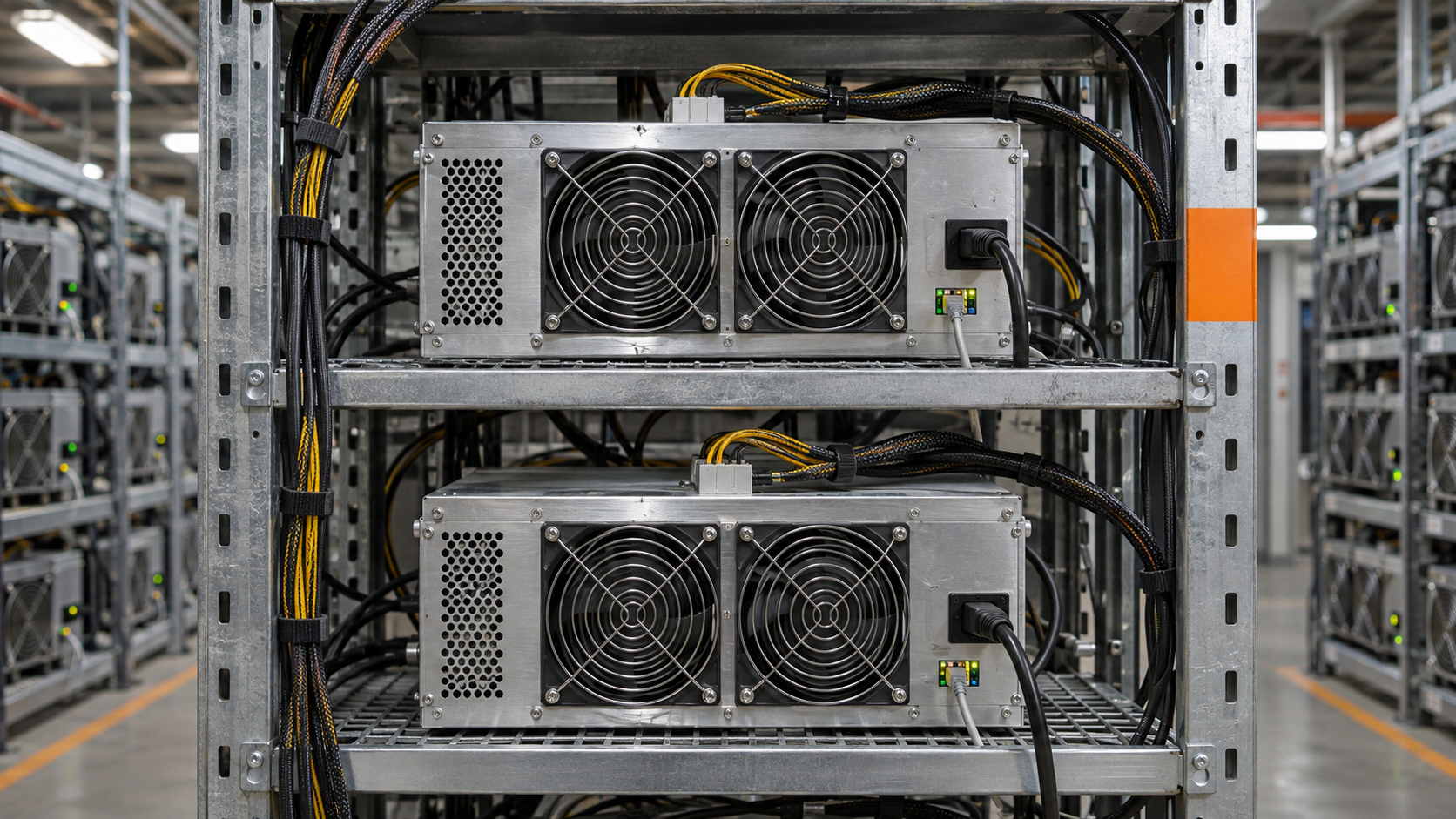
Once Monero switches to v2, pools will check shares against the new algorithm. An X5 or X9 running v1-only firmware could still display a hashrate and draw power, but it would earn no XMR from new work. We found no public Bitmain confirmation of v2 firmware for either model as of Nov. 25, so the estimates below assume both stay on v1 at the fork. Monero integration PR · Bitmain firmware downloads
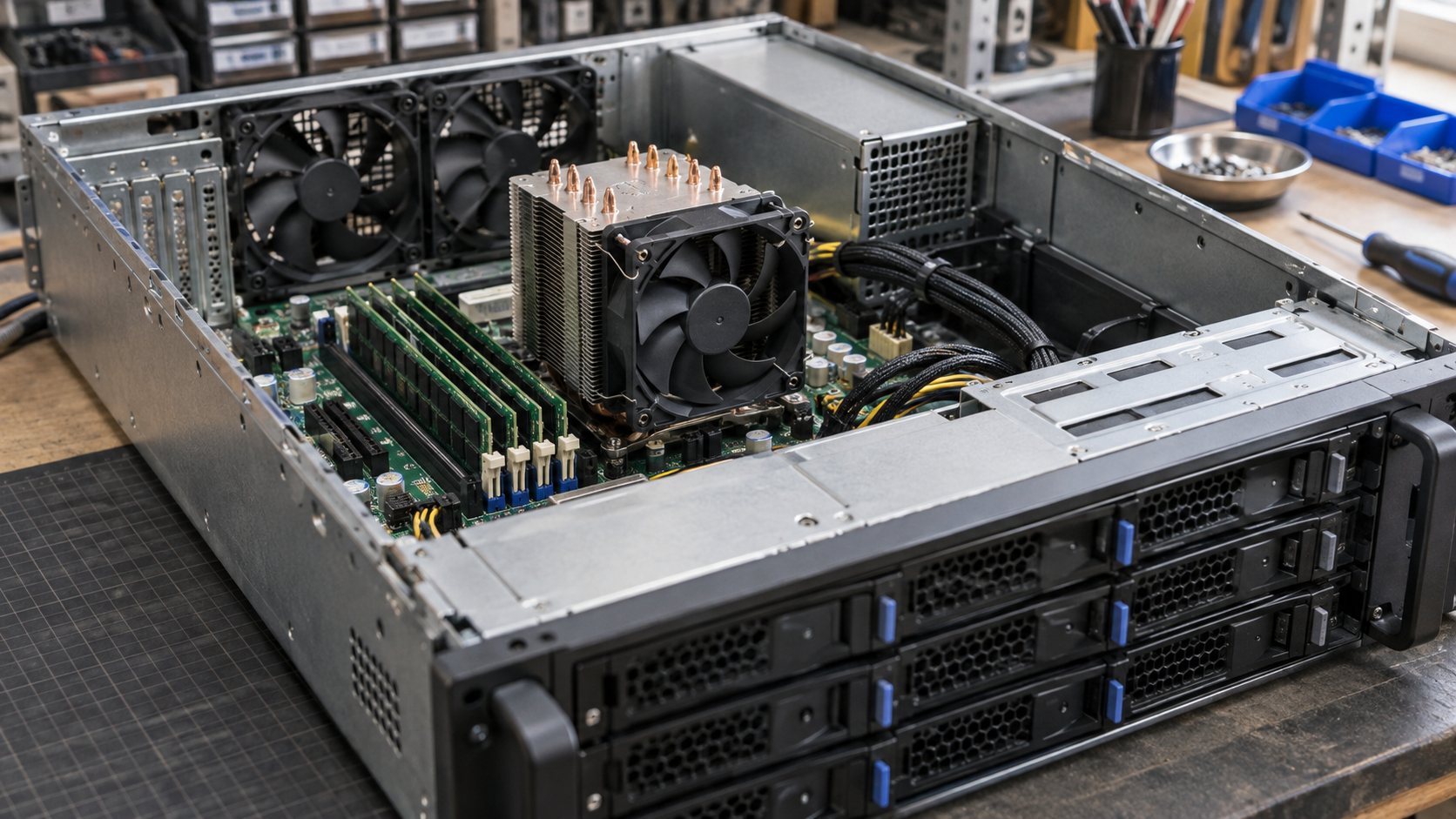
RandomX v2 lengthens the random programs and adds AES operations to the main loop. General-purpose CPUs can switch by updating their mining software. XMRig 6.27.0 and P2Pool v5.0-beta already support the upgrade on the FCMP++ stressnet. RandomX v2 design · XMRig release · P2Pool release
How Much Hashrate Could Leave Monero?
Public block and pool records don’t identify the hardware behind the hashrate. We found no verifiable global count of active X5 or X9 units.
If 4,000–6,000 X5s and 1,000–1,500 X9s were mining at their rated speeds of 212 kH/s and 1,000 kH/s, respectively, they would contribute 1.85–2.77 GH/s, or roughly 28%–42% of the pre-fork baseline. Both fleet sizes are assumptions. How many X9s were actually deployed remains unverified. Bitmain X5 specifications · Bitmain X9 specifications
What Happens to Blocks, Pools and CPU Miners?
At the switch, blocks could arrive more slowly
If that much effective capacity went offline and everything else held steady, blocks would take about 166–206 seconds on average, up from 120. How long any slowdown lasts depends on how quickly difficulty adjusts. CPU performance on v2 and replacement hashrate will also affect the result. Monero block time and difficulty rules
After difficulty adjusts, CPU miners could earn a larger share
Slower blocks mean fewer rewards per day. Once blocks are back near the two-minute target, a CPU miner could earn more XMR if it accounts for a larger share of the network. Its own hashrate could even fall under v2 and still gain share if other miners lose more. Developer CPU benchmarks
Over time, pool share depends on who fills the gap
SupportXMR and Nanopool found about 48% of blocks in a seven-day sample, with nearly a quarter of blocks unattributed. Those figures give little indication of how many X5s or X9s are pointed at each pool. Pools with more v1-only miners could lose more work at the switch. The longer-term effect on concentration depends on where the miners replacing that work connect. Seven-day pool attribution
ملخص
Monero has yet to set an activation height for RandomX v2. Once the switch happens, X5 and X9 units still running v1-only firmware would stop earning XMR from new work. The effect on block times and miner payouts depends on how much of today’s hashrate those machines supply. After the fork, block times, difficulty and pool shares will show how the network adjusts.
If you run an X5 or X9, watch for Monero’s official activation height and check whether your exact model has compatible firmware. After the switch, check for accepted shares on the pool dashboard. If the pool is rejecting your work and the miner is still drawing power, pause the unit until you can verify compatibility.
BT-Miners sells mining hardware. The X5 and X9 hashrates are manufacturer specifications. The fleet sizes are illustrative.