دليل شراء أجهزة تعدين البيتكوين المبردة بالماء لعام 2026: متى يكون طرازا S21 Hyd وS23 Hyd مناسبين؟
⚠️ تنويه: تتأثر ربحية التعدين بتقلبات تكاليف الكهرباء وأسعار العملات الرقمية وصعوبة الشبكة. جميع الأرقام تعكس الظروف السائدة في 24 يونيو 2026. الأداء السابق لا يضمن النتائج المستقبلية. يُرجى إجراء بحثك الخاص قبل شراء معدات التعدين.
تستقطب أجهزة تعدين العملات الرقمية المبردة بالماء اهتمامًا كبيرًا من المشغلين التجاريين، ولكنها تُثير أيضًا مفاهيم خاطئة شائعة حول الفئة المستهدفة. يُغطي هذا الدليل إطار العمل العملي لاتخاذ القرار: متطلبات التبريد المائي، والنماذج المتاحة حاليًا، وسيناريوهات التشغيل المحددة التي تُبرر الاستثمار في البنية التحتية. إذا كنت تُقيّم أجهزة التعدين المائية للاستخدام المنزلي أو لإعدادات صغيرة النطاق، فاقرأ القسم الأخير أولًا.
كيف يعمل التبريد المائي في أجهزة تعدين ASIC
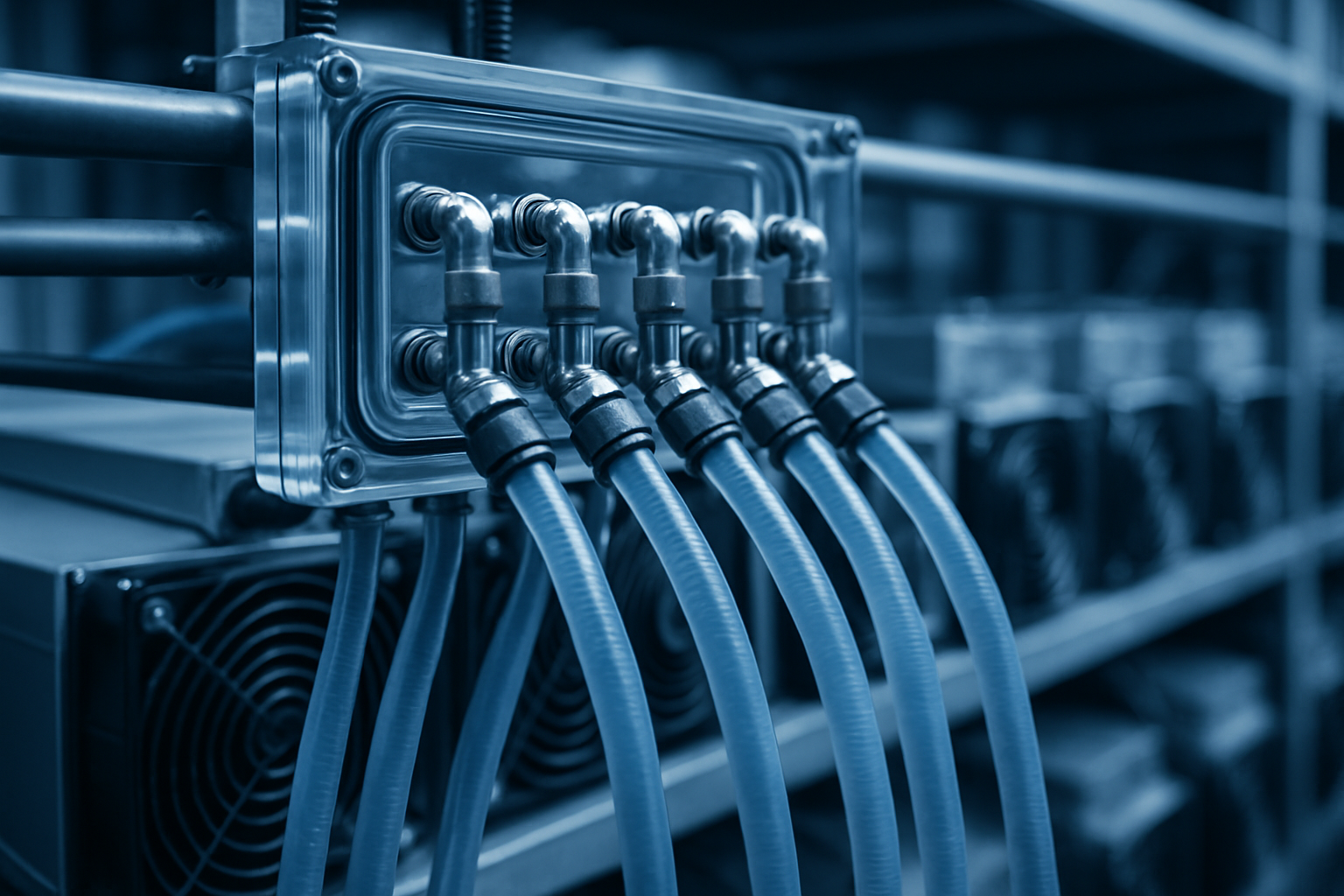
تستبدل أجهزة تعدين العملات الرقمية ذات الدوائر المتكاملة الخاصة بالتطبيقات (ASIC) المبردة بالماء المراوح الصناعية الموجودة في الوحدات التقليدية بكتل تبريد مائي تضغط مباشرة على لوحات التجزئة ولوحات التحكم. يدور سائل التبريد عبر حلقة مغلقة - من جهاز التعدين إلى وحدة توزيع تبريد خارجية (CDU) أو برج تبريد - حيث يتم تبديد الحرارة من خلال مبادل حراري بدلاً من تدفق الهواء.
تشمل الاختلافات التشغيلية الرئيسية عن الوحدات المبردة بالهواء ما يلي:
- لا يوجد اعتماد على تدفق الهواء — لا يحتاج عامل المنجم إلى مساحة جيدة التهوية أو مسارات تدفق هواء ذات أرضية مرتفعة
- معدل تجزئة مستدام أعلى — يتم تقليل أو إزالة الاختناق الحراري تحت الأحمال الثقيلة
- انخفاض درجات حرارة التشغيل الداخلية — يساهم في إطالة عمر لوحة التجزئة في ظل التشغيل المستمر
- عملية شبه صامتة — تم الاستغناء إلى حد كبير عن المراوح الصناعية؛ وتصدر وحدة توزيع الهواء بعض الضوضاء، لكنها أقل بكثير من نظيراتها المبردة بالهواء.
- كثافة طاقة أعلى لكل وحدة رف — يمكن استيعاب معدل تجزئة أكبر في مساحة رف معينة
يُعدّ هذا الأمر ذا أهمية بالغة: إذ تتطلب محطات توليد الطاقة الكهرومائية بنية تحتية مائية دائمة، على عكس الوحدات المبردة بالهواء. وتضيف وحدة التبريد، والأنابيب، والمشعبات، وأجهزة كشف التسرب، ما بين 15,000 و60,000 دولار أمريكي أو أكثر كرأس مال أولي، وذلك بحسب حجم المشروع، ويجب أخذ هذه التكاليف في الحسبان عند حساب التكلفة الإجمالية للملكية قبل إجراء أي تحليل للربحية.
أجهزة تعدين البيتكوين الرئيسية المبردة بالماء ستكون متاحة في عام 2026
بيتمين أنتمينر S21 هيد
يُعدّ جهاز Antminer S21 Hyd جهاز تعدين البيتكوين الرئيسي من Bitmain الذي يعمل بنظام التبريد السائل للجيل الحالي. يُقدّم هذا الجهاز الرائد معدل تعدين يبلغ 335 تيراهاش/ثانية عند استهلاك 5,360 واط ، بكفاءة تقارب 16.0 جول/تيراهاش (وهو مقياس لكفاءة الطاقة حيث تشير القيم المنخفضة إلى استهلاك طاقة أقل لكل وحدة من عمل التجزئة).
| المواصفات الخاصه | أنتمينر S21 هيد 335T |
|---|---|
| معدل التجزئة | 335 TH/s (±3%) |
| استهلاك الطاقة | 5,360 واط (± 5٪) |
| كفاءة الشريحة | 16.0 جول / ث |
| طريقة التبريد | التبريد بالسوائل (باستخدام كتل الماء) |
| ضجيج المستوى | <45 ديسيبل |
| درجة حرارة مدخل المياه | 5-40 ° C |
| شكل عامل | 2U قابلة للتركيب على الرف |
| خوارزمية | SHA-256 (بيتكوين) |
ملاحظة: يُرجى التحقق من الأسعار الحالية وتوافر المنتج على صفحة منتج BT-Miners S21 Hyd . المواصفات قابلة للتغيير وفقًا لتحديثات البرامج الثابتة.
يُعدّ جهاز S21 Hyd خليفةً لجهاز S19 Hyd في تشكيلة منتجات Bitmain. ويمكن للمشغلين الذين يستخدمون نظام تبريد مائي قائم من الأجيال السابقة دمج وحدات S21 Hyd بشكل عام دون الحاجة إلى تعديلات كبيرة في البنية التحتية، شريطة أن تكون سعة وحدة توزيع التبريد كافية.
جهاز Bitmain Antminer S23 Hyd 3U
يمثل جهاز Antminer S23 Hyd 3U من Bitmain فئة المؤسسات عالية الكثافة. يوفر هذا الجهاز، بحجمه 3U، معدل تجزئة أعلى لكل وحدة رف مقارنةً بجهاز S21 Hyd القياسي بحجم 2U، مما يقلل من التكاليف الإضافية لكل وحدة في الإدارة والكابلات واستهلاك دوائر وحدة توزيع الطاقة. بسعر تجزئة حالي يبلغ حوالي 29,800 دولار أمريكي ، يستهدف هذا الجهاز المؤسسات بدلاً من المشغلين المستقلين.
يتطلب جهاز S23 Hyd 3U بنية تحتية مخصصة للطاقة عالية التيار - عادةً ما تكون شبكة توزيع ثلاثية الأطوار بجهد 240 فولت أو أعلى - بالإضافة إلى نظام التبريد السائل. ينبغي على المشترين حساب إجمالي متطلبات رأس المال لكل وحدة (تكلفة جهاز التعدين بالإضافة إلى تكلفة وحدة توزيع الطاقة والبنية التحتية للطاقة بعد استهلاكها) قبل مقارنة العائد على الاستثمار مع البدائل الأقل تكلفة. استخدم حاسبة ربحية BT-Miners لإجراء توقعات الإيرادات الحالية وفقًا لسعر الكهرباء لديك.
جهاز التعدين المائي MicroBT Whatsminer M66S
يُقدّم جهاز التعدين المائي M66S Hydro من MicroBT لعام 2026، والذي يعمل بسرعة تعدين تبلغ حوالي 298 تيراهاش/ثانية مع استهلاك طاقة يبلغ 5,412 واط (حوالي 18.2 جول/تيراهاش). وعلى أساس كفاءة الشريحة الخام، فهو أقل كفاءة من جهاز S21 Hyd، إلا أن MicroBT تتمتع بشبكة خدمات وقطع غيار أقوى في جنوب شرق آسيا وأجزاء من الشرق الأوسط، وهو عامل مهم للمشغلين في تلك المناطق. كما قد يُفضّل المشترون الذين يستخدمون نظام إدارة Whatsminer الحالي هذا الجهاز لتجنب استخدام منصات تحكم متعددة.
مقارنة الكفاءة: التبريد المائي مقابل التبريد الهوائي
من الشائع افتراض أن التبريد المائي يوفر كفاءة أفضل بكثير للرقائق مقارنةً بالوحدات المبردة بالهواء. لكن البيانات تُظهر صورة أكثر تعقيداً.
| الموديل | نوع التبريد | معدل التجزئة | قوة السحب | الكفاءة (J/TH) |
|---|---|---|---|---|
| أنتمينر S21 هيد 335T | هايدرو | 335 TH / s | 5,360W | 16.0 |
| أنتمينر S21 برو 234T | تبريد الهواء | 234 TH / s | 3,510W | 15.0 |
| أنتماينر S21+ 216T | تبريد الهواء | 216 TH / s | 3,564W | 16.5 |
| واتسمينر M66S هيدرو | هايدرو | 298 TH / s | 5,412W | 18.2 |
| واتسمينر M63S + 390T | تبريد الهواء | 390 TH / s | 6,435W | 16.5 |
ملاحظة: تُحسب أرقام الكفاءة وفقًا لتقديرات الشركة المصنعة في ظروف الاختبار القياسية. تختلف الكفاءة الفعلية باختلاف درجة حرارة الماء الداخل (في حالة التبريد المائي) أو درجة الحرارة المحيطة (في حالة التبريد الهوائي)، ومعايرة الجهد، ونمط الحمل. قم بنمذجة سيناريوك الخاص باستخدام حاسبة الربحية من BT-Miners.
يحقق معالج S21 Pro المبرد بالهواء من Bitmain كفاءة طاقة تبلغ 15.0 جول/تيراهاش ، وهو ما يتفوق بشكل ملحوظ على معالج S21 Hyd الذي يحقق كفاءة طاقة تبلغ 16.0 جول/تيراهاش. ولا تكمن ميزة التبريد المائي في كفاءة الشريحة، بل في استقرارها الحراري، وكثافة تشغيلها، وثبات أدائها في البيئات التي يكون فيها التبريد الهوائي محدودًا.
متطلبات البنية التحتية: الصورة الكاملة للتكلفة
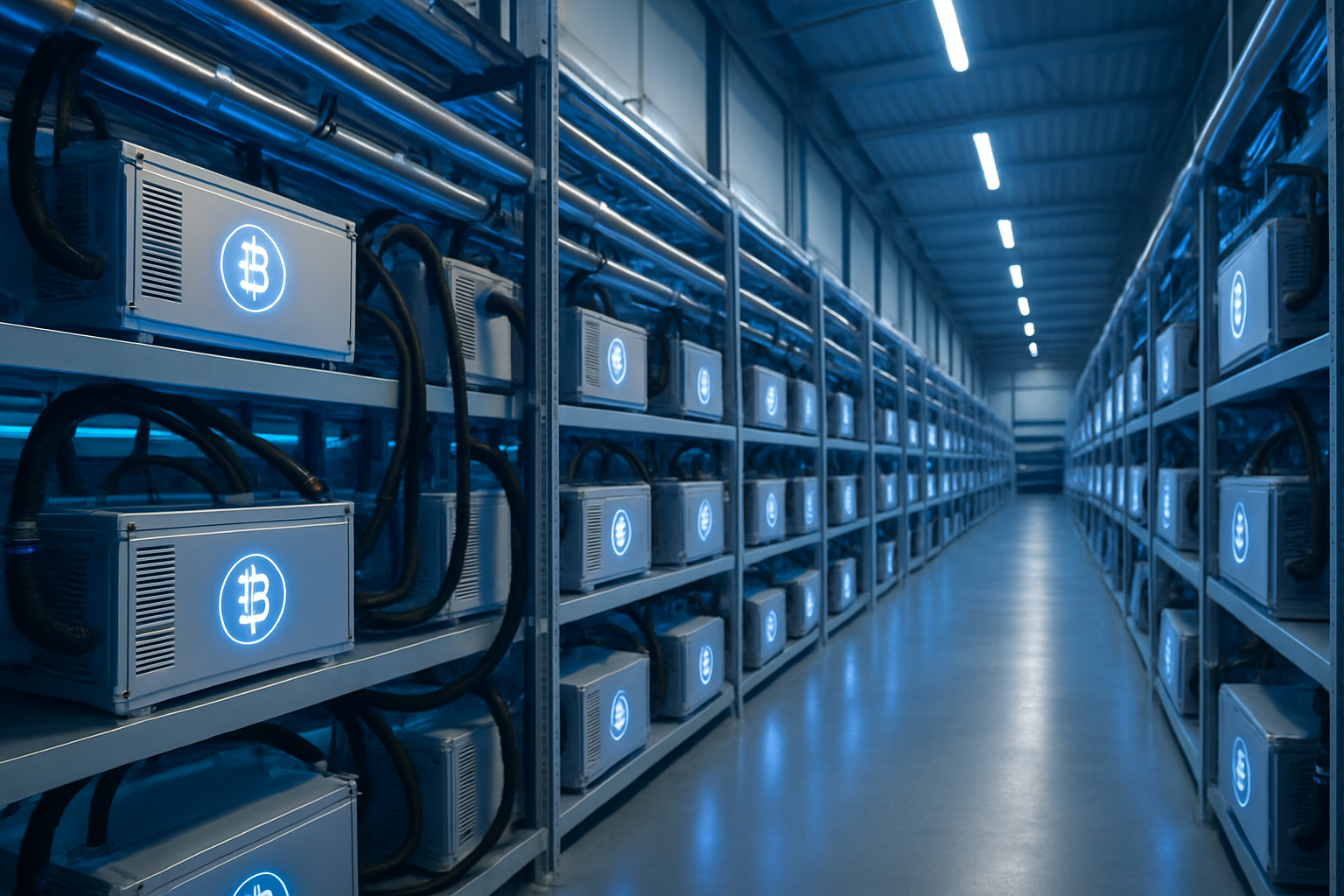
لا تكتمل أي عملية تقييم لمحطات التعدين الكهرومائية دون مراعاة البنية التحتية الكاملة. فيما يلي نطاقات تقريبية لنشر متوسط الحجم (10-50 وحدة). تختلف التكاليف اختلافًا كبيرًا حسب الموقع وحالة المنشأة وأجور المقاولين.
وحدة توزيع التبريد (CDU)
تتولى وحدة التحكم في التبريد (CDU) إدارة درجة حرارة سائل التبريد ومعدل تدفقه وضغطه عبر المجموعة. بالنسبة لنظام مكون من 10 وحدات، تتراوح تكلفة وحدة التحكم المناسبة بين 8,000 و20,000 دولار أمريكي تقريبًا. أما وحدات التحكم المؤسسية التي تدعم أكثر من 50 وحدة، فتتراوح تكلفتها عادةً بين 30,000 و70,000 دولار أمريكي.
أنظمة السباكة والمشعبات داخل الرفوف
تُضيف مشعبات الإمداد/الإرجاع، ووصلات الخراطيم المرنة، وأجهزة استشعار كشف التسرب ما بين 3,000 و15,000 دولار أمريكي لكل رف، وذلك حسب التكوين. إن كشف التسرب ليس خيارًا، إذ أن أي عطل في نظام السباكة دون اكتشافه قد يُتلف رفًا كاملًا من الأجهزة.
رفض الحرارة
يجب على وحدة توزيع الحرارة (CDU) طرد الحرارة إلى نظام خارجي - برج تبريد، أو مبرد جاف، أو مبرد للمنشأة. في المناخات الحارة حيث تتطلب آلات التعدين المبردة بالهواء استثمارات كبيرة في أنظمة التدفئة والتهوية وتكييف الهواء (HVAC)، تكون هذه البنية التحتية متوفرة بالفعل أو أرخص تكلفة من إنشاء أنظمة HVAC مخصصة لأنظمة التبريد بالهواء.
توزيع الطاقة
تستهلك محطات الطاقة الكهرومائية 5,000 واط أو أكثر لكل وحدة. ويتطلب تركيب 10 وحدات منها سعة كهربائية مخصصة تتراوح بين 50 و60 كيلوواط، وعادةً ما يتطلب ذلك توزيعًا ثلاثي الأطوار بجهد يتراوح بين 208 و480 فولت. وتتراوح تكلفة وحدات توزيع الطاقة (PDU) لهذا الحجم بين 5,000 و15,000 دولار أمريكي قبل التركيب.
إطار اتخاذ القرار: متى يكون التبريد المائي مبرراً
يُعد التبريد المائي خيارًا اقتصاديًا مُبررًا عندما يتمكن المشغلون من تأكيد معظم الشروط التالية:
- الحد الأدنى للمقياس 10 وحدات فأكثرتُعتبر تكاليف وحدة التوزيع الحراري وأنابيب المياه ثابتة إلى حد كبير. أما عند استخدام أقل من 10 وحدات، فيصعب تبرير تكلفة البنية التحتية المستهلكة لكل جهاز تعدين مقارنةً بمكاسب الكفاءة التي تحققها أنظمة التبريد الهوائي من الجيل الحالي.
- درجة الحرارة المحيطة أعلى من 35 درجة مئوية باستمرارتُخفّض مضخات التعدين المبردة بالهواء من سرعتها أو تتوقف عن العمل في البيئات الحارة. أما مضخات التعدين المائية، فتحافظ على أدائها المُصنّف عند درجات حرارة مدخل المياه التي تصل إلى 40 درجة مئوية، مما يجعلها الخيار العملي للمنشآت في الشرق الأوسط وجنوب شرق آسيا، أو أي منطقة لا تتوفر فيها أنظمة التكييف والتهوية الصناعية.
- مساحة الرفوف أو دوائر وحدة توزيع الطاقة تشكل قيدًا ملزمًا.إذا كنت تسعى إلى زيادة معدل التجزئة إلى أقصى حد ضمن مساحة ثابتة للرف أو سعة لوحة كهربائية، فإن أجهزة التعدين المائية توفر ما يقرب من 35-40% معدل تجزئة لكل وحدة رف مقارنة بالوحدات المبردة بالهواء المماثلة.
- أفق تشغيلي مخطط له لمدة سنتين أو أكثرتتعافى تكاليف رأس مال البنية التحتية بمرور الوقت. قد لا يتمكن المشغلون الذين يخططون لتحديث الأجهزة كل 12 شهرًا من استرداد تكاليف البنية التحتية الأولية.
- يُعدّ الضجيج أحد قيود المنشأة.تعمل أجهزة تعدين العملات الرقمية الصناعية المبردة بالهواء بمستوى ضوضاء يتراوح بين 75 و82 ديسيبل. أما أجهزة التعدين الهيدروليكية فهي شبه صامتة عند هيكلها. بالنسبة لمرافق التجميع التي تفرض قيودًا على الضوضاء، قد يكون هذا شرطًا أساسيًا لا يمكن التنازل عنه.
| سيناريو | النهج الموصى به | منطق |
|---|---|---|
| مرفق مخصص، أكثر من 20 وحدة، مناخ حار | هايدرو | الكثافة، والاستقرار الحراري، وعدم وجود تكاليف إضافية لأنظمة التدفئة والتهوية وتكييف الهواء. |
| موقع مشترك، 5-20 وحدة، مناخ معتدل | تبريد الهواء | لا حاجة لبنية تحتية لوحدة توزيع الشحنات، تكلفة أولية أقل |
| منزل أو مكتب صغير، من 1 إلى 5 وحدات | للتبريد الهوائي فقط | البنية التحتية للمياه غير مجدية أو آمنة في المناطق السكنية |
| منشأة تبريد مائي قائمة توسع طاقتها الإنتاجية | هايدرو | تم استهلاك تكلفة وحدة التبريد بالفعل؛ إضافة وحدة إضافية أمر فعال |
| زيادة كثافة الرفوف إلى أقصى حد، مع مساحة محدودة | هايدرو | زيادة في معدل نقل البيانات (TH/s) بنسبة 35-40% لكل وحدة رف مقارنةً بالتبريد الهوائي |
من لا ينبغي له شراء أجهزة التعدين المائي؟
لا تُعدّ أجهزة التعدين المبردة بالماء مناسبة للتعدين المنزلي أو العمليات التي تضم أقل من 5-10 وحدات. والأسباب عملية:
- لا يمكن تطبيق بنية CDU التحتية في المناطق السكنية
- تُعدّ تعديلات السباكة عادةً مخالفة لاتفاقيات الإيجار السكنية وقوانين البناء.
- يشكل وجود الماء بالقرب من معدات الجهد العالي خطراً جسيماً على السلامة والممتلكات
- لا تنجح اقتصاديات الوحدة الواحدة على نطاق صغير - إذ تتجاوز تكلفة البنية التحتية أي وفورات تشغيلية.
بالنسبة للمُعدّنين المستقلين والمشغلين على نطاق صغير، توفر الوحدات المبردة بالهواء الحالية التي تتراوح قدرتها بين 15 و17 جول/تيراهاش أداءً قويًا دون الحاجة إلى بنية تحتية. ينبغي أن يستند القرار إلى ظروف تشغيل قابلة للتحقق، وليس إلى جاذبية منتج ذي مواصفات تقنية مبهرة.
الخلاصة: أداة لبيئة التشغيل المناسبة
تُعدّ أجهزة تعدين العملات الرقمية المبردة بالماء، مثل Antminer S21 Hyd وS23 Hyd 3U، منتجات راسخة مدعومة من الشركة المصنعة، وتتوفر لها شبكات قطع غيار. بالنسبة للمشغلين التجاريين الذين يبنون أو يوسعون مرافق مخصصة - لا سيما في المناخات الحارة أو مع تكوينات الرفوف عالية الكثافة - تُشكّل هذه الأجهزة خيارًا مناسبًا للنشر بحلول عام 2026، حيثما تتوفر هذه الشروط. صحيح أن ميزة كفاءة الشريحة مقارنةً بالبدائل المبردة بالهواء الحالية متواضعة، إلا أن مزايا الكثافة والاستقرار الحراري وانخفاض مستوى الضوضاء التشغيلية قد تُعوّض ارتفاع تكلفة البنية التحتية الأولية على مدى سنوات عديدة من النشر - مع العلم أن هذا يعتمد على أسعار الكهرباء الفعلية، واستخدام الأجهزة، وعمرها الافتراضي.
بالنسبة للمشغلين الذين لا يستوفون متطلبات البنية التحتية، فإن رأس المال نفسه المستثمر في أجهزة التبريد الهوائي من الجيل الحالي سيحقق عمومًا عائدًا صافيًا أفضل. استخدم حاسبة ربحية BT-Miners لمقارنة السيناريوهات وفقًا لسعر الكهرباء الخاص بك قبل اتخاذ القرار.
يمكنك الاطلاع على الأسعار الحالية وتوافر جهازي Antminer S21 Hyd و Antminer S23 Hyd 3U على موقع BT-Miners، أو الاتصال بالفريق لمناقشة عمليات الشراء التجارية ودعم تخطيط البنية التحتية.