Bitmain vs MicroBT:2026年において、どちらのASICマイナーブランドが優れているのか?
⚠️ お断り: マイニングの収益性は、電気料金、仮想通貨価格、ネットワーク難易度によって変動します。すべての数値は、2026年6月26日時点の状況を反映しています(BTC 66,328ドル、ZEC 524.85ドル、 BTC ネットワークハッシュレート979.2 EH/s、難易度+6.96%(次エポック)。過去の実績は将来の結果を保証するものではありません。マイニング機器を購入する前に、ご自身で十分な調査を行ってください。
はじめに:ASICマイナーを購入する際にブランドは重要か?
ASICマイニングハードウェアを購入する際、購入者は必然的にBitmainとMicroBTのどちらを選ぶべきかという問題に直面します。両社は長年にわたり市場を支配してきました。BitmainはAntminerシリーズ、MicroBTはWhatsminerシリーズで市場を牽引し、両社ともスペック上は同等の性能を持つマシンを製造しています。しかし、2026年半ばのデータは、より複雑な状況を示しています。ブランドは、マイニングしようとしているコインの種類に比べれば、ほとんど二の次になっているのです。
本分析では、リアルタイムの収益性データを用いて、BitmainとMicroBTの主力製品を総合的に比較します。目的は、各ブランドの強み、さまざまな電気料金における投資対効果(ROI)、そして現在の市場環境においてどちらの選択肢がより経済的に理にかなっているかを、購入者が理解できるようにすることです。
ブランド概要:Bitmain Antminer vs MicroBT Whatsminer
Bitmain (Antminer)
2013年に設立されたBitmainは、出荷台数で世界最大のASICメーカーです。同社のAntminer製品ラインは、ビットコイン(SHA-256)、ライトコイン/ドージコイン(Scrypt)、Zcash(Equihash)、イーサリアムクラシック(Etchash)など、複数のアルゴリズムに対応しています。同社の最大の強みはその対応範囲の広さです。主要なプルーフ・オブ・ワーク(PoW)コインをマイニングする場合、Bitmainはおそらく専用のマシンを提供しているでしょう。
現在のビットコインマイニングの主力モデルには、S21シリーズ(空冷式)とS23 Hydroシリーズ(液冷式)があります。アルトコインマイニングでは、ZcashをターゲットとしたEquihash社のAntminer Z15 ProとZ15が、2026年時点で日次純収益と投資回収期間において最も収益性の高いASICの一つにランクインしています。
MicroBT(Whatsminer)
MicroBTは2016年に市場に参入し、特に高密度ビットコインマイニングにおいて、Bitmainの有力な代替企業としての地位を確立しました。Whatsminer MシリーズのマシンはSHA-256をベースとしており、空冷式と水冷式の2種類が用意されています。MicroBTの製品ラインナップはBitmainよりも限定的で、ほぼビットコインに特化しており、アルトコインのアルゴリズムに対応したハードウェアは提供していません。
現在入手可能なモデルには、M79S Hydro(1.35 PH/s)とM7DS Hydro(680 TH/s)があります。どちらも、専用の液冷設備を必要とする大規模運用向けに設計された、エンタープライズグレードの水冷式ユニットです。
ビットコインマイニング:Antminer S23シリーズ vs Whatsminer M79S
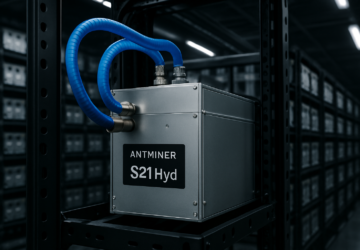
ビットコインをマイニングするユーザーにとって、最も適切な比較対象は、BitmainのS23 Hyd 3UとMicroBTのM79S Hydroだろう。どちらも、機関投資家向けに設計された、高スループットの水冷式マイニングマシンである。
仕様を並べて比較
| スペック | アントマイナー S23 ハイド 3U | ワッツマイナーM79Sハイドロ |
|---|---|---|
| ハッシュレート | 1,160 TH /秒 | 1,350 TH /秒 |
| パワードロー | 11,020 W | 20,000 W |
| 効率化 | 9.5 J / TH | 14.8 J / TH |
| 価格 | $29,800 | $12,100 |
| 1日の総売上高 | $39.00 | $45.39 |
| アルゴリズム | SHA-256 | SHA-256 |
| 水冷式 | ハイドロ | ハイドロ |
注:1日の総収益は BTC 66,328ドル、2026年6月26日ネットワーク障害。両ユニットとも水冷式で、適切な設備インフラが必要です。 BTマイナーの収益性計算ツール お客様固有のシナリオをモデル化します。
さまざまな電気料金における投資収益率
| 電気料金 | S23 Hyd 3U ネット/日 | S23 Hyd 3U ROI | M79S 水力発電ネット/日 | M79SハイドロROI |
|---|---|---|---|---|
| $ 0.04 / kWh | $28.42 | 34.5か月間 | $26.19 | 15.2か月間 |
| $ 0.07 / kWh | $20.49 | 47.8か月間 | $11.79 | 33.8か月間 |
| $ 0.10 / kWh | $12.55 | 78.1か月間 | −2.61ドル | 赤字経営 |
| $ 0.12 / kWh | $7.26 | 135.0か月間 | −12.21ドル | 赤字経営 |
| $ 0.15 / kWh | −0.67ドル | 赤字経営 | −26.61ドル | 赤字経営 |
注:数値は BTC 価格とネットワーク状況は2026年6月26日時点のものです。両機種とも水冷インフラが必要であり、総所有コストが増加します。投資回収期間は安定した状態を前提としています。 BTC 価格と難易度――実際の結果は様々です。
いくつかの注目すべき点があります。M79S Hydroは、購入価格が低く(12,100ドル対29,800ドル)、ハッシュレートも高いのですが、消費電力が20,000Wと高いため、電気料金に非常に敏感です。多くの市場で一般的な料金である0.10ドル/kWhでは、M79Sは赤字になります。一方、S23 Hyd 3Uは、エネルギー効率が9.5 J/THとM79Sの14.8 J/THよりも大幅に優れているため、約0.148ドル/kWhまで利益が出ます。
どちらの機械も現在の状況下では短い投資回収期間を提供していない。 BTC 0.07ドル/kWhの条件では、それぞれ47.8ヶ月と33.8ヶ月となります。0.04ドル/kWhのM79S Hydroの回収期間(15.2ヶ月)はより魅力的ですが、これはほとんどの小売顧客や小規模商業顧客には利用できない非常に低コストの電力へのアクセスを前提としています。
ビットコインを超えて:Bitmainに競合相手がいない分野
2026年におけるBitmainとMicroBTの最も大きな違いは、効率性やハッシュレートではなく、アルゴリズムの網羅性にある。MicroBTはSHA-256マシンのみを製造しているのに対し、Bitmainは複数のアルゴリズムに対応したハードウェアを製造している。この網羅性がパフォーマンス上の大きな優位性につながるかどうかは、その時点でどちらのコインの収益性が高いかによって決まる。現状ではZECの方が収益性が高いが、状況は変化する可能性がある。
Antminer Z15 Pro(Equihash、Zcash対応)は、現在のカタログ全体において、日々の純利益と投資回収期間の両面で最高の性能を発揮するマシンです。これはBitmain製品ラインナップだけでなく、あらゆるブランドとアルゴリズムを合わせた数値です。その小型版であるAntminer Z15は、同じ指標で2位にランクインしています。
Antminer Z15 Proの電気料金に対する投資収益率
| 電気料金 | 毎日の電気代 | 1日あたりの純利益 | ROI期間 |
|---|---|---|---|
| $ 0.04 / kWh | $2.67 | $33.89 | 4.5か月間 |
| $ 0.07 / kWh | $4.67 | $31.89 | 4.7か月間 |
| $ 0.10 / kWh | $6.67 | $29.89 | 5.1か月間 |
| $ 0.12 / kWh | $8.01 | $28.55 | 5.3か月間 |
| $ 0.15 / kWh | $10.01 | $26.55 | 5.7か月間 |
注:Z15 Proの仕様:840 KSol/s、2,780W、価格4,600ドル。2026年6月26日、ZEC価格524.85ドルで1日の総収益は36.56ドル。ZECは、より価格変動の大きい小型時価総額の資産です。 BTCZEC価格の大幅な下落は、投資収益率(ROI)をそれに応じて高めるでしょう。購入前には必ず複数の価格シナリオでストレステストを実施してください。
Z15 Proの形状は、構造的に他のどの製品とも異なります。 BTC 本日入手可能なマイニングマシン。消費電力はわずか2,780Wで、上記のビットコイン水力マイニングマシンの11,020W~20,000Wと比較すると、電気代が日々の利益に及ぼす絶対的な影響ははるかに小さくなります。1kWhあたり0.15ドルの場合でも、Z15 Proは1日あたり26.55ドルの純利益を生み出しますが、M79S HydroとS23 Hyd 3Uは、その時点で損失を出しているか、あるいは非常に不採算です。
これは従来の意味でのBitmainの効率性の利点ではありません。MicroBTはEquihash製品を提供していないからです。2026年6月の市場状況では、ZECは524.85ドルで、 BTC 66,328ドルで、BitmainのEquihashハードウェアは、0.07ドル/kWhを超える電気料金で、どちらのブランドのビットコインマイニングハードウェアよりも短い回収期間と高い1日当たりの純利益を示しています。ZEC価格が大幅に下落した場合、この関係は変化する可能性があります。 BTC ZECに対する価格が急激に上昇する。
ビットコインマイニングにおける効率比較
特にビットコインマイニングに注力する購入者にとって、効率性(J/TH)は重要な競争指標となる。数値が低いほど優れている。
| モデル | ブランド | ハッシュレート | 出力 | 効率化 | 価格 |
|---|---|---|---|---|---|
| アントマイナー S23 ハイド 3U | ビットマイン | 1,160 TH /秒 | 11,020W | 9.5 J / TH | $29,800 |
| アントマイナー S23e U2H | ビットマイン | 865 TH /秒 | 8,650W | 10.0 J / TH | $19,030 |
| アントマイナー S21e XP ハイド 3U | ビットマイン | 860 TH /秒 | 11,180W | 13.0 J / TH | $11,500 |
| WhatsMiner M7DS Hydro | マイクロBT | 680 TH /秒 | 9,200W | 13.5 J / TH | $19,999 |
| ワッツマイナーM79Sハイドロ | マイクロBT | 1,350 TH /秒 | 20,000W | 14.8 J / TH | $12,100 |
以内 BTC マイニング分野において、Bitmainの現行モデルは、現在販売されているWhatsminer製品よりも電力効率に優れています。中でもS23 Hyd 3Uは9.5 J/THという優れた効率性を誇ります。この効率の差こそが、S23 Hyd 3Uがより高い電気料金でも採算が取れる主な理由です。
しかし、Whatsminer M79S Hydroは購入価格が12,100ドルと低いため、効率が劣っていても、非常に低い電気料金(1kWhあたり0.07ドル未満)であれば、より早く投資回収が可能です。1kWhあたり0.05ドル未満の料金が確定している併設施設の購入者は、総所有コストの観点からMicroBTオプションを検討する価値があるかもしれません。
どのブランドを買うべきか?2026年に向けたフレームワーク
Bitmainを選ぶべき場合:
- あなたはアルトコイン(ZEC、 LTC/DOGE、ETC)を利用しており、最も早く投資回収できるハードウェアへのアクセスを求めている。
- 電気料金が$0.07/kWh以上であれば、Bitmainのアルトコインハードウェアは、 BTC 両ブランドのマイナーは苦戦している
- 最もエネルギー効率の良いものが欲しい BTC 現在の市場におけるマイナーの価格(Antminerの最上位モデルでは9.5~10.0 J/TH)
- 将来的な柔軟性を考慮して、コインアルゴリズム全体でメーカーの多様性を重視する。
MicroBTを検討すべき場合:
- 産業施設または共同利用契約を通じて、1kWhあたり0.07ドル未満の電力供給へのアクセスを確認済みです。
- あなたはビットコインのみをマイニングしており、PH/sあたりの取得コストが主な制約となっています(M79S Hydro経由で1.35 PH/sで12,100ドルというのは、ハッシュあたりの価格が低い方です)。
- あなたは大規模なハッシュレート運用を構築しており、単位あたりのエネルギー効率よりも生のスループット密度の方が重要です。
ボトムライン
2026年、ASIC選択において最も重要な変数はメーカーではなく、マイニングアルゴリズムです。投資資本に対するROIを評価するために、電気料金が$0.07/kWhを超える購入者にとって、MicroBTは現在Equihashハードウェアを提供しておらず、そのセグメントではBitmainが唯一の選択肢となります。非常に安価な電力にアクセスできるビットコイン専用の運用では、MicroBTの価格設定は魅力的ですが、M79S Hydroの高い消費電力は、電力料金が変動した場合、または BTC 価格が下落します。
考慮すべき主なリスク
- コイン価格の変動性: ZECの短期的なROIの高さは、現在の価格に左右されます。ZECは時価総額が小さい資産で、過去にはより大きな価格変動がありました。 BTCZECの価格が40~50%下落すれば、Z15 Proの投資回収期間は大幅に延びるだろう。
- ネットワークの難しさ: Equihashマイナーが増えるにつれて、ZECのマイニング難易度が上昇し、マイナー一人当たりの収益が時間とともに減少する可能性がある。
- BTC 難易度傾向: BTC ネットワークハッシュレートは2026年6月下旬に979.2 EH/sに達し、次のエポックでは難易度が約6.96%上昇すると予想され、さらに圧縮が進む。 BTC マイナーのマージンが BTC 価格は比例して上昇する。
- ハードウェアのライフサイクル: ASICマイナーの商業的な耐用年数は通常3~5年です。現在高値で購入されたハードウェアは、より効率的な次世代モデルとの競争に直面する可能性があります。
- インフラストラクチャのコスト: 両ブランドの水冷式ユニットは、専用の冷却設備を必要とするため、購入価格に加えて総設備投資額が増加する。
購入を決定する前に、BT-Minersの収益性計算ツールを使用して、ご自身の電気料金とハードウェアの選択を現在の市場状況と比較してシミュレーションしてください。
結論
BitmainとMicroBTのどちらが優れているかという議論は確かに存在しますが、どのコインをマイニングするかによって結論は変わってきます。両社とも、大規模に安定して動作する商用ハードウェアを製造しています。両社が大きく異なるのは、アルゴリズムの適用範囲と、ビットコインにおいては電力効率です。そして、これらの違いは、現在の価格とマイニング難易度において、経済的に大きな影響を及ぼします。
2026年の購入者にとって、現実的な出発点はブランドではなく、コインそのものです。もし答えが電力コストが非常に低いビットコインであれば、両ブランドを総所有コストで評価すべきです。適度な電気料金で最高の投資収益率(ROI)を求め、特定のコインにこだわらないのであれば、Bitmainのアルトコインカタログ、特にAntminer Z15 Proが、現在のデータが最も明確に示している選択肢です。