KI entdeckt vier Jahre alten Bug, der ZEC um 38 % zum Absturz brachte – Was bedeutet das für die Mining-Sicherheit im Jahr 2026?
⚠️ Haftungsausschluss: Die Rentabilität des Minings schwankt mit den Stromkosten, den Kryptowährungskursen und der Netzwerk-Schwierigkeit. Alle Angaben in diesem Artikel beziehen sich auf den Stand vom 10. Juni 2026 und basieren auf den aktuellen Rentabilitätsdaten von BT-Miners. Die nachfolgend beschriebenen Sicherheitsdetails wurden aus öffentlichen Berichten zusammengefasst und nicht von BT-Miners unabhängig überprüft. Die Wertentwicklung in der Vergangenheit ist kein Indikator für zukünftige Ergebnisse. Führen Sie Ihre eigene Due-Diligence-Prüfung durch, bevor Sie Mining-Ausrüstung erwerben.
Am 29. Mai 2026 – einen Tag nach der Veröffentlichung des Anthropic-Modells Claude Opus 4.8 – nutzte der unabhängige Sicherheitsforscher Taylor Hornby das neue Modell zusammen mit einem eigens entwickelten Prüfframework, um einen kritischen Fehler im geschützten Orchard-Pool von Zcash aufzudecken. Laut öffentlichen Mitteilungen von Shielded Labs und der Zcash Foundation bestand die Schwachstelle bereits seit dem Start von Orchard im Jahr 2022 und hätte es Angreifern ermöglicht, unbemerkt gefälschte ZEC zu prägen. Die Enthüllung führte zu einer Notfall-Hard-Fork und einem Kurssturz von rund 38 %, bevor sich der ZEC-Kurs teilweise erholte. Für alle, die einen Zcash-ASIC wie den Antminer Z15 Pro oder Z15 betreiben oder dies erwägen, ist der Kurssturz weniger wichtig als die Erkenntnisse, die dieser Vorfall über eine selten diskutierte Risikokategorie liefert: die Sicherheit des zugrundeliegenden Codes einer Kryptowährung.
Inhaltsverzeichnis
- Was geschah: Der Obstbaumkäfer, kurz zusammengefasst
- Der KI-Aspekt dieser Geschichte
- Warum Protokollkomplexität eine eigene Risikokategorie darstellt
- Z15 Pro und Z15 ROI nach dem Crash
- Hinzufügen des Faktors „Coderisiko“ zu Ihrer ASIC-Kaufcheckliste
- Was das für Käufer jetzt bedeutet
Was geschah: Der Obstbaumkäfer, kurz zusammengefasst
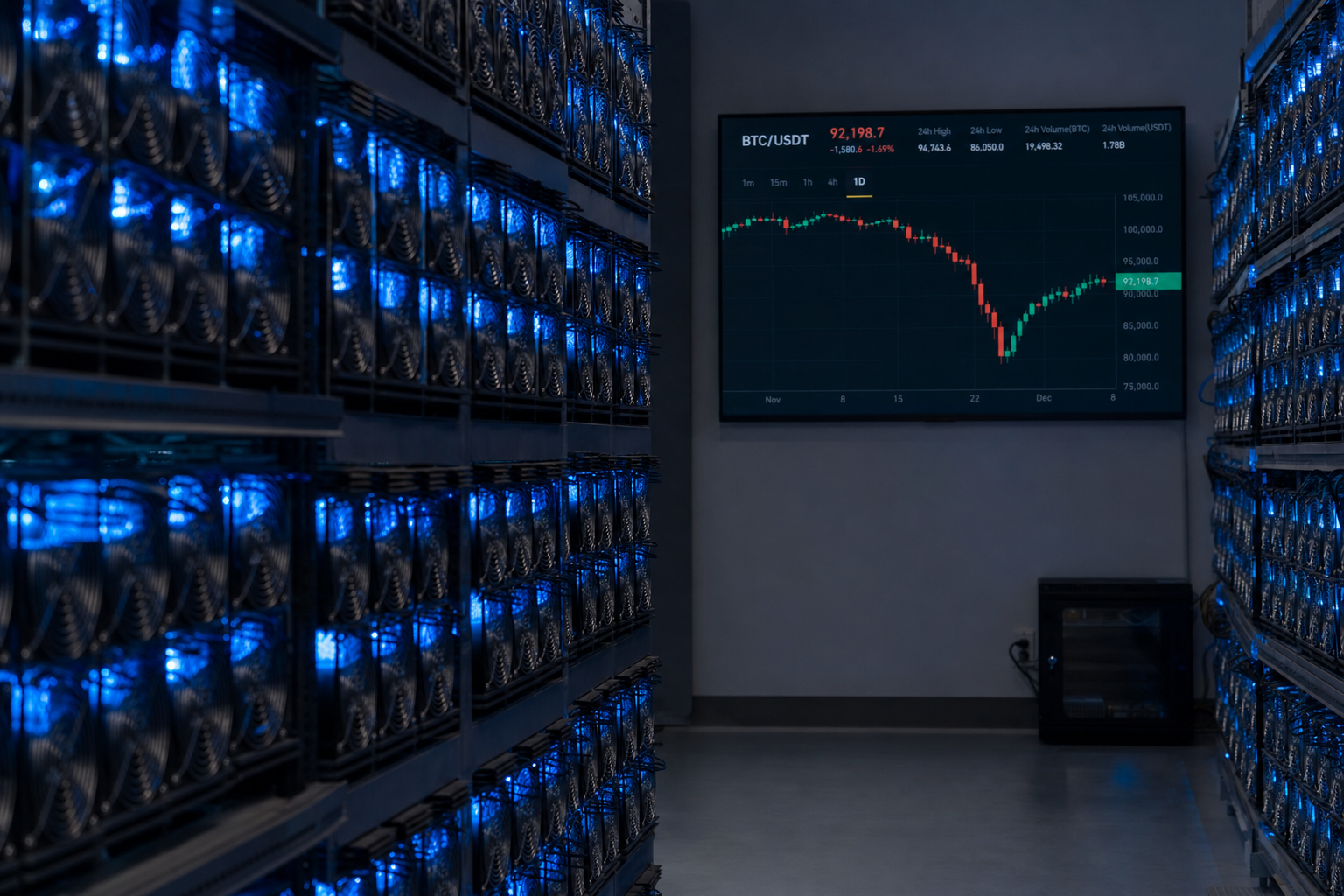
Den Veröffentlichungen zufolge handelte es sich bei dem Problem um eine unzureichende Beschränkung im Zero-Knowledge-Schaltkreis von Orchard – genauer gesagt im Code von halo2_gadgets, der den geschützten Transaktionen von Zcash zugrunde liegt. Orchard ist das kryptografische System, mit dem Zcash-Nutzer ZEC senden können, wobei Absender, Empfänger und Betrag verborgen bleiben. Dabei werden zk-SNARK-Beweise verwendet, um die Gültigkeit der Transaktionen zu überprüfen, ohne deren Inhalt preiszugeben. Der Fehler ermöglichte es offenbar mathematisch ungültigen Eingaben, eine Prüfung zu bestehen, die sie hätte ablehnen sollen – wodurch theoretisch die Möglichkeit bestand, ZEC innerhalb des geschützten Pools zu fälschen.
Die Reaktion erfolgte für Blockchain-Verhältnisse schnell. Die Entwickler spielten am 2. Juni einen Notfall-Soft-Fork ein, der vorübergehend alle Orchard-Transaktionen deaktivierte, und aktivierten dann am 3. Juni den NU6.2-Hard-Fork mit einem korrigierten Schaltkreis, wodurch der Normalbetrieb wiederhergestellt wurde. Die Zcash Foundation erklärte, dass die Integrität des Angebots durch den Turnstile-Mechanismus des Netzwerks jederzeit geschützt war und dass keine Hinweise auf Missbrauch gefunden wurden.
Die Marktreaktion war heftig. ZEC notierte am 4. Juni bei rund 624 US-Dollar, fiel am 5. Juni auf ein Tagestief von etwa 304–309 US-Dollar – ein Rückgang von rund 50 % – und erholte sich bis zum 10. Juni wieder auf rund 433 US-Dollar. Verschiedene Medien berichteten von einem Rückgang innerhalb von 24 Stunden zwischen 31 %, 38 % und 57 %, je nach Messzeitraum. Dies verdeutlicht, wie stark die Kursberichterstattung bei Kryptowährungen in einem so schnelllebigen Umfeld schwanken kann.
Der KI-Aspekt dieser Geschichte
Was diesen Fall von einer typischen Geschichte über einen gefundenen kritischen Fehler und die anschließende Bereitstellung eines Hard Forks unterscheidet, sind der Zeitpunkt und die Methode. Laut mehreren Berichten erfolgte Hornbys Entdeckung nur einen Tag nach der Veröffentlichung von Opus 4.8. Er nutzte das Modell zusammen mit einem eigens entwickelten KI-gestützten Prüfframework, um gezielt bestimmte Schaltungsbeschränkungen zu überprüfen. Der Fehler selbst hatte Berichten zufolge in den vier Jahren zuvor mehrere Prüfrunden durch professionelle Kryptografieunternehmen überstanden.
Zwei Dinge können hier gleichzeitig zutreffen. Erstens kann die Entdeckung und Behebung des Fehlers durchaus als positives Ergebnis für die Sicherheit dieses Netzwerks gewertet werden – eine schwerwiegende Schwachstelle wurde gefunden und behoben, bevor sie, soweit aktuelle Berichte nahelegen, ausgenutzt werden konnte. Dieses Ergebnis beseitigt jedoch nicht die zugrundeliegende Unsicherheit: Es wirft auch Fragen für jedes andere Protokoll mit ähnlich komplexem Code auf. Wenn ein vier Jahre alter Fehler in einem der am stärksten überwachten Datenschutzprotokolle im Kryptobereich innerhalb von 24 Stunden nach der Veröffentlichung eines neuen KI-Modells gefunden werden konnte, deutet dies darauf hin, dass komplexe Codebasen, die noch nicht auf diese Weise überprüft wurden, möglicherweise eigene, unentdeckte Probleme aufweisen – wobei sich ohne eine solche Überprüfung weder die Anzahl noch die Schwere dieser Probleme feststellen lässt. CoinDesk berichtete, dass Hornby angeblich als Nächstes denselben Ansatz für die Überprüfung der Monero-Codebasis verfolgt – ein interessanter Aspekt für alle Besitzer eines Antminer X9.
Es ist wichtig, auch die Grenzen KI-gestützter Prüfungen zu berücksichtigen. Diese Tools können zwar potenzielle Probleme schnell aufzeigen, doch die Unterscheidung zwischen einem echten Integritätsfehler und einem Fehlalarm erfordert weiterhin die Überprüfung durch menschliche Kryptografen – genau wie hier vor der Offenlegung. KI-gestützte Prüfungen sind eine sinnvolle Ergänzung der Prüfinstrumente, kein Ersatz dafür, und die Technologie selbst entwickelt sich rasant weiter.
Warum Protokollkomplexität eine eigene Risikokategorie darstellt
Es ist wichtig, genau zu definieren, welche Art von „Sicherheit“ dieses Ereignis betrifft, da sie sich von derjenigen unterscheidet, auf die sich die meisten Berichte über Mining konzentrieren. Netzwerksicherheit – gemessen an Hashrate und Mining-Pool-Konzentration – bezieht sich darauf, ob jemand die Blockchain durch ausreichend Rechenleistung manipulieren könnte. Der Orchard-Bug hatte damit nichts zu tun. Es handelte sich um einen Fehler im kryptografischen Code selbst, der unabhängig von der Hashrate des Netzwerks ausgenutzt werden konnte.
Diese zweite Kategorie – nennen wir sie Protokoll- oder Code-Sicherheit – skaliert tendenziell mit der Komplexität. Eine Kryptowährung mit einem einfachen UTXO-Modell und einem gut verstandenen Proof-of-Work-Algorithmus bietet eine relativ kleine, gut erforschte Angriffsfläche. Eine Kryptowährung, die zk-SNARK-geschützte Pools auf ihrer Basiskette schichtet, wie Zcash mit Orchard, bietet deutlich mehr Angriffsfläche für subtile Implementierungsfehler – Fehler, die formal erscheinende Prüfungen bestehen können, weil die zugrundeliegende Mathematik schwer nachvollziehbar ist. Das ist keine Kritik an Zcash im Speziellen; es ist ein inhärenter Kompromiss zwischen Datenschutzfunktionen und fortgeschrittener Kryptografie. Es bedeutet aber, dass kryptografisch komplexere Kryptowährungen – unter sonst gleichen Bedingungen – ein höheres Risiko dieses „unbekannten Unbekannten“ bergen als einfachere.
Z15 Pro und Z15 ROI nach dem Crash
Für Besitzer und potenzielle Käufer von Zcash-ASICs stellt sich die Frage: Hat sich die Mining-Berechnung dadurch verändert? Laut den heutigen Daten von BT-Miners: kaum. Der ZEC-Kurs ist zwar seit seinen Höchstständen Ende Mai gesunken, doch die Bruttoeinnahmen für den Antminer Z15 Pro und den Antminer Z15 liegen weiterhin nahe dem Niveau vor dem Kurssturz. Dies deutet darauf hin, dass die Equihash-Netzwerkschwierigkeit aufgrund des niedrigeren Kurses noch nicht wesentlich nach unten angepasst wurde. Da sich dies mit der Aktualisierung der Schwierigkeits-Epoche ändern kann, stellen diese Zahlen eine Momentaufnahme und keine Garantie dar.
Antminer Z15 Pro (840 kSol/s, 600) — ROI bei unterschiedlichen Stromtarifen (10. Juni 2026)
| Strompreis | Täglicher Nettogewinn | Amortisationszeit |
|---|---|---|
| $ 0.04 / kWh | $30.74 | ~4.9 Monate |
| $ 0.07 / kWh | $28.74 | ~5.3 Monate |
| $ 0.10 / kWh | $26.74 | ~5.7 Monate |
| $ 0.12 / kWh | $25.40 | ~6.0 Monate |
| $ 0.15 / kWh | $23.40 | ~6.5 Monate |
Hinweis: Das Bruttotageseinkommen des Z15 Pro beträgt 33.41 $ beim aktuellen ZEC-Kurs (433 $) und der Equihash-Schwierigkeit (Stand: 10. Juni 2026). Diese Werte können sich ändern, wenn der ZEC-Kurs weiter schwankt oder die Equihash-Schwierigkeit auf die jüngsten Kursschwankungen reagiert. Erstellen Sie Ihr eigenes Szenario mit dem Rentabilitätsrechner von BT-Miners.
Antminer Z15 (420 kSol/s, 600) — ROI bei unterschiedlichen Stromtarifen (10. Juni 2026)
| Strompreis | Täglicher Nettogewinn | Amortisationszeit |
|---|---|---|
| $ 0.04 / kWh | $15.26 | ~7.8 Monate |
| $ 0.07 / kWh | $14.17 | ~8.5 Monate |
| $ 0.10 / kWh | $13.09 | ~9.0 Monate |
| $ 0.12 / kWh | $12.36 | ~9.6 Monate |
| $ 0.15 / kWh | $11.27 | ~10.5 Monate |
Hinweis: Der Bruttotagesgewinn für die Z15 beträgt bei aktuellem ZEC-Preis und Schwierigkeitsgrad 16.71 $. Die Z15 verbraucht 1,510 W, die Z15 Pro hingegen 2,780 W – geringerer absoluter Stromverbrauch, aber längere Amortisationszeit in allen hier dargestellten Stromtarifstufen. Berechnen Sie die Kosten anhand Ihres Stromtarifs mit dem Rentabilitätsrechner, bevor Sie sich für eines der beiden Modelle entscheiden.
Hinzufügen des Faktors „Coderisiko“ zu Ihrer ASIC-Kaufcheckliste
Die meisten Diskussionen über das ASIC-Risiko von Altcoins konzentrieren sich auf Preisschwankungen, Schwierigkeitstrends und Stromkosten. Das sind nach wie vor die wichtigsten Einflussfaktoren. Dieses Ereignis bietet jedoch einen guten Anlass, die Liste um einige Fragen zum Protokollrisiko zu erweitern – nicht um Coins als „sicher“ oder „unsicher“ einzustufen, sondern um zu verstehen, welche Überraschungen möglich sind.
- Wie kryptografisch komplex ist das Protokoll? Eine Kryptowährung mit einem einfachen UTXO-Modell und Standard-Proof-of-Work (z. B. Litecoin, Dogecoin) hat eine kleinere Angriffsfläche für Codeangriffe als eine, die auf zk-SNARK- oder zk-STARK-basierten Datenschutz- oder Smart-Contract-Schichten basiert (z. B. der Orchard-Pool von Zcash).
- Wie sieht die Audit-Historie aus und wie aktuell ist sie im Verhältnis zu wichtigen Feature-Einführungen? Orchard wurde seit 2022 mehrfach geprüft, dennoch blieb dieser Fehler bestehen – eine Erinnerung daran, dass „geprüft“ nicht bedeutet „keine Fehler enthält“, insbesondere bei neueren, komplexen Modulen.
- Gibt es ein Bug-Bounty-Programm und eine nachweisliche Erfolgsbilanz im Bereich verantwortungsvoller Offenlegung? Hornbys Bericht folgte dem Prinzip der internen Offenlegung, bevor irgendwelche Details an die Öffentlichkeit gelangten – genau das Ergebnis, das Sie sich wünschen.
- Wie hat das Team in der Vergangenheit auf kritische Situationen reagiert? In diesem Fall betrug die Zeitspanne zwischen der privaten Bekanntgabe und der Durchführung eines Hard Forks Berichten zufolge nur wenige Tage – eine schnelle Reaktion im Vergleich zu anderen Branchenstandards.
- Gibt es mehrere unabhängige Implementierungen des Protokolls? Zcash verwendet sowohl zcashd als auch den unabhängig entwickelten Zebra-Client, was beim Aufspüren implementierungsspezifischer Fehler hilfreich sein kann – in diesem Fall lag der Fehler jedoch im gemeinsam genutzten Schaltkreiscode, der von beiden Clients verwendet wurde.
Was das für Käufer jetzt bedeutet
Ein paar praktische Erkenntnisse:
- Der Fehler wurde behoben, und die gemeldeten Zahlen zeigen, dass keine Gelder verloren gegangen sind. Die aktuellen ROI-Zahlen für Z15 Pro und Z15 liegen weiterhin nahe am Niveau vor dem Ereignis, was darauf hindeutet, dass sich die wirtschaftliche Seite des Minings vorerst teilweise stabilisiert hat – dies kann sich jedoch ändern, da sich der Preis von ZEC und die Equihash-Schwierigkeit weiterhin bewegen.
- Die Kursbewegung wurde ebenso sehr durch Unsicherheit und Verkäufe großer Aktionäre wie durch das technische Problem selbst ausgelöst. Aufgrund der Funktionsweise geschützter Transaktionen gibt es angeblich keine Möglichkeit, kryptografisch zu beweisen, dass der Fehler in der Vergangenheit nie ausgenutzt wurde – und diese Unsicherheit, nicht ein bestätigter Verlust, scheint der Hauptgrund für den Kurssturz gewesen zu sein.
- Dies könnte kein Einzelfall sein. Wenn KI-gestützte Prüfwerkzeuge schon Jahre alte Fehler in gründlich geprüftem Code so schnell aufdecken können, könnten in den kommenden Monaten ähnliche Enthüllungen auch bei anderen komplexen Protokollen auftauchen – etwas, das man bei der Einschätzung der zu erwartenden Volatilität von kryptografisch komplexen Altcoins im Allgemeinen, nicht nur von ZEC, berücksichtigen sollte.
- Die Komplexität des Protokolls ist mittlerweile eine reale (wenn auch schwer quantifizierbare) Variable bei Entscheidungen für Altcoin-ASICs.Neben Preis, Schwierigkeitsgrad und Stromkosten.
Nutzen Sie den Rentabilitätsrechner von BT-Miners , um die aktuellen Zahlen für den Antminer Z15 Pro und den Antminer Z15 anhand Ihres Stromtarifs zu modellieren. In einem demnächst erscheinenden Artikel stellen wir ein umfassenderes Rahmenwerk für den Vergleich von Sicherheitsaspekten vor – sowohl auf Netzwerkebene (Hashrate, Poolkonzentration) als auch auf Protokollebene (Audit-Historie, Codekomplexität, KI-gestützte Überprüfung) – für die von BT-Miners abgedeckten Proof-of-Work-Coins.